
 Following an exquisite stay at a luxury hotel, there are often numerous amenities, services and design qualities to remark on. Really, luxury hotel is the blending of all these into one harmonious concept or story. Still, the proof is in the pudding, and so we often must drill down into specific property features in order to elucidate the whole.
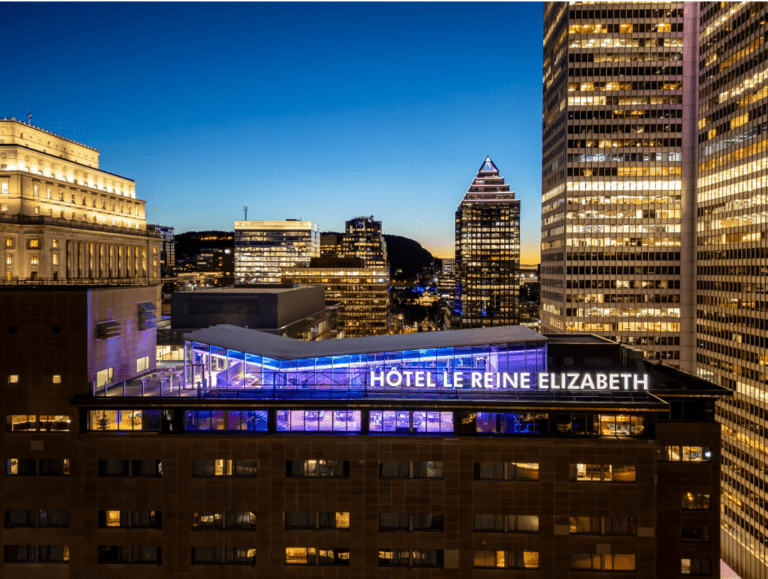
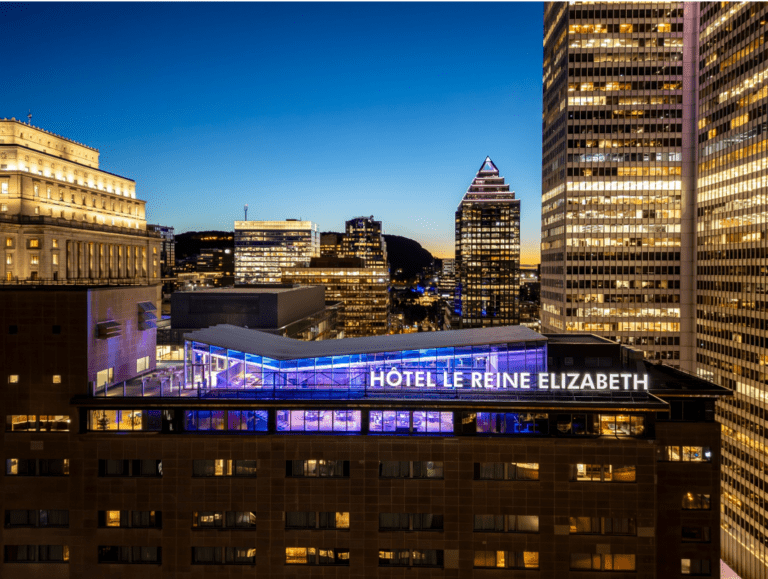
So it was that a mid-April 60th birthday saw one of us (Adam) visiting Montreal. As a patriotic Canadian, there’s no better brand to select than Fairmont whose hotels literally unified our great nation starting in the late 1880s (known back then under Canadian Pacific Railway) and have played ambassador to numerous business guests, families, social groups, dignitaries and VIPs ever since. When visiting Montreal, the choice is clear: Fairmont The Queen Elizabeth.
With 950 rooms and suites, there’s plenty happening. Multiple restaurants, spa, pool, gym, groups, club floor, the city’s central railway station right below – it’s an orchestra of operations. Plenty to celebrate, but one feature in particular deserves a closer look: Marché Artisans (French for ‘artisanal market’).
Features the Artisanal Market
Advertisements

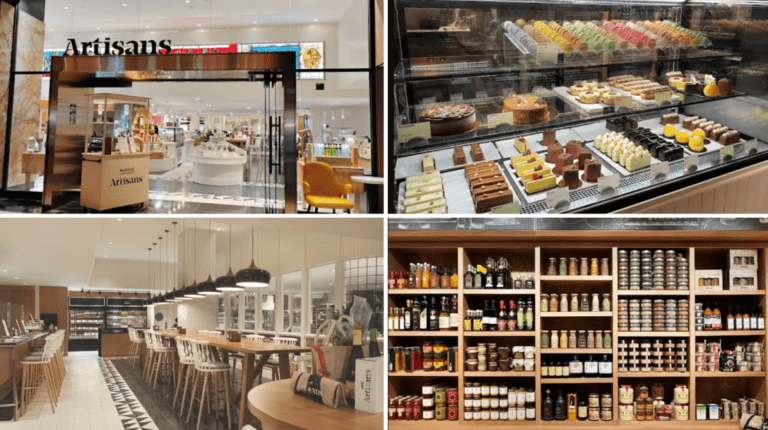
In basic terms, it’s a brightly lit and decorative food hall adjacent to the check-in area – hardly out of place for London, Hong Kong or New York. But that description undersells what’s really happening. This is a thoughtfully executed, multi-use space that blends fast casual dining, retail and local storytelling into a single, highly functional amenity. In a large urban hotel, that kind of versatility is not just nice to have but operationally strategic to reinforce the experience for nearly every guest segment.
First, the food offering hits the sweet spot between quality and convenience. Guests can access genuinely good fast casual options without committing to a full-service restaurant. That matters for today’s traveler, who is often time-constrained and looking for flexibility rather than formality. Whether it’s a quick breakfast, a light lunch between meetings or a casual dinner, Marché accommodates multiple use cases throughout the day.
Remember that the same guest who has time for a three-hour fine dining affair one evening may be rushing to make their early afternoon flight home the next day. Hotels need to be true hosts by understanding this contextual complexity and solving for it with options that meet both instances.
Building on this, the hours and accessibility make Marché universally relevant. This isn’t a space reserved for a specific segment. It works equally well for hotel guests, business travelers, locals and even passersby. That broad appeal drives consistent foot traffic, which in turn reinforces the energy of the space.
Third, and perhaps most importantly, Marché delivers a strong sense of place. The market leans heavily into Québec’s culinary identity, showcasing regional products in a way that feels authentic rather than performative. This is not a generic grab-and-go setup like what you find in other big box hotels. It’s a curated environment that passionately reflects the destination.
The physical layout plays a role here as well. The staggered design creates movement and discovery, encouraging guests to explore rather than simply transact. Centrally clustered seating fosters a communal atmosphere, particularly during peak periods like brunch. It feels alive, and that energy is contagious – a vibe, if you will.
Building a Taste of Place
Then there’s the retail component which is where the concept quietly overdelivers. A dedicated section of packaged goods highlights local artisans. Think maple syrups across different color grades, monofloral honeys, small-batch hot sauces, fine chocolates, jams using rare fruit and plenty more. It’s the kind of assortment that appeals not just to foodies but to anyone looking for a meaningful souvenir. Call it: ‘taste of place’.
Far more than just a buzz term, at Marché Artisans 90% of the products are locally sourced! More than only celebrating Montreal and Quebec’s rich culture, the market also sells products certified by Indigenous Tourism, with 25% of those proceeds donated to the Native Women’s Shelter of Montreal.
This then solves a very real problem that often goes unsaid when building a gift boutique. Many travelers visit cities for work or events and never find the time to shop. Traditional hotel gift shops rarely fill that gap in a compelling way. They tend to be transactional, offering convenience for basic necessities (“Oh, I forgot my toothbrush!”) but little inspiration. Marché flips that model. It transforms retail from a checkbox amenity into an experiential extension of the stay, therein reinforcing overall customer satisfaction.
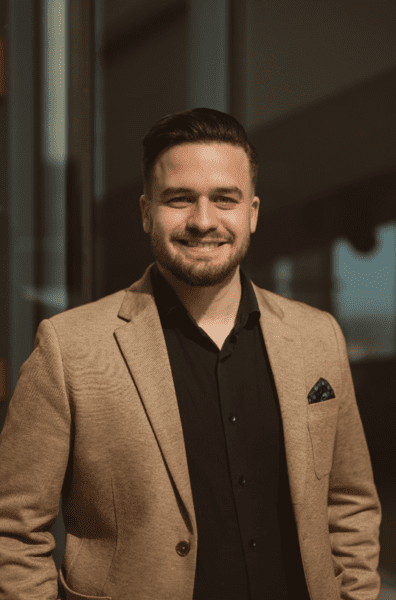
“It has now been over four years since I’ve had the privilege of serving as Director of Marché Artisans,” added Anthony Uhoda, Director of Rosélys and Marché Artisans. “It is a truly unique destination; a vibrant space where local craftsmanship, high-quality products and culinary creativity all come together under one roof. What makes it so special is not only the diversity of its offerings, but also the experience it creates: a place where guests can discover, taste and connect with passionate artisans in an authentic and welcoming atmosphere.”
On paper, it’s a huge revenue driver. Guests who might otherwise leave the property to find food or gifts are instead spending onsite. But unlike forced capture strategies, this feels organic. The storytelling is clear, so the spend follows naturally.
From an operational perspective, the density and turnover are worth noting. Save for the late afternoon on a Sunday, at nearly every other time the space was buzzing. That level of utilization speaks to both demand and design. It’s a reminder that well-conceived public spaces can carry a significant share of a hotel’s experiential load.
Stepping back, Marché Artisans points to a broader shift in how hotels should think about ground-floor programming. The traditional model – lobby, front desk, maybe a bar and a restaurant – is evolving. Guests want flexibility, locality and spaces that adapt to different needs throughout the day. Concepts like this meet those expectations while also strengthening brand identity.
It’s also worth noting how this integrates with the rest of the property. The suite provided on the Fairmont Gold floor was excellent, and the lounge upstairs delivered the kind of elevated, “third place” experience that frequent travelers value. But what Marché does is complement those premium offerings with something more democratic. It’s accessible, dynamic, and constantly changing, which keeps the overall experience from feeling static.
Food halls and market concepts within hotels are not new, but execution varies widely. When done well as the team has done at Fairmont The Queen Elizabeth, they can anchor the guest experience, drive incremental revenue, and reinforce a sense of place – or taste of place – in a way that traditional outlets often struggle to achieve.
Adam and Larry Mogelonsky
2026-05-22 01:37:00