
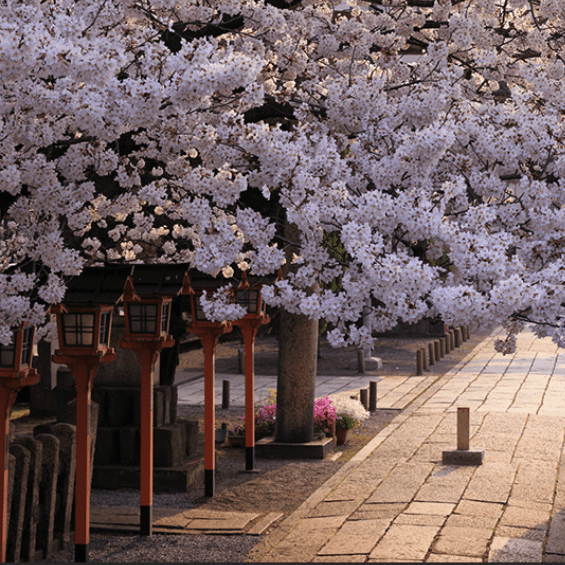
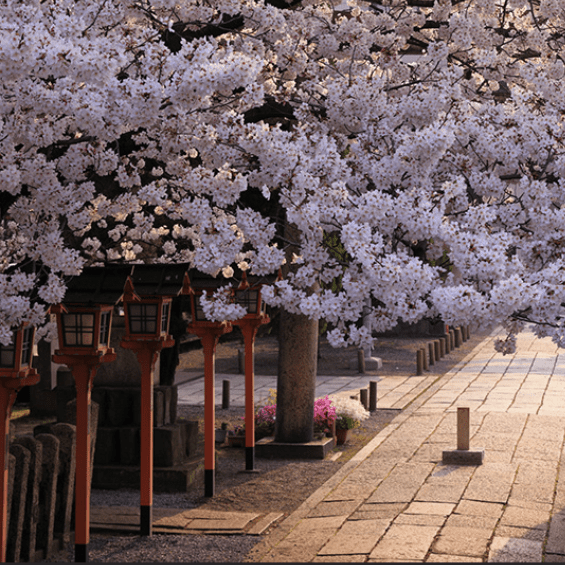
 Cherry blossom season remains one of the most aspirational experiences in global travel, firmly positioned on the bucket list of discerning clients worldwide. Yet for the travel trade, sakura presents a unique operational paradox: one of the most in-demand seasonal products, but also one of the least predictable.
With first blooms in Kyoto expected from late March and peak flowering projected around 31 March–1 April 2026, the destination is once again preparing for its most anticipated and logistically complex period.
A Moving Target: The Challenge of Predictability
Cherry blossom timing shifts annually in response to weather patterns, progressing gradually from south to north and varying even within the same city. This creates a disconnect between client expectations often fixed months in advance and the fluid reality of bloom cycles.
Advertisements

As Michael Rodriguez, General Manager of Kabuto DMC, explains:
“Cherry blossom season is one of the most magical times to visit Japan, but also one of the most challenging to plan. Bloom dates can shift depending on the weather, while most travellers need to finalise their plans months in advance.”
For travel advisors, this reinforces the importance of positioning sakura not as a fixed-date event, but as a seasonal journey shaped by nature.
Designing for Flexibility: A Strategic Approach
Rather than building itineraries around a single “peak bloom” moment, DMCs are increasingly adopting a more flexible framework.
“What we usually recommend to our clients is approaching sakura with a sense of openness rather than focusing on one single ‘perfect’ moment. The blossoms move gradually across the country, so we design itineraries with several opportunities to experience them, rather than relying on just one place or date,” Rodriguez adds.
Key planning strategies for the travel trade include:
- Incorporating multiple viewing opportunities across different days and locations
- Leveraging real-time bloom forecasts from official sources such as the Kyoto City Tourism Association
- Allowing for last-minute adjustments within itineraries where possible In parallel, Kyoto is introducing new tools to support visitor flow, including a congestion-monitoring app (launching 20 March) from the Kyoto City Transportation Bureau, enabling travellers to track crowd levels across the city.
Beyond the Icons: Rethinking the Sakura Experience
While globally recognised locations such as the Philosopher’s Path and Maruyama Park remain essential highlights, peak congestion continues to challenge the visitor experience. To address this, trade partners are encouraged to curate more layered and lower-density experiences, including:
- Early morning access to temple gardens
- Hanami in residential neighbourhoods
- Walks along quieter riverside settings
- Excursions to rural temples and surrounding mountain areas
- Combining sakura viewing with cultural programming, such as tea ceremonies
Within Kyoto, alternative locations such as Daigo-ji Temple, the gardens of Nanzen-ji, and quieter stretches along the Kamo River offer a more serene and immersive perspective on the season.
Responsible Tourism as a Priority
As visitor numbers continue to grow, Kyoto is reinforcing its commitment to responsible tourism. Travel advisors play a key role in communicating essential guidelines, including:
- Respect for local communities
- Awareness of crowd density
- Proper waste disposal
- Mindful behaviour in public and sacred spaces
These principles are increasingly central to maintaining the integrity of the sakura experience.
Extending the Narrative: Beyond Cherry Blossom
Sakura may be the headline, but it is not the entire story of spring in Japan.
“Spring in Japan is not only about sakura. Ume blossoms bloom slightly earlier and hold a very special place in Japanese culture. They’re beautifully fragrant and often far less crowded,” Rodriguez notes.
Incorporating plum blossom (ume) experiences allows advisors to:
- Extend travel windows
- Reduce pressure on peak dates
- Offer a more nuanced cultural perspective
A Shift in Mindset for 2026
Ultimately, successful cherry blossom programmes are no longer defined by perfect timing, but by expectation management, flexibility, and storytelling. Makoto Mizutani, WBC Director of Sales, adds: “Kyoto during sakura season is an incredibly special time, but it requires a different mindset when planning. Rather than focusing solely on peak bloom dates, we encourage travel advisors to think about the overall experience, from the atmosphere in the city to the cultural moments that define spring in Japan. With the right approach, even small shifts in timing can still result in a truly memorable and authentic journey.”
For 2026, Kyoto remains one of the most poetic spring destinations in the world. Increasingly, however, the role of the travel trade is to guide clients beyond the obvious, balancing iconic moments with hidden discoveries, and precision planning with the acceptance of nature’s unpredictability.
Guest Contributor
2026-04-02 01:14:00