
:max_bytes(150000):strip_icc():format(jpeg)/FW-Drink-Visionaries_3-2-Jill-and-Steve-Mathiason-02-86c3a461ec6e4813a713cf649922894b.jpg)
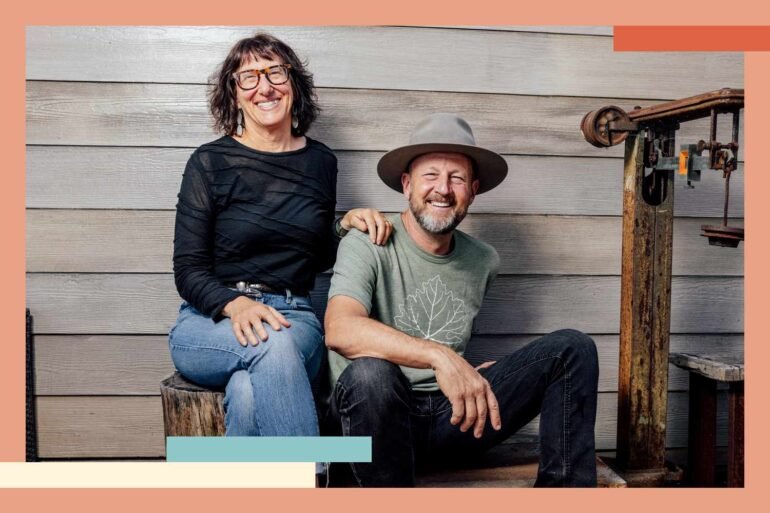
Steve and Jill Matthiasson, partners in life and in Napa Valley’s Matthiasson Wines, were among the founding figures of what might be called “alternative Napa.” In recent years, they’ve become among the most influential figures in the rapidly spreading regenerative organic viticulture movement.
Regenerative organic farming merges the principles of organics (no synthetic fertilizers or pesticides), biodynamics (viewing the farm as a whole ecosystem), and sustainability, while also requiring that farming practices improve, rather than deplete, soil health. Equal attention is also paid to carbon sequestration, animal welfare, and farmworker equity. “The name regenerative is new, but the concept has been around a long time,” says Jill. “The real question for us right now is, how do we change the industry overall toward it?”
One way is education. “I’ve given talks in Japan, Norway, England, all over,” says Steve. “Twenty years ago, no one cared what we did in the vineyard. That’s completely changed. Now, people ask about tillage, or about soil fungal networks.”
Mark Katzman
Realistically, any time an eco-friendly farming practice becomes popular, there are plenty of companies willing to co-opt it without really doing the work. “This is the world I’ve worked in for over 30 years, and the greenwashing has always been there,” says Jill. “When someone says, ‘We’re not organic, but we’re sustainable,’ then the question back should be, ‘OK, well, then can you tell me how you prevent topsoil being washed into the streams adjacent to your vineyard?’”
“Or are you still using glyphosate? Or these really bad-actor pesticides?” says Steve, continuing her thought, something the two often do in conversation.
Since their first vintage in 2003, the Matthiassons have done things differently. Steve, also a renowned viticulture consultant, oversees farming and winemaking; Jill handles the business. “People always ask how we work together,” she says. “I tell them, Steve’s the boss — and I’m the decision-maker.”
Over the years, the Matthiassons have made seemingly everything that Napa Valley is not known for — Schiopettino and Refosco, Chenin Blanc and Scheurebe and Pinot Meunier, Roman-era retsina, brandy-fortified Vermouth, and even amphora-aged Greco infused with a small amount of Trapani salt from the Jacobsen Salt Co. “I learned from them to put a little pinch of salt in my coffee to soften it, so I thought, why not wine?” Steve says.
But they’ve also recently leaned into classic Napa with their Phoenix Vineyard Cabernet Sauvignon. At $150, it lands squarely into top-shelf Napa Cabernet territory. “It’s really new for us, focusing on an estate Cabernet,” Jill says. “It’s much different than our focus on funky varieties.”
It’s a thrilling red, with layers of flavor and a deeply alluring aromatic complexity. Grown regeneratively in the vineyard behind their winery, the Phoenix Cab makes, Steve says, “the crucial point that every single one of these practices improves the quality of the wine. That’s how you get people converted. Everyone talks about how ‘wine is made in the vineyard,’ but with regenerative organic, you really are making the wine in the vineyard. And it matters.”
Food & Wine’s Drinks Visionaries program showcases the people who have changed how we drink, from bartenders and restaurant owners to distillers, winemakers, and beyond. Discover the rest of 2025’s honorees here.
Ray Isle
2025-11-06 13:57:00