
:max_bytes(150000):strip_icc():format(jpeg)/The-Best-Mezcals-to-Sip-That-You-Can-Actually-Afford-FT-DGTL1025-400-b9fae3bea3e8492d99f003565345d8a5.jpg)
Not long ago, mezcal’s reputation in the U.S. was that of tequila’s smoky cousin. But the traditional Mexican spirit has become a consumer and bartender favorite, appreciated for its distinctive qualities and diverse styles. Its popularity has spurred more producers to enter the market. There’s now a dizzying array of bottles stocked behind bars and on liquor store shelves.
“Over the past few years, I’ve seen the mezcal category mature in a really interesting way,” says Sebastian Cajas, beverage director at La Mezca, a new mezcalería in Austin. “At first, the energy was all about curiosity. People were excited simply because mezcal felt mysterious and different. Now, consumers are becoming much more educated and intentional.”
As drinkers ask about agave varieties and production methods, brands respond with greater transparency and sustainability initiatives. These are beneficial for the industry, but demand and attention also lead to higher prices.
“On one hand, it reflects a growing respect for the labor and craft behind traditional mezcal production, especially for the small ancestral family brands. On the other hand, it makes accessibility more difficult,” says Cajas. “I think the future of the category depends on finding the balance of honoring artisanal producers, while making sure mezcal doesn’t become so premium-ized that only a few can afford it.”
The expanded selection of quality mezcals makes the category more diverse and appealing to a variety of palates, says Adrian Gonzalez, general manager at The Plaza Hotel Pioneer Park in El Paso. Its bar, Ámbar, houses one of the largest and rarest agave spirits collections in North America. “Mezcal aficionados are becoming more knowledgeable about this spirit, and a more discerning demographic is interested in drinking high-end mezcals, which may account for higher price tags in line with the increase in demand.”
Perhaps the best news, according to Cajas, is that hype has evolved into long-term appreciation. Mezcal is now less of a trend and more of a category people are committed to exploring.
Fortunately, there are still good deals to be had. These are six great mezcals to sip, all priced under $75.
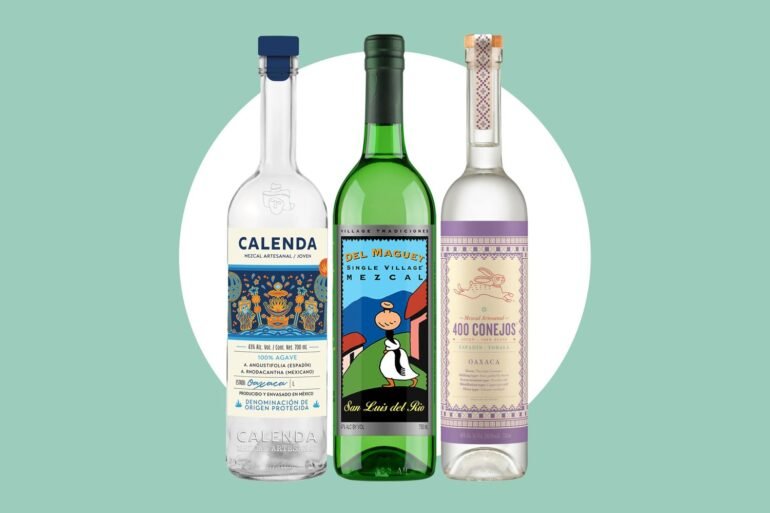
Calenda Mezcal ($30)
Food & Wine / Calenda Mezcal
This artisanal mezcal, made in Etla, Oaxaca, uses a blend of espadín and Mexicano agaves. “What I love about it is the balance,” says Cajas. He says that Calenda is “bright and approachable without losing its character.”
On the nose, he finds cooked agave notes and a touch of caramel, followed by light smoke, fresh herbs, and citrus.
“The palate is smooth and slightly sweet with a clean, earthy finish, which makes it versatile for cocktails, but also satisfying on its own,” he says. “It’s the kind of mezcal I can pour for industry friends or first-time drinkers, and everyone finds something to appreciate.”
Desolas Mezcal ($45)
Food & Wine / Desolas
Another Cajas favorite is Desolas Mezcal, which he says, “offers a really refreshing take on the category.” It’s made from 100% Salmiana agave in San Luis Potosí, a region often overlooked in comparison to better-known Oaxaca, and that difference is apparent.
“Instead of heavy smoke, Desolas leans herbaceous and bright, with notes of fresh aloe, green pepper, and wildflowers,” says Cajas. “The palate is silky and mineral-driven, almost gin-like in its elegance, which makes it incredibly fun to work with in cocktails or served chilled as an aperitif. It’s a mezcal that surprises people, proof that the category is far more diverse than most consumers realize. And my favorite part is that it’s women-owned.”
Del Maguey Single Village San Luis del Río ($75)
Food & Wine / Del Maguey Mezcal
Del Maguey is largely responsible for introducing mezcal to Americans. Its colorful labels dominated bars and store shelves during the early 2000s, and the brand is still a top seller. Del Maguey produces a variety of single-village mezcals, including San Luis del Río, crafted from espadín agave and one of the first bottles Del Maguey introduced to the U.S. Gonzalez notes that this fruity, smoky expression showcases classic mezcal characteristics and offers an enjoyable tasting experience for around $75.
Gracias a Dios Cuishe ($70)
Food & Wine / Gracias a Dios Mezcal
Gonzalez also recommends Gracias a Dios Cuishe, which has been in his personal Top 10 for years. The agave is matured for 13 years in the central valleys of Oaxaca, fermented in wood vats for a little over a week, and distilled in copper stills. Expect strong, ripe aromas of tropical fruits and moss, and flavors of cloves, white pepper, cinnamon, and apples.
Doce Mezcal ($55)
Food & Wine / Doce Mezcal
Doce Mezcal was founded by women and is produced by a third-generation, family-owned distillery in the hills of Oaxaca. It gets the approval of Chris Higgins-Johnson, director of operations at The Archer, a restaurant and cocktail bar in Charleston, South Carolina.
Doce Mezcal’s espadín begins with an ancient agave harvesting technique called “capón,” he says, where the plant’s quiote, or flowering stalk, is cut before it blooms. The agave is left in the ground.
“This changes where energy is distributed in the plant, which will result in a richer, sweeter, nuanced final product,” says Higgins-Johnson.
Doce Mezcal is a perfect representation of capón, resulting in a very approachable, but very refined espadín. The surprising first taste of Doce is savory, then slightly sweet, but quickly finishes in the very familiar, smoky, charred pepper taste.
400 Conejos Tobalá ($45)
Food & Wine / 400 Conejos Mezcal
400 Conejos makes a range of expressions, and its Joven is a staple at bars. Luis Tovar Zarate, cocktail chemist at Estancia La Jolla Hotel & Spa in San Diego, recommends the Tobalá “for someone interested in a traditional mezcal with a kick.” It features a blend of tobalá and espadín agaves from Oaxaca, and Zarate says that it offers “a high-quality tasting experience with earthy and fruity notes.”
Kevin Gray
2025-10-17 14:24:00