
“Chronometer” is one term that frequently comes up in watchmaking. We see it stamped on dials, highlighted in marketing materials, and often used as a synonym for “high quality.” But how much does chronometer certification actually matter to us as collectors? In this episode of Fratello Talks, Nacho is joined by Daan and RJ to unpack the role of this certification in modern watch collecting. Is it something we actively look for? Does it influence buying decisions? Or is it one of those things that sounds more important than it feels in daily wear? Before getting into it, let’s take a look at what’s on the wrist.
Wrist check
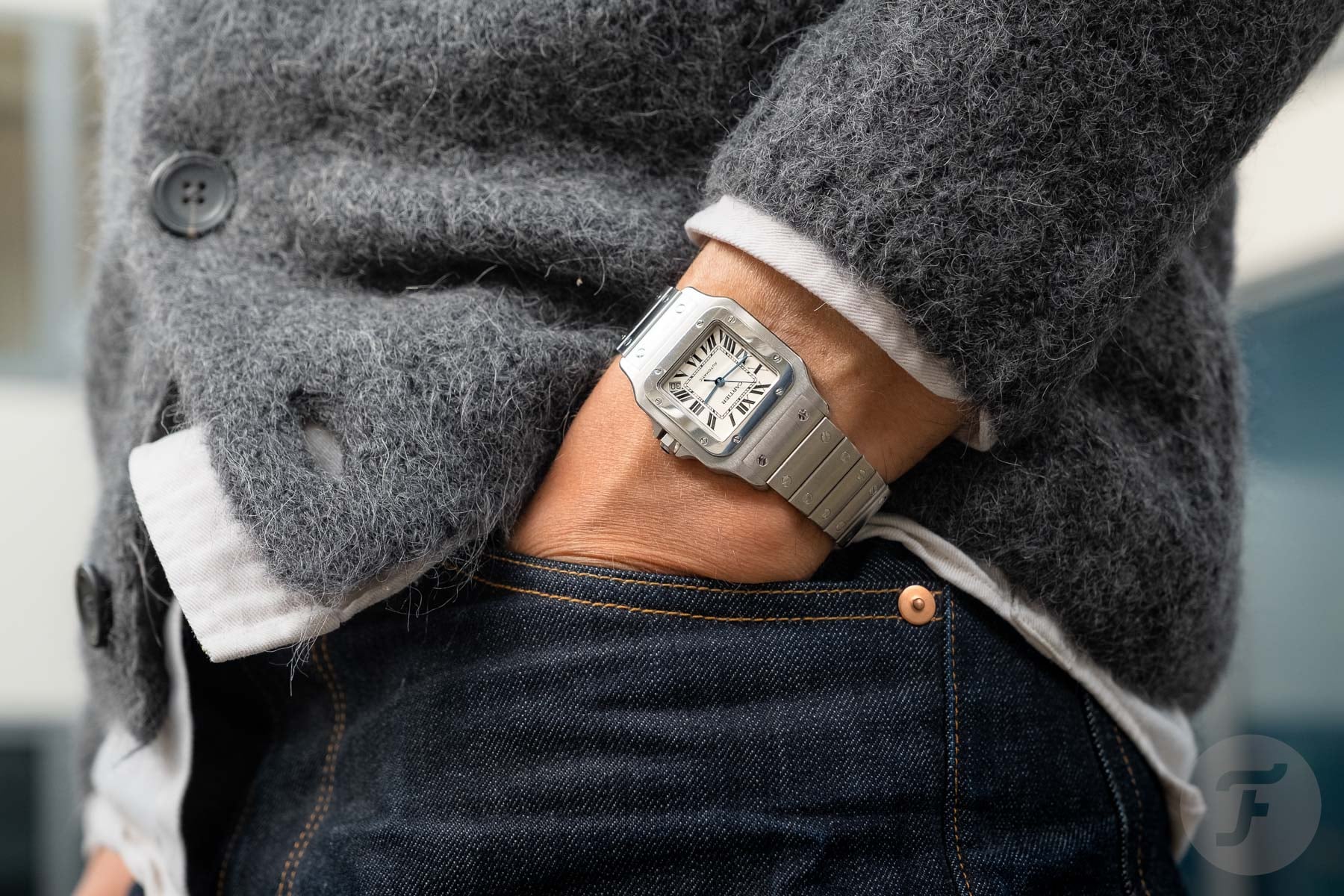
Daan is wearing his Cartier Santos Galbée XL, a mid-2000s take on one of the most recognizable watch designs, with its square case and distinctive bracelet. Powered by a relatively simple Swiss ETA movement, this one is not officially a chronometer, but to Daan, that doesn’t make it any less appealing.
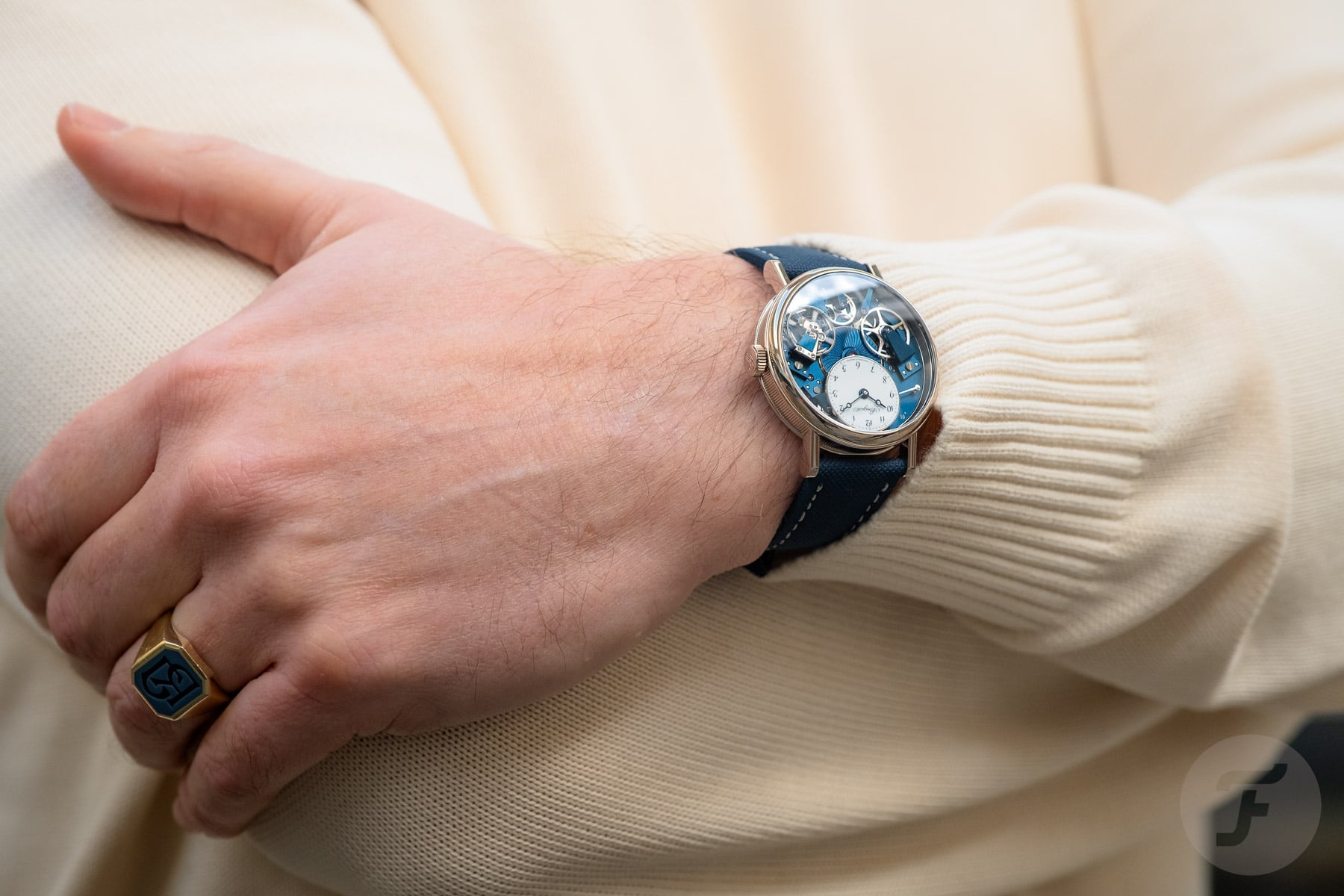
RJ has opted for a Breguet Tradition Seconde Rétrograde 7037 in white gold with a blue movement, an intricate and visually striking piece that showcases its mechanics front and center. Despite the indisputable charm and craftsmanship of a watch like this, the movement is not a certified chronometer. But does that detract from it at all?
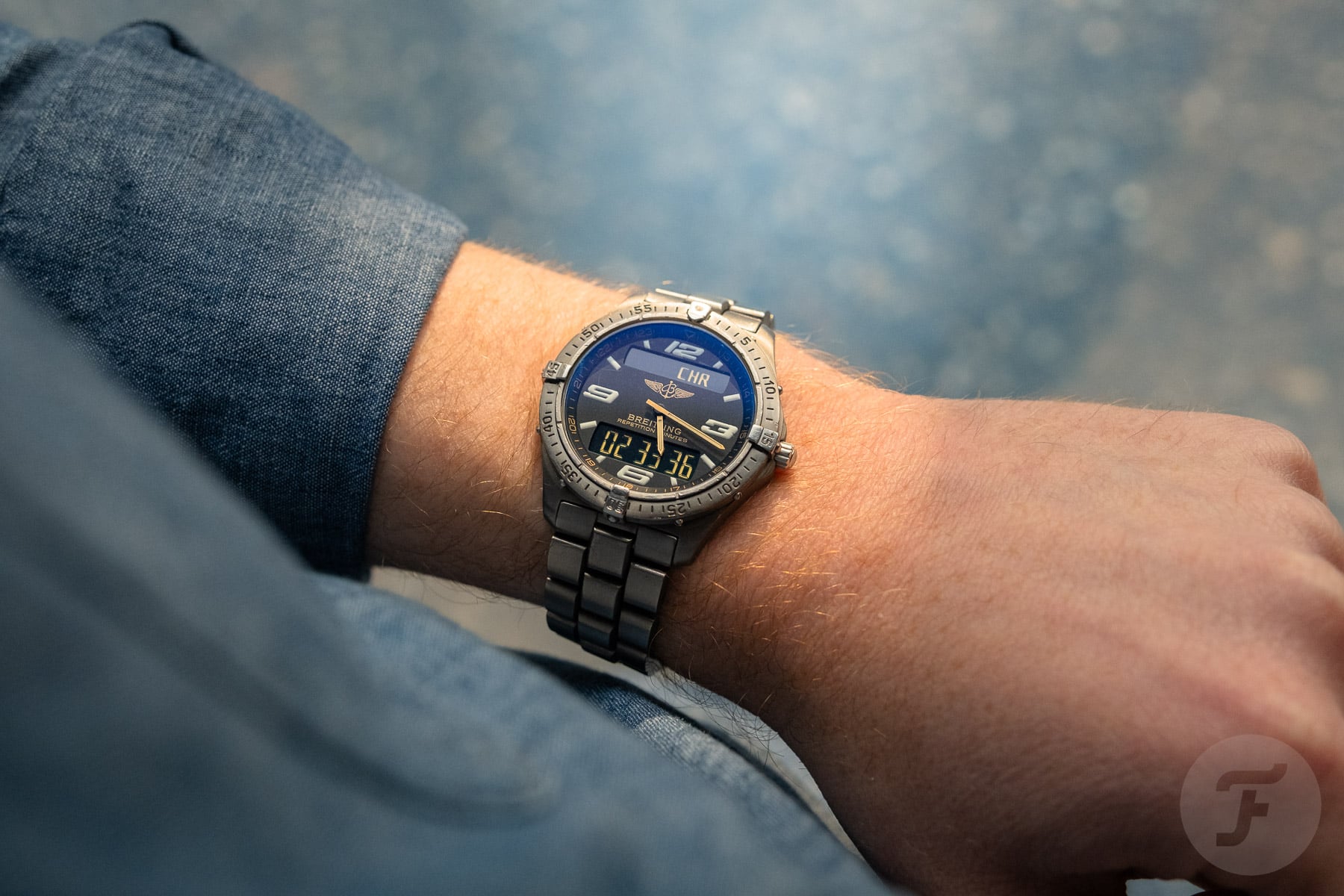
Nacho is wearing his Breitling Aerospace F65362, a lightweight, highly functional ana-digi timepiece with a strong tool-watch character. Unlike the previous two watches, this one does feature COSC chronometer certification. Obviously, it’s a different standard than that set for mechanical watches, but still, if precision is your thing, maybe a quartz chronometer is the way to go!

Fratello Talks: How Much Does Chronometer Certification Matter?
In this episode, Nacho, Daan, and RJ explore where they land on that spectrum and whether chronometer certification still carries the weight it once did. The discussion begins with the basics. In its most traditional sense, a chronometer-certified watch has passed a series of precision tests, most commonly those conducted by COSC (Contrôle Officiel Suisse des Chronomètres). These tests measure accuracy across different positions and temperatures, ensuring the movement performs within a specific range. One of the more interesting points raised is the gap between perception and reality. Chronometer certification has strong marketing value. It’s easy to communicate and easy for buyers to understand. In practice, though, most modern watches, certified or not, are accurate enough for everyday use.
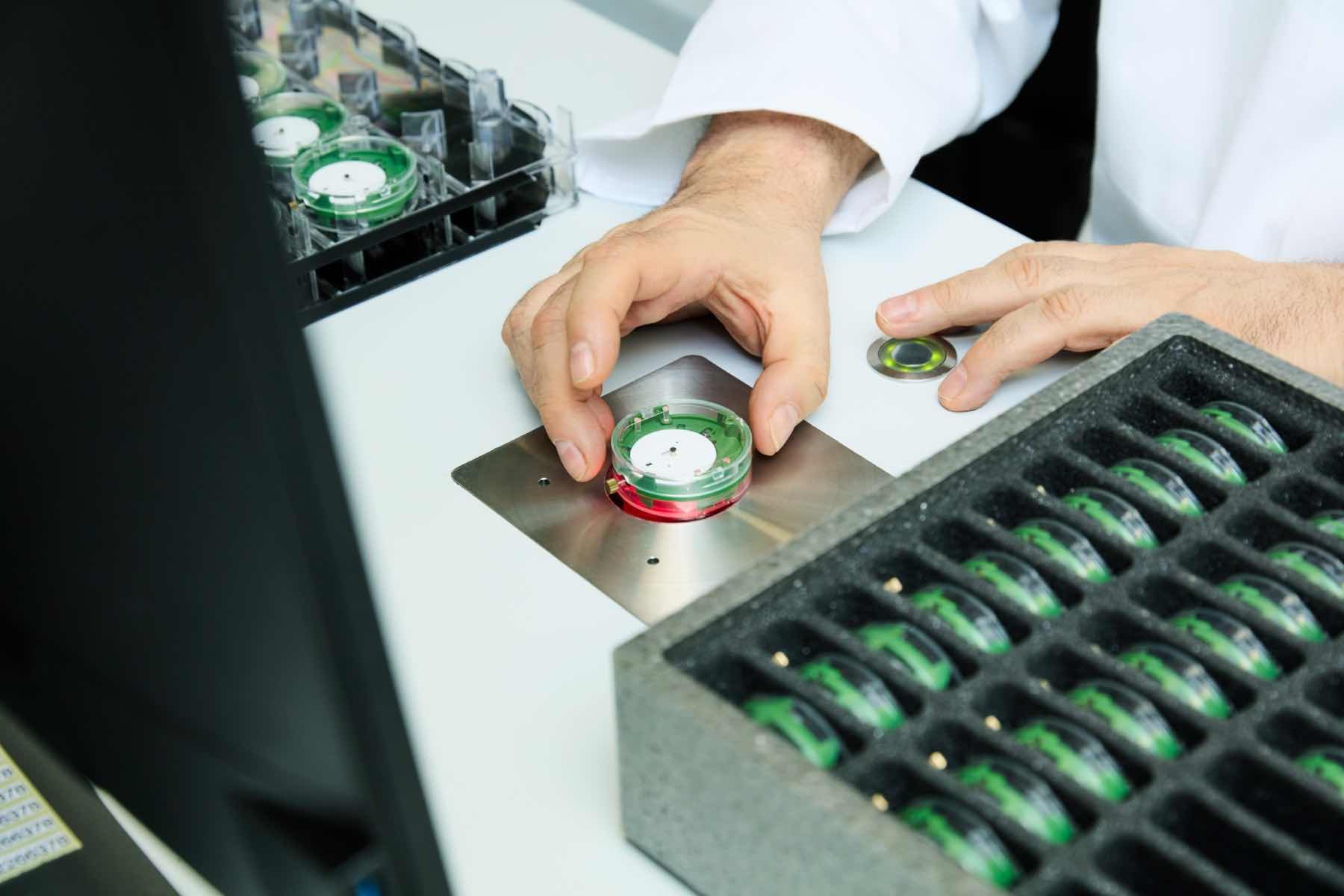
That said, there are situations in which chronometer certification becomes more relevant. For certain buyers, especially those new to mechanical watches, it can provide reassurance. It’s a clear, standardized indication that the watch meets a recognized level of performance.
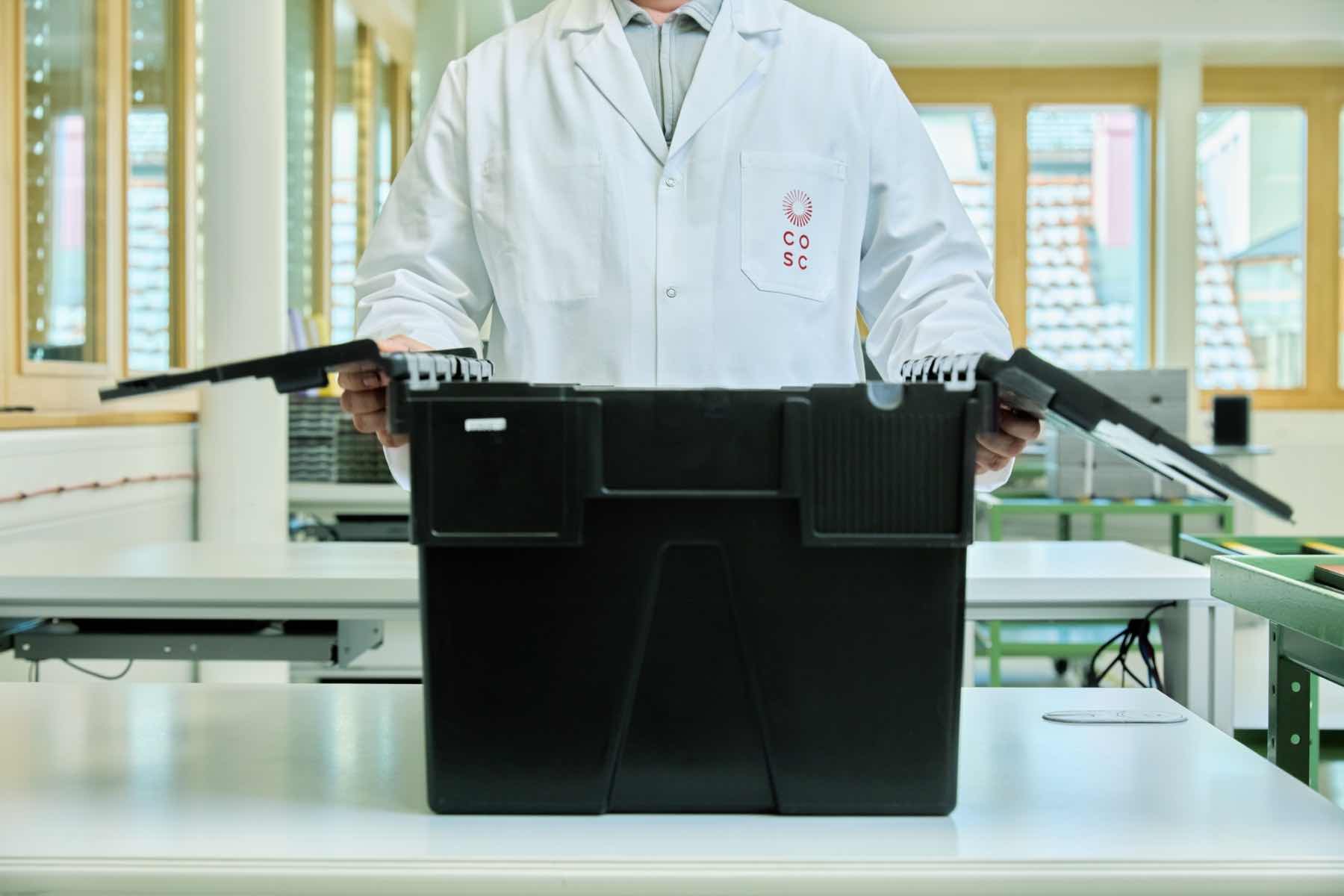
So, how much does chronometer certification matter? For most of us, it’s appreciated but not essential. Though it can be a useful benchmark, a nice detail, and occasionally a deciding factor, it’s rarely the reason we fall in love with a watch. As with many aspects of collecting, it comes down to priorities. Some value precision above all else. Others focus on design, history, or emotional connection.
Now we’d like to hear from you. Do you actively look for chronometer-certified watches, or is it something you rarely consider? Let us know in the comments below.
Fratello
2026-04-09 04:00:00