
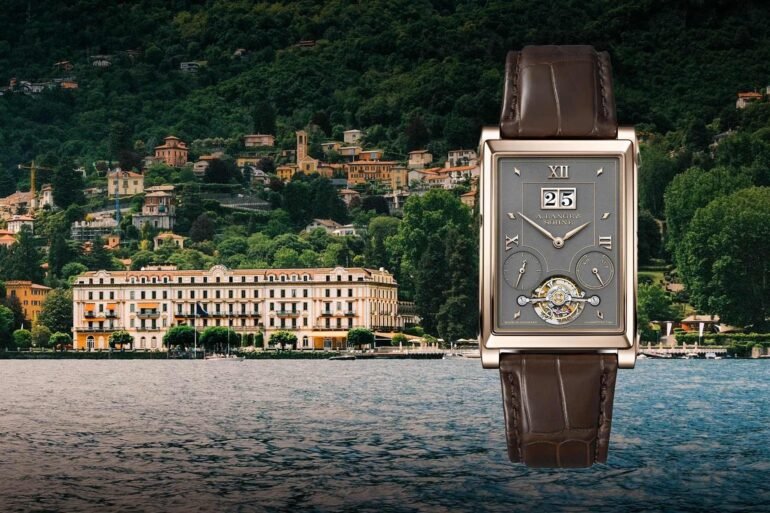
When we write about watches at Fratello, we typically have three levels of engagement with the product. First, we have our basic introduction articles, for which we base our writing solely on press materials, keeping it brief and factual. Second, we have our hands-on reviews, which allow us to spend time with the watch before writing a more subjective, personal article. Lastly, there is the experience of the watch in its natural surroundings — taking a dive watch on a diving holiday, to give an obvious example. So, if you had to pick a natural habitat for the latest A. Lange & Söhne Cabaret Tourbillon Honeygold, what would it be?
A. Lange & Söhne took a stab at that very question and landed at the Concorso d’Eleganza Villa d’Este. This is where the Saxon house decided to release its latest creation. That’s a fairly ballsy move, since this is probably one of the most picturesque backdrops one can find. Would that not overshadow the watch? Can it stand its ground among classic Ferraris, Lamborghinis, and many more on the equally stunning shores of Lake Como? Well, good sport as I am, I boarded a flight to Milano Linate to find out.
Concorso d’Eleganza Villa d’Este
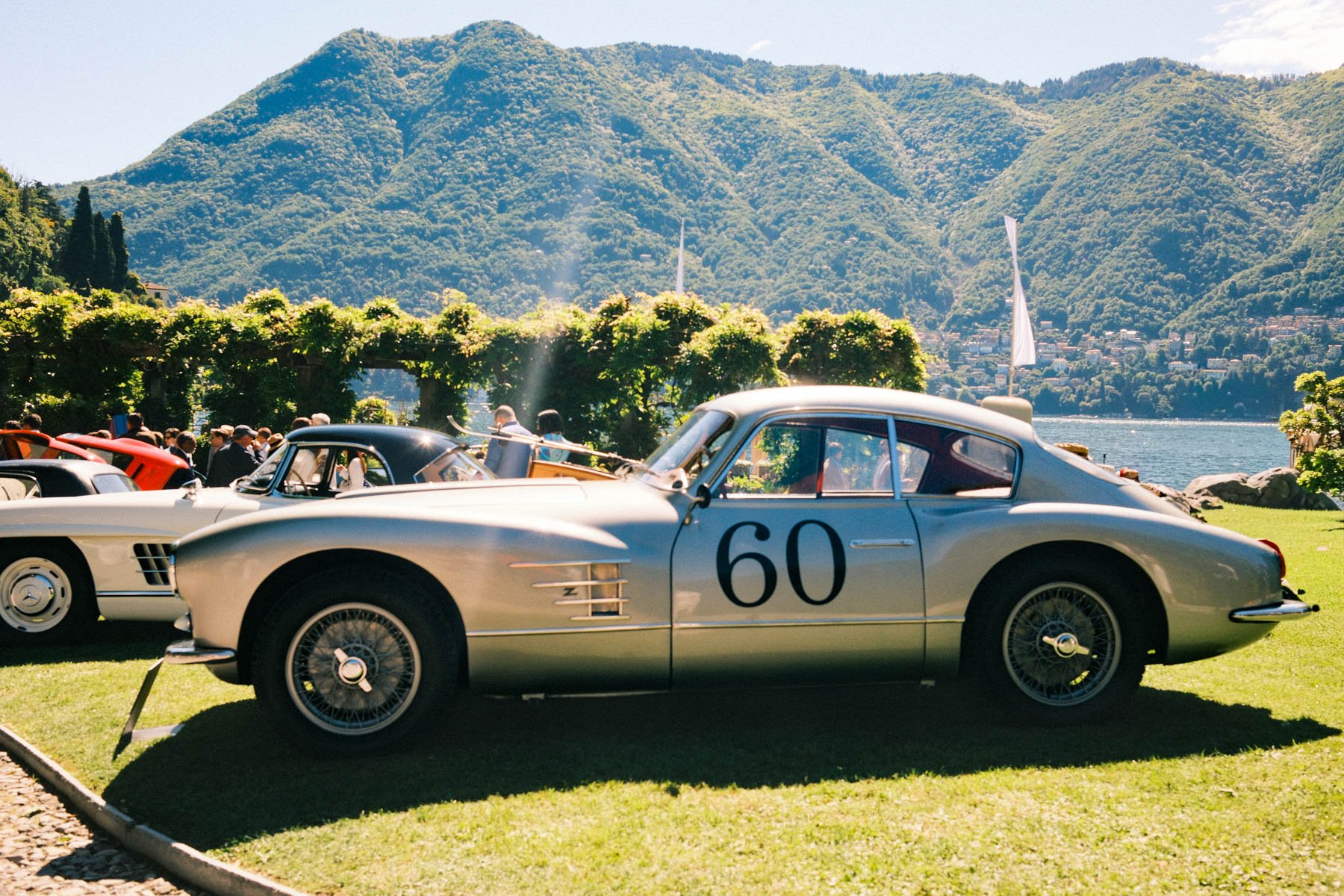
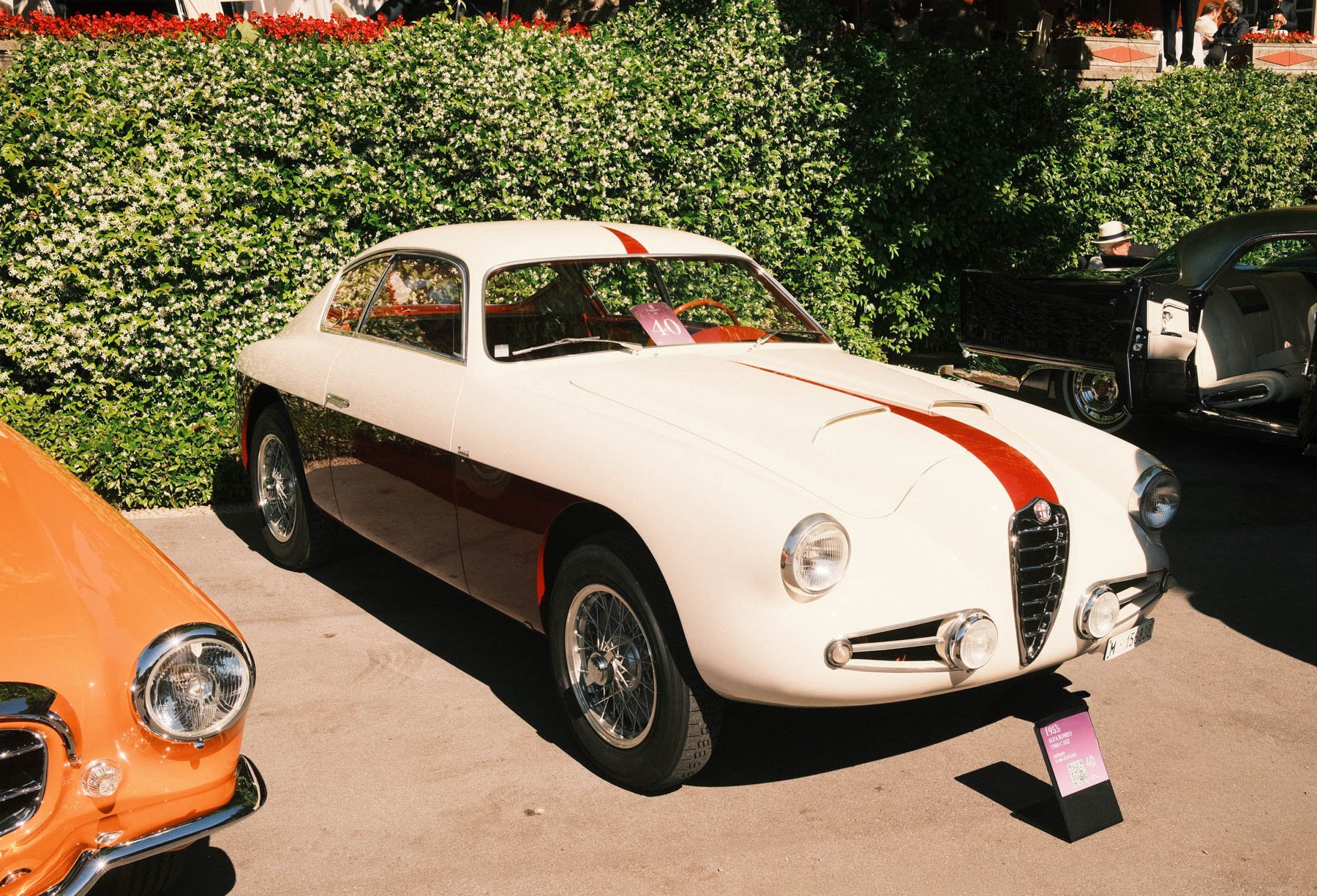
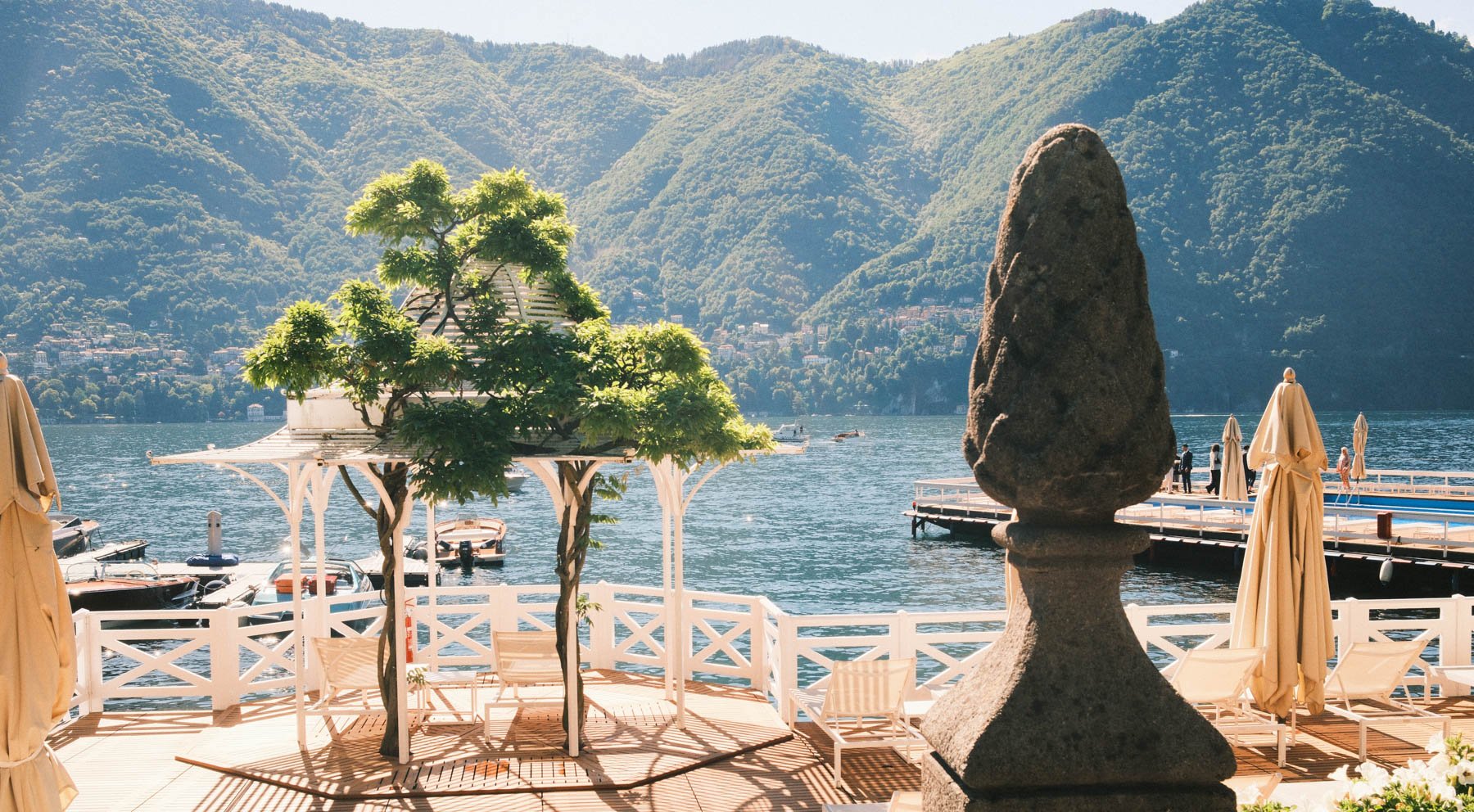
The Concorso d’Eleganza Villa d’Este is an annual highlight on the calendar of automotive enthusiasts around the world. Established in 1929, the concorso sees a small selection (52 this year) of the most exclusive classic cars gather at the Villa d’Este on Lake Como in northern Italy.
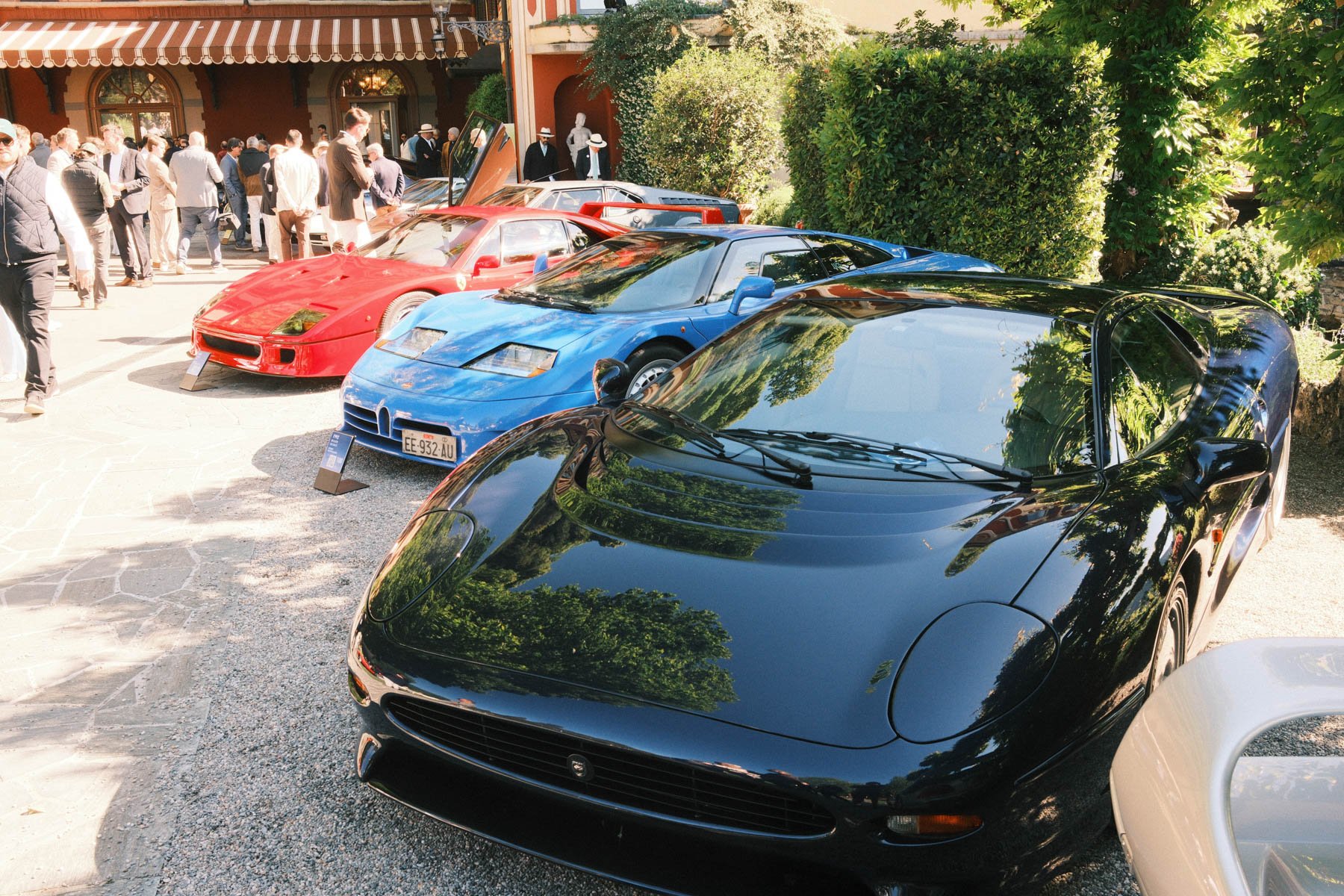
Over the weekend, the cars make their way across the grounds in a noisy, costly, and visually stunning parade before a jury selects winners across eight categories (or nine if you count concept cars). Since Villa d’Este sits on a lush but compact plot of Lake Como real estate, the parade moves to the neighboring Villa d’Erba for a second showing to the broader public. Should you ever decide to buy public tickets to the event, this is where you will end up. The Villa d’Este side is reserved for invitees and, as a result, feels like it is from another time. Most events nowadays are veritable anthills, drenched in hype and swarming with people. There is none of that here. There’s just enough of a crowd for it to feel lively, yet it’s just quiet enough to feel incredibly exclusive.
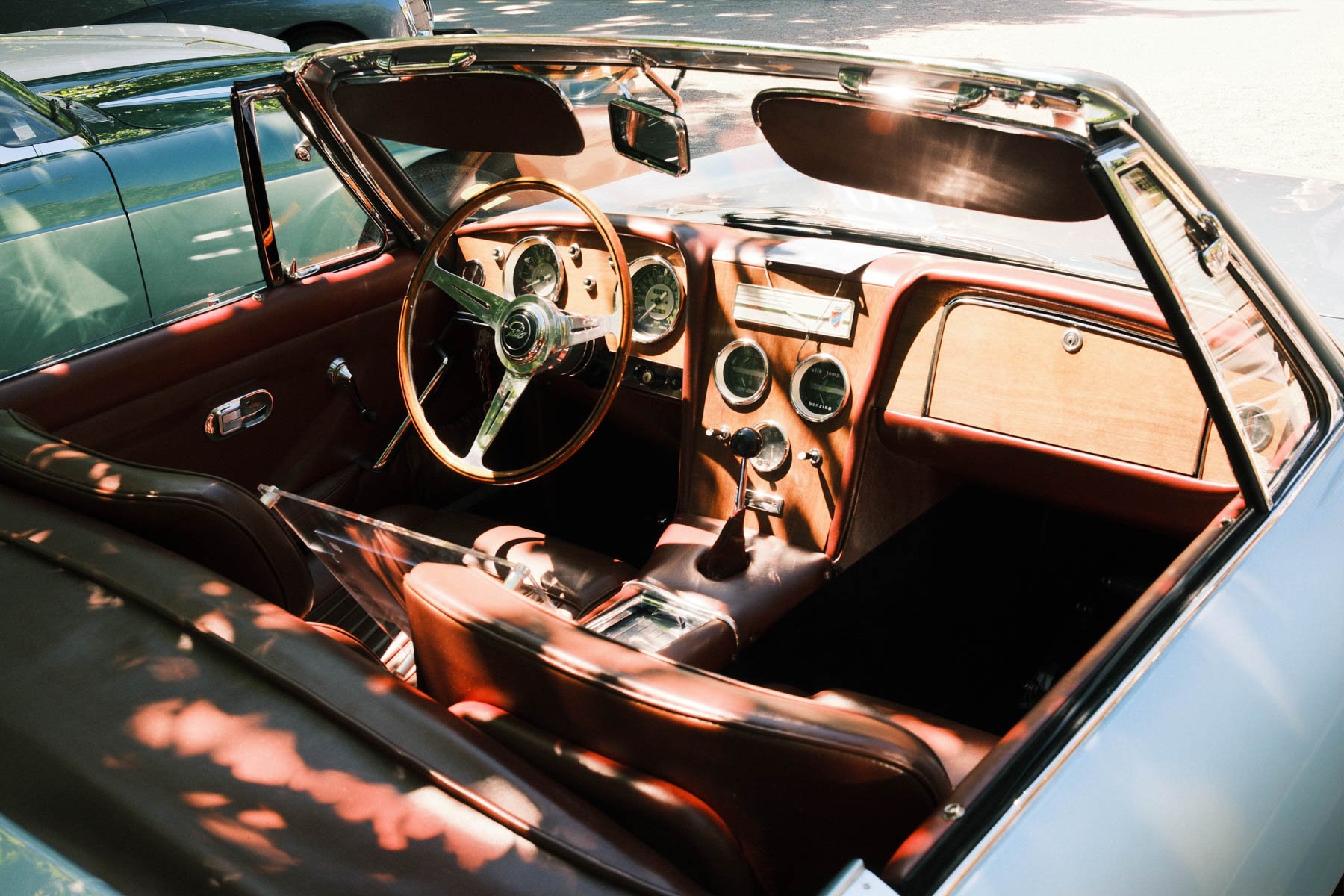
Among the contestants, we found unrestored classics from the early 20th century, racing cars from the ’60s, and even much younger hypercars from the early 21st century. Uniquely, all of these exotic cars were operational and open to up-close inspection by visitors. These cars aren’t simply cherished; they’re still driven and used as intended. My favorite, by some margin, was a dark blue 1962 Ferrari 250 GTO with an impressive racing pedigree. It didn’t win, but I doubt that this matters much to its lucky owner.
A. Lange & Söhne and the Concorso d’Eleganza
The 2026 edition of the Concorso d’Eleganza Villa d’Este marks the 15th anniversary of A. Lange & Söhne’s involvement. As a partner of the event, Lange has a booth at the concorso, showcasing a collection of watches. One of the house’s artisans was also present, showcasing hand-engraving of balance cocks onsite.


Crucially, the Saxon house also produces a one-of-one wristwatch for the Best in Show winner. This car, picked as the overall winner from the eight class-winning cars, is announced at the closing of the concorso on Sunday night, just before fireworks on the lake. This year, the 1937 BMW 328 “Bügelfalte” took the crown. Its owner received an A. Lange & Söhne 1815 Chronograph with a special salmon dial and contrasting brown sub-dials. The watch features a half-hunter case back with a special engraving.
The concorso stands as one of A. Lange & Söhne’s rare partnerships. You may have noticed that the brand has no ambassadors, for instance. A. Lange & Söhne CEO Wilhelm Schmid explained this approach to me at the event, sharing an insight into the house’s branding philosophy. The Concorso d’Eleganza provides almost perfect synergy, with its focus on craft, design, and objects made to stand the test of time. Naturally, the two passions overlap in their audiences as well. My impression that the concorso evokes pre-hype times resonates with A. Lange & Söhne. What doesn’t go in vogue cannot go out of vogue either.
The A. Lange & Söhne Cabaret Tourbillon Honeygold in context
All the above formed the aspirational backdrop for a new watch release. The A. Lange & Söhne Cabaret Tourbillon Honeygold was introduced at the Concorso d’Eleganza on Saturday. While certainly not the most famous model from Glashütte’s watchmakers, the Cabaret dates back to 1997. It stands in a tradition of shaped Lange watches, which began with the 1994 Arkade. The Cabaret has seen several versions, all powered by fully in-house, shaped movements. At the moment, this latest A. Lange & Söhne Cabaret Tourbillon Honeygold stands alone as the only Cabaret in the current collection.
The Cabaret lineup carries horological significance thanks to the 2008 Cabaret Tourbillon. This was the first-ever tourbillon with a stop-seconds mechanism. For the first time, a tourbillon could be set with to-the-second precision. Admittedly, I was unaware of this milestone, but it is a significant one if you consider that a tourbillon aims to increase real-life accuracy.
A closer look at the A. Lange & Söhne Cabaret Tourbillon Honeygold
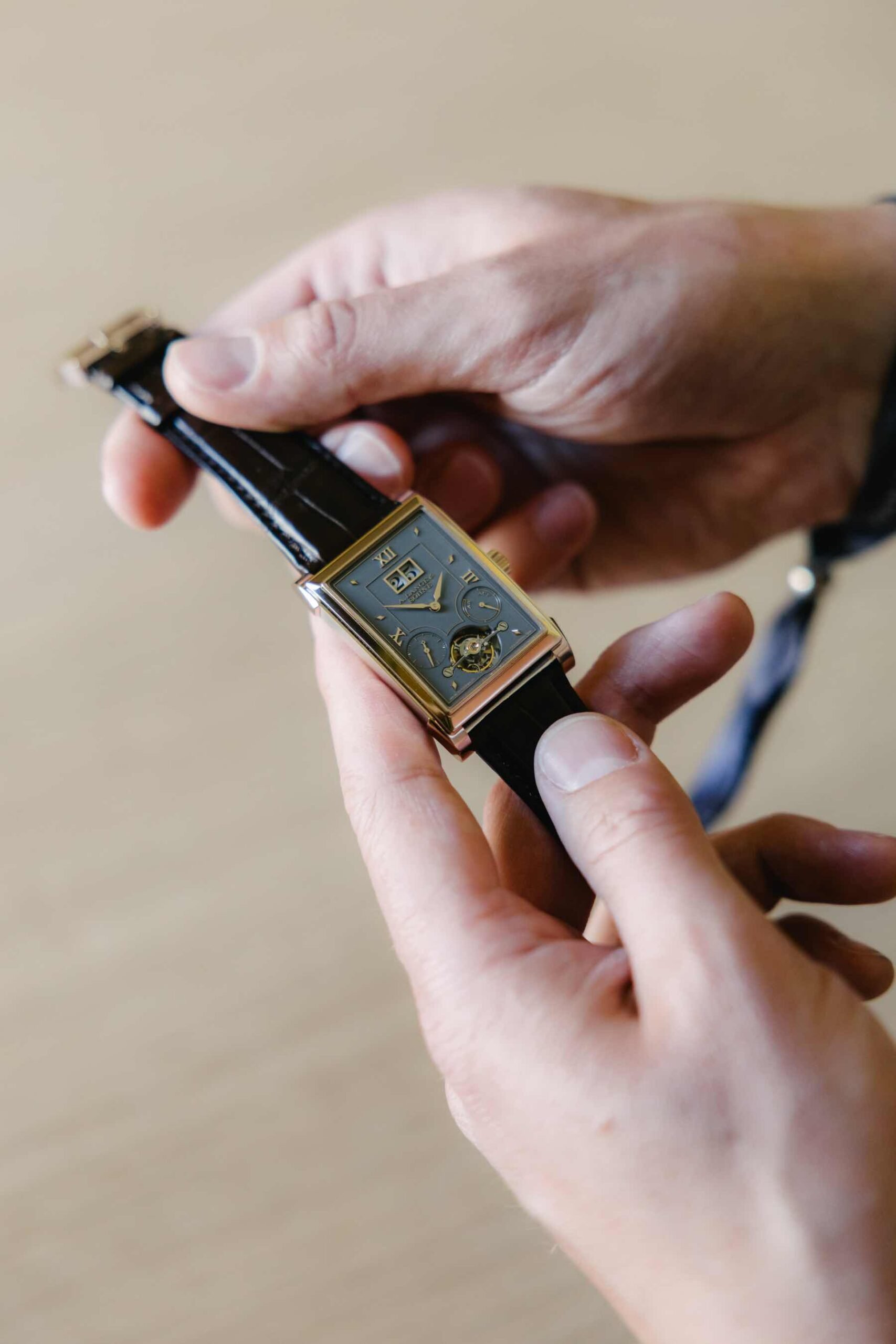
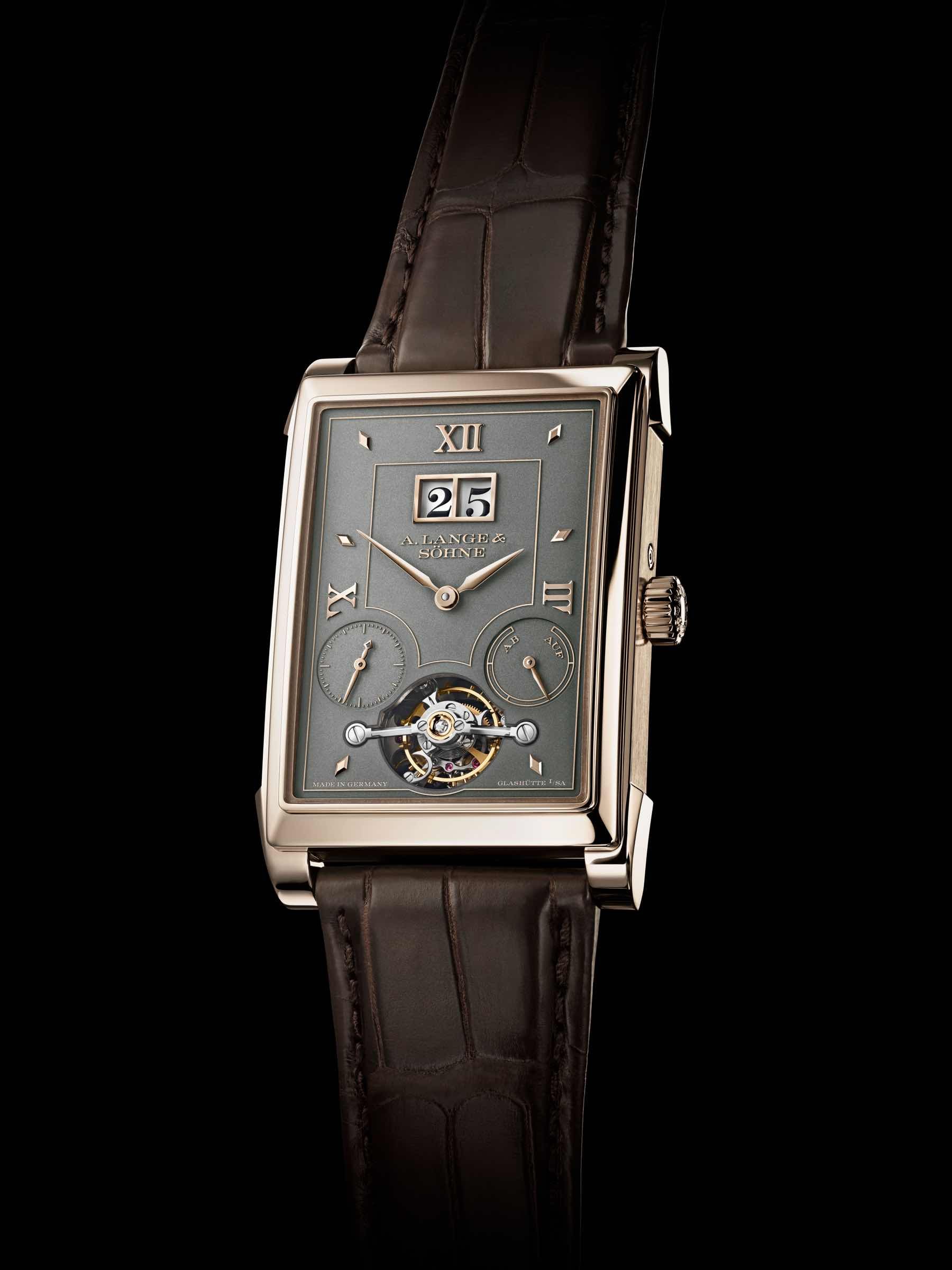
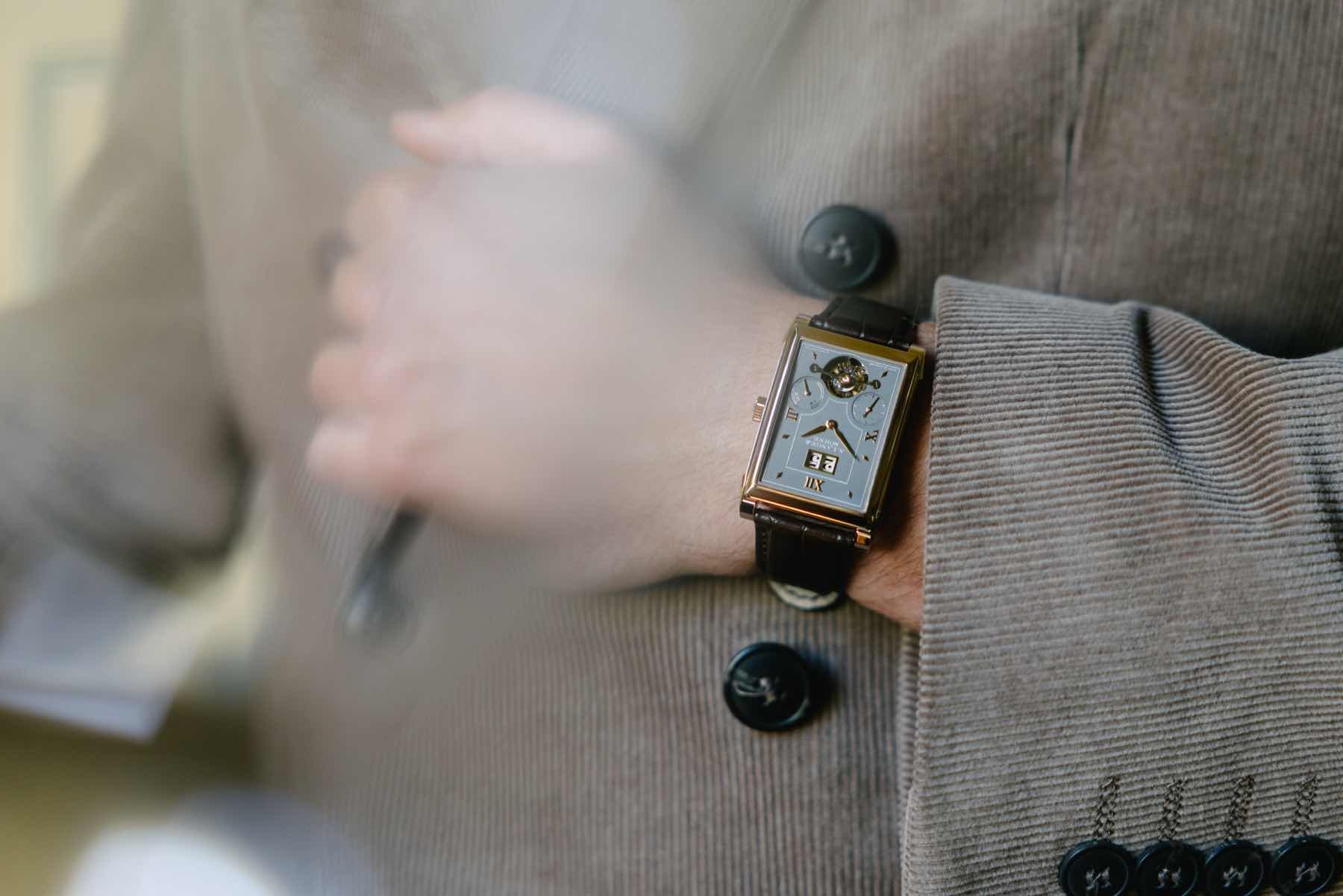
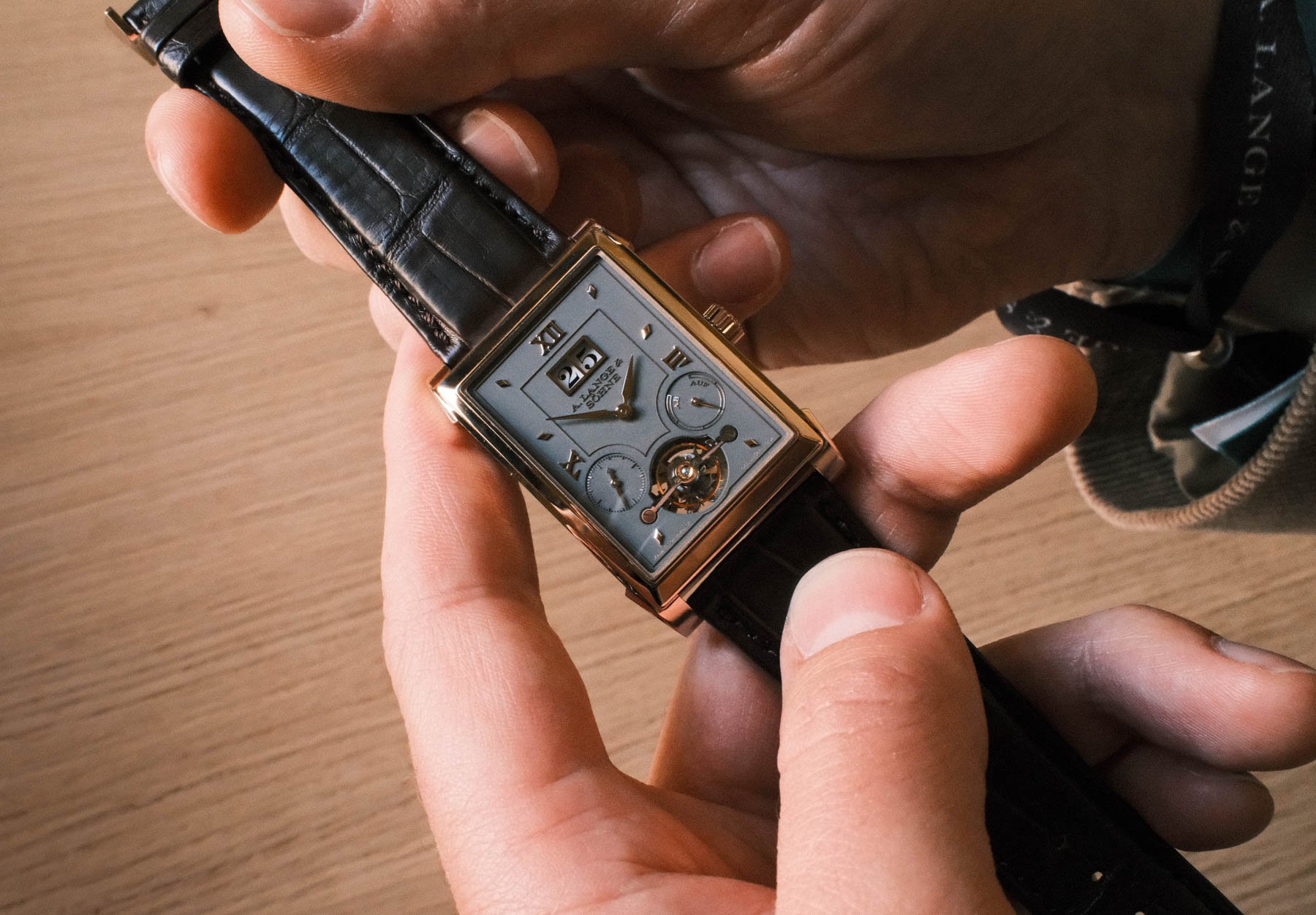
The A. Lange & Söhne Cabaret Tourbillon Honeygold keeps the familiar 29.5mm by 39.2mm rectangular case shape but changes the visual character considerably through its materials. Lange uses its proprietary Honeygold alloy for both the case and the dial. Against the latter’s black-rhodiumed surface, the polished relief elements stand out sharply. The dial construction is especially complicated. Lange machines the scales, frames, and signature directly from the dial material before applying the darkening treatment and hand-finishing the raised sections again.
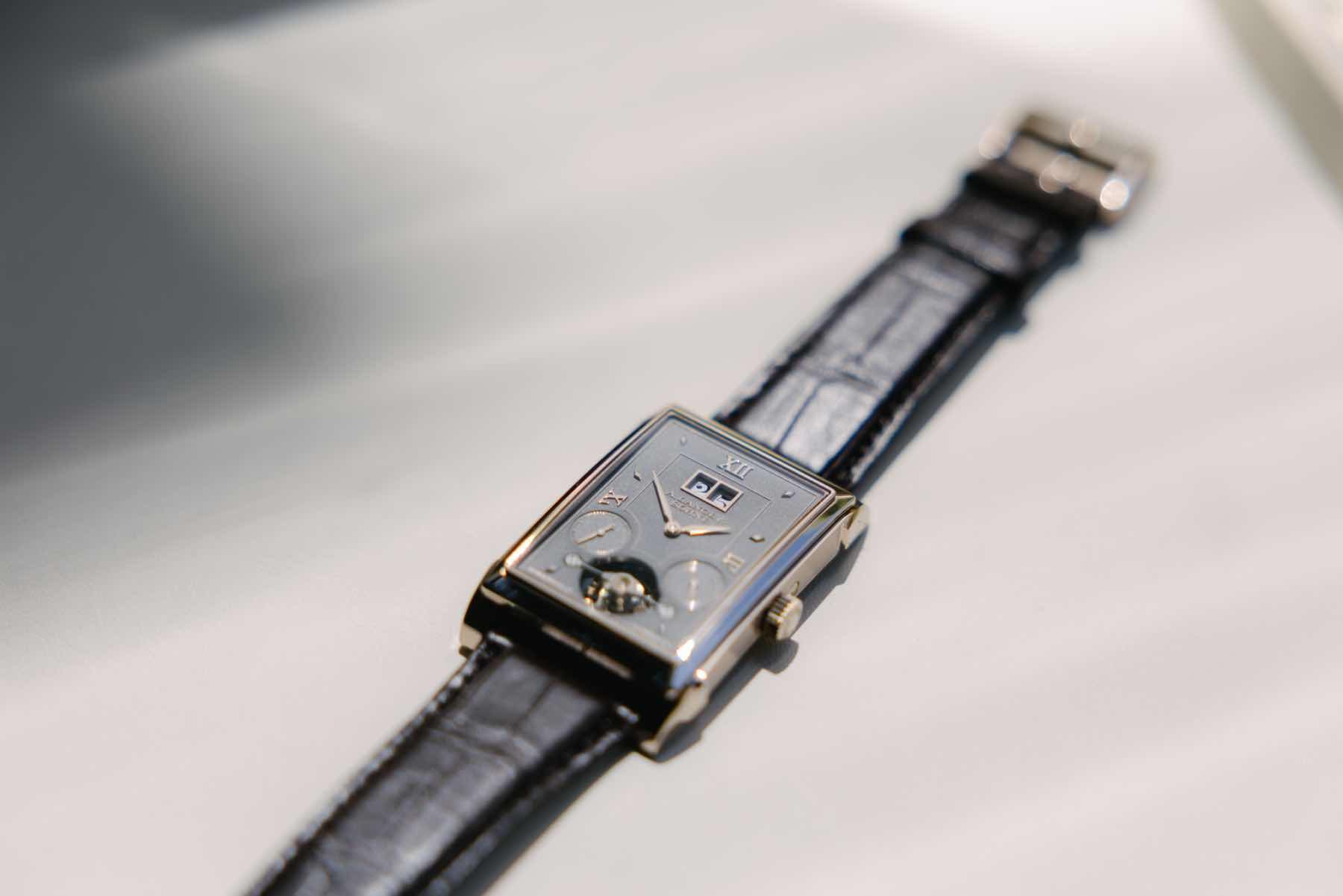
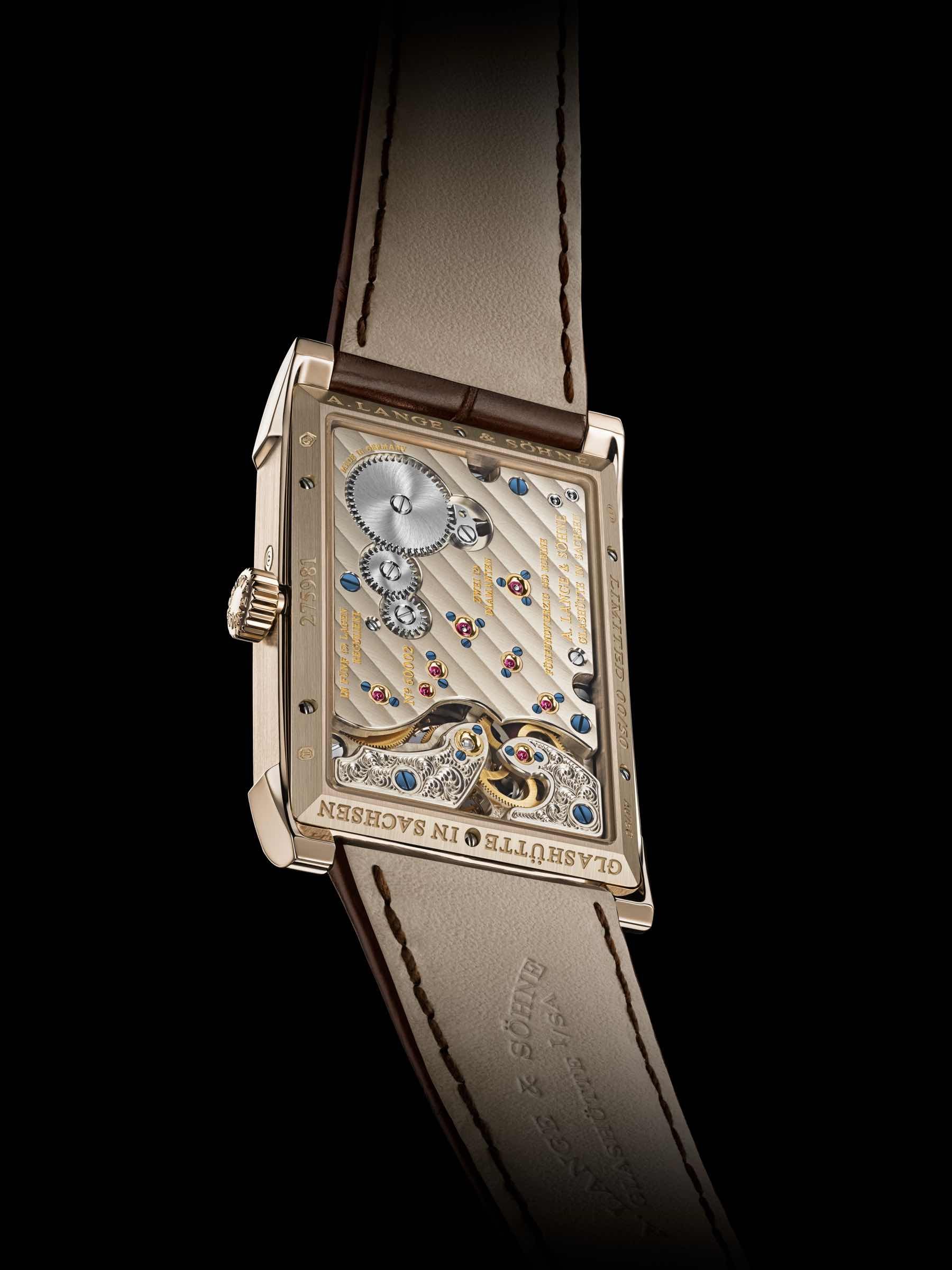
The tourbillon aperture at 6 o’clock remains the visual focal point. Lange highlights the upper bridge and the top side of the cage with black polishing, one of the more demanding finishing techniques in watchmaking. Depending on the angle, the surface reflects light like a mirror or turns almost completely black. The movement, visible through the back, stays very much in line with what we’ve come to expect from Lange. You get a three-quarter plate in German silver, blued screws, gold chatons, and manual engraving.
A. Lange & Söhne first created its proprietary Honeygold alloy to increase 18K gold’s strength and scratch-resistance. As it turned out, the resulting alloy had some interesting visual characteristics. It constantly changes color depending on the light. It can appear as white gold, yellow gold, or even pink gold. Honeygold always carries a warmth and unique subtlety from its less saturated color than yellow and pink gold.
Specifications of the A. Lange & Söhne Cabaret Tourbillon Honeygold
The A. Lange & Söhne Cabaret Tourbillon Honeygold features an 18K Honeygold case measuring 29.5mm wide, 39.2mm long, and 10.3mm thick. Lange pairs it with a dark brown hand-stitched alligator strap and a matching Honeygold pin buckle. Both the dial and case use the same Honeygold alloy, and the topside sapphire crystal and display back complete the exterior.
Inside ticks the manually wound caliber L042.1. The movement consists of 370 parts, including 84 components for the tourbillon alone. Lange equips it with twin mainspring barrels that provide a 120-hour power reserve and a balance operating at 21,600 vibrations per hour. The movement includes the tourbillon stop-seconds mechanism, outsize date, small seconds, and an “AB/AUF” power reserve indicator.


The black-rhodiumed Honeygold dial consists of three separate parts, including two subsidiary dials displaying the seconds and power reserve. Lange cuts the frames, scales, and logo directly into the dial base, creating raised relief elements with sharply defined edges. Roman numerals at III, IX, and XII combine with six lozenge-shaped indexes and a framed outsize date display. The matte rhodiumed surfaces seem to soak up any light, providing great contrast with the polished elements. The A. Lange & Söhne Cabaret Tourbillon Honeygold is limited to 50 pieces. The price is on request but estimated to be around the €300,000 mark.
The A. Lange & Söhne Cabaret Tourbillon Honeygold at the Concorso d’Eleganza Villa d’Este
Let me start with my initial question: Does the A. Lange & Söhne Cabaret Tourbillon Honeygold stand its ground within the aesthetic opulence of the Concorso d’Eleganza Villa d’Este? I can answer this with a resounding “yes!” The Cabaret carried itself as a unicorn among unicorns.
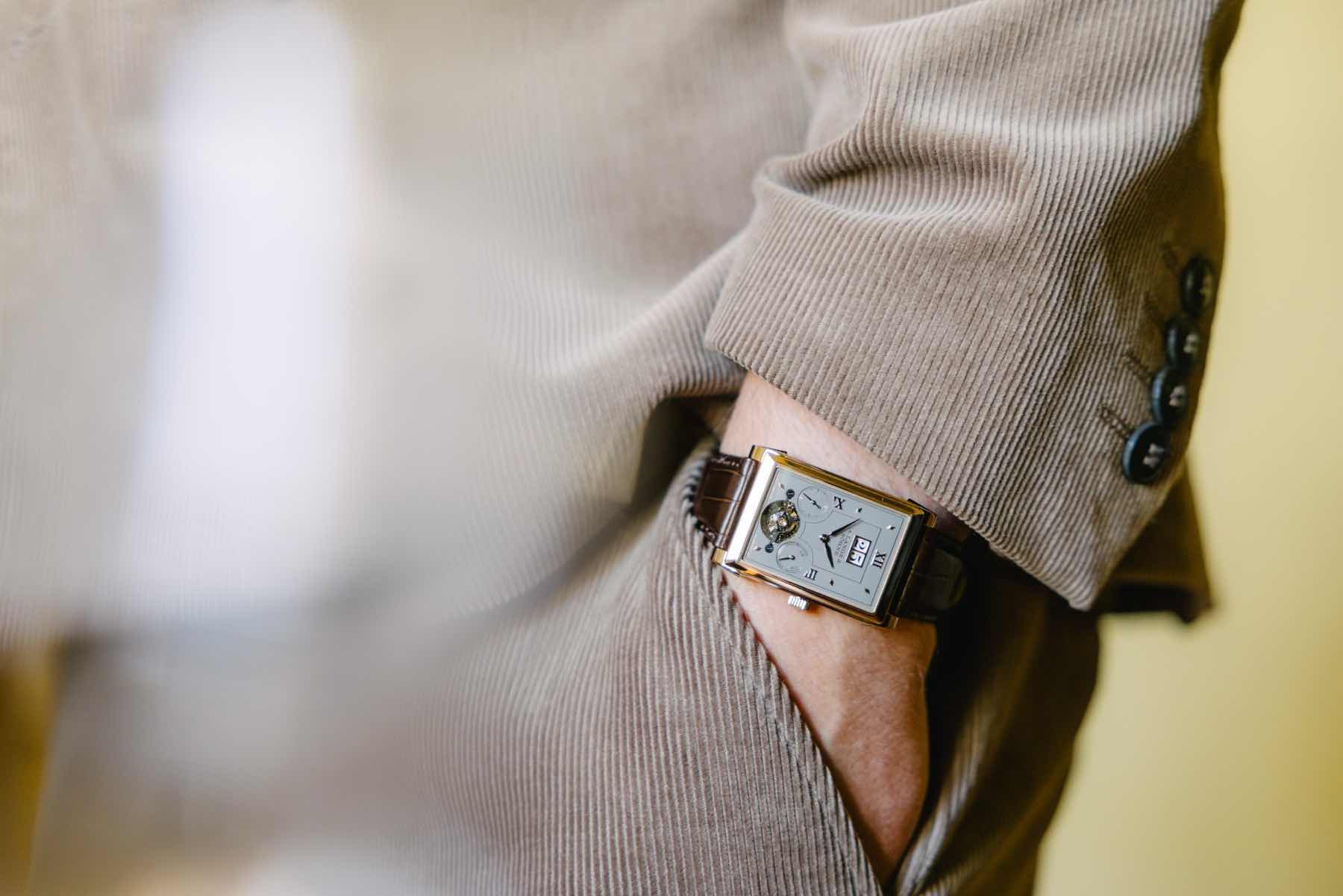
In fact, this pairing makes a ton of sense to me. Walking across the grounds, I got the distinct impression that these watches would end up on the wrists of the type of people attending the event. It isn’t merely a matter of whether you have the spending capacity for it. Equally, it is a matter of taste. The Concorso d’Eleganza might celebrate sumptuousness, but it does so in the most elegant and restrained manner. I wouldn’t call it subtle; it certainly isn’t. But it is of great consideration and refinement. The A. Lange & Söhne Cabaret Tourbillon Honeygold left precisely the same impression on me.
This is a statement piece, not merely in its design and horological ambition but also in its stance on the wrist. It has a commanding presence. It does not seem to be bothered with blending in. You could argue that shaped watches are fashionable. The A. Lange & Söhne Cabaret Tourbillon Honeygold, however, stands outside of that trend. It doesn’t have that dainty, design-first vibe of the in-vogue style of 2026. It feels more substantial and forceful. The Cabaret also retains a hint of classicism through 1990s goggles, contrasting the stronger Art Deco vibes in competing rectangular watches. All of this puts the A. Lange & Söhne Cabaret Tourbillon Honeygold in a category of one.
Closing thoughts
It isn’t rare for watch brands’ partnerships to feel contrived. Events, sponsorships, and ambassadorships can feel forced and even poorly matched. A. Lange & Söhne’s presence at the Concorso d’Eleganza Villa d’Este is the opposite. It links the competition with modern craftsmanship and anchors Lange in contextual heritage. That’s what marketing boffins call synergy, I believe.
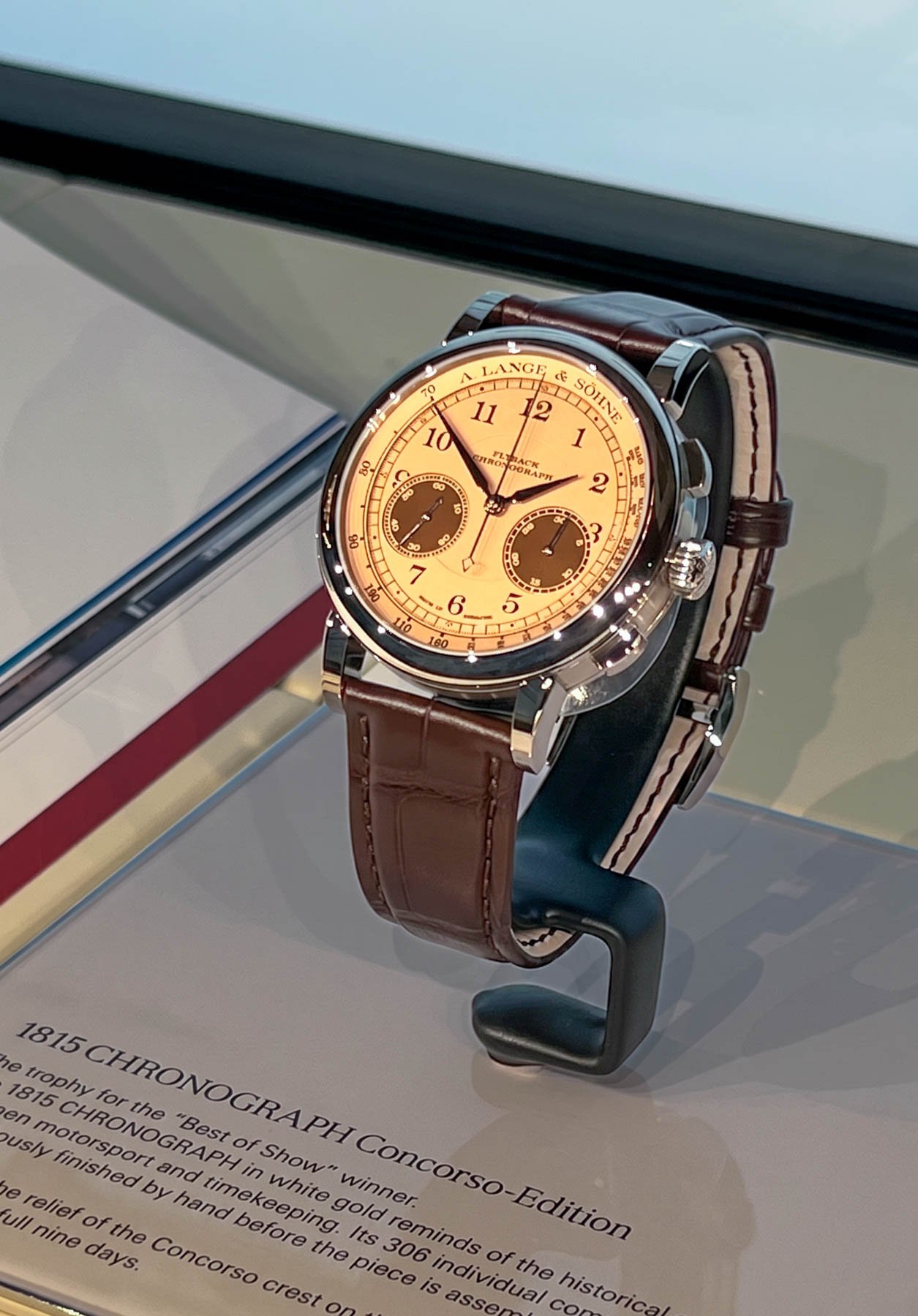
While I admire the A. Lange & Söhne Cabaret Tourbillon Honeygold, I have to admit that I had my eye on something else. My regular readers might know that the 1815 Chronograph is one of my absolute grail watches. Seeing that one-off version up close did little to quench my desires. Now I just have to figure out whether to save up for a regular one or vie for a Best in Show award at the Concorso d’Eleganza Villa d’Este next year. Does anybody have a proper car that I can borrow and put forward? I doubt that my family EV will do the trick…
Thomas Van Straaten
2026-05-20 05:00:00