
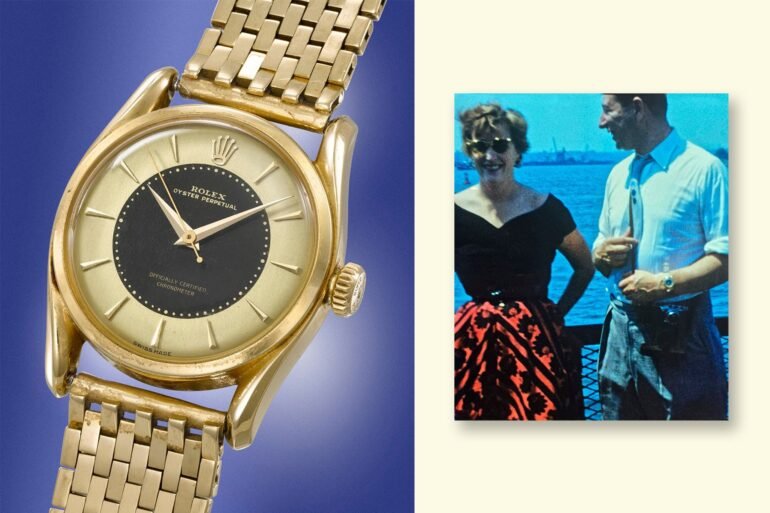
We have covered quite a few historical stories about Rolex here on the Fratello site. Today, we have another, this time about a special gold Oyster Perpetual that belonged to Holocaust survivor Kurt Kahn. Let’s dive in.
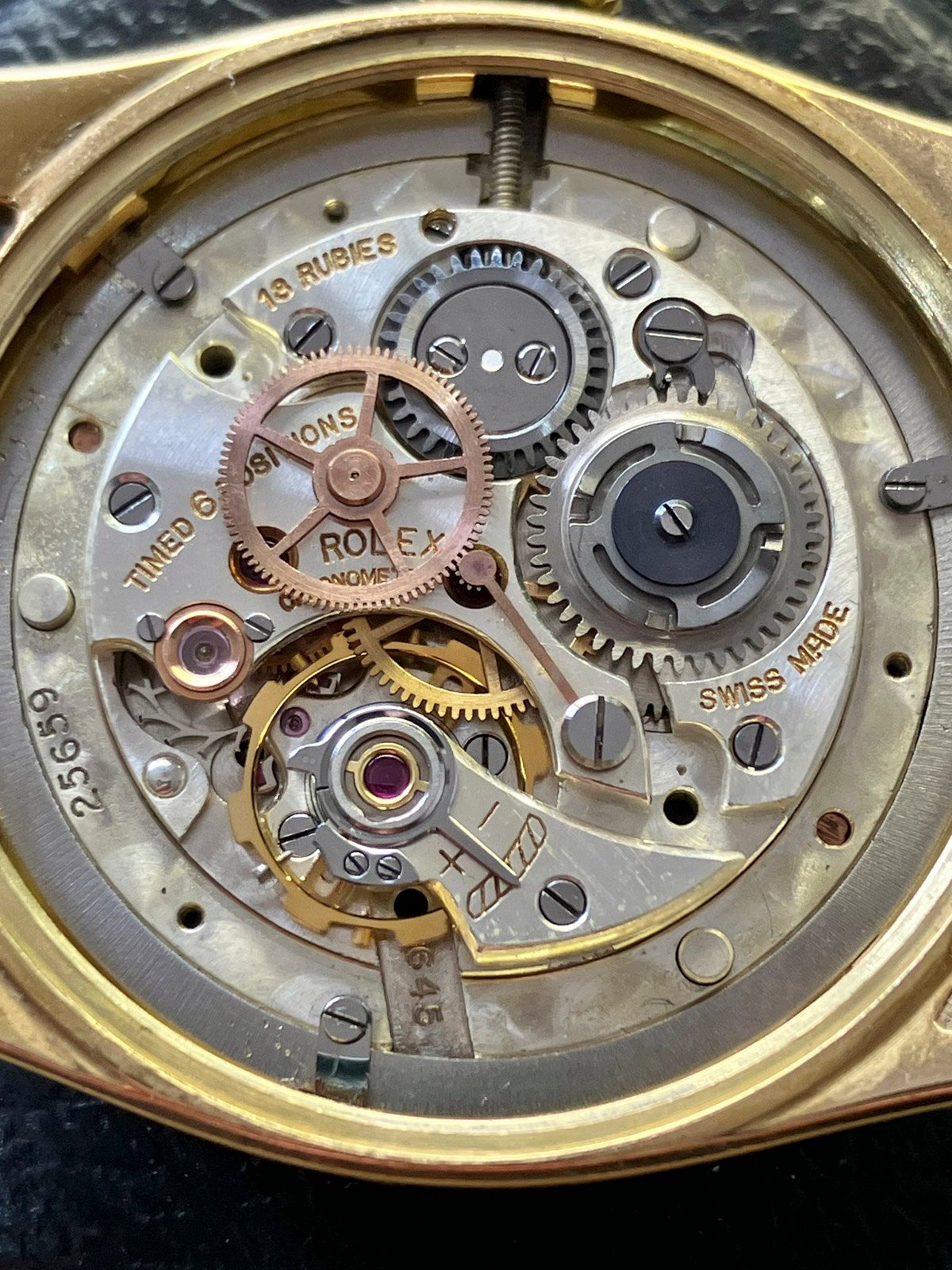
Some watches merely tell time, while others tell stories. Very rarely, one encounters a piece that does both with equal gravity. The 1953 Rolex Oyster Perpetual ref. 6090, known as the “Kahn Bombé,” belongs firmly in the last category. Soon to cross the block at Christie’s in Geneva, it is not only an object of mid-century horological excellence but also a distilled narrative of survival, ambition, and quiet triumph.
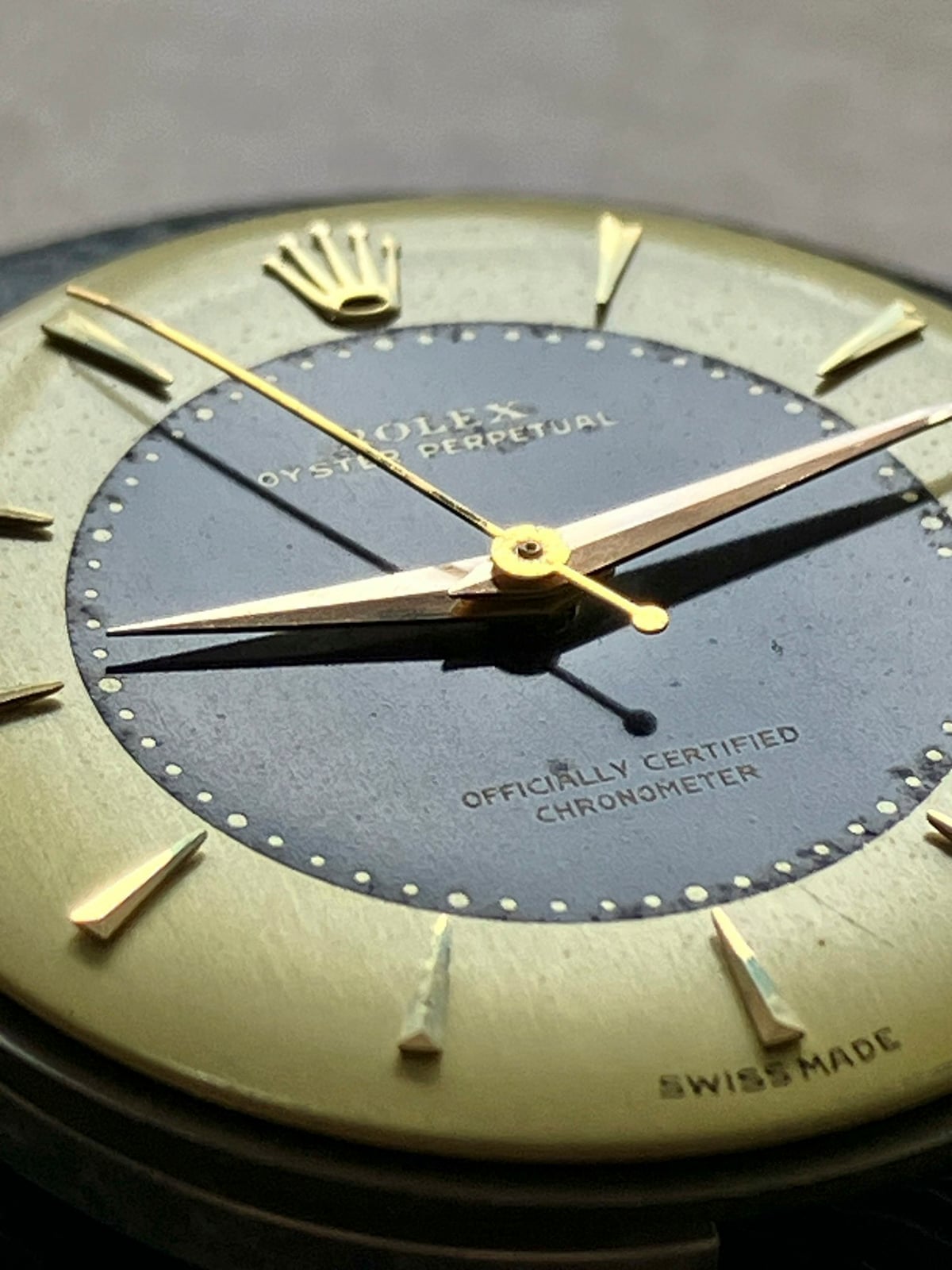
At first glance, the watch presents itself as a refined example of Rolex’s so-called golden era. Its 18K yellow gold case is sculptural, defined by the soft, inward curves of its bombé lugs. The dial, a two-tone black-and-cream composition often referred to as a “tuxedo,” balances restraint and presence with remarkable poise.
This Rolex story starts in 1953
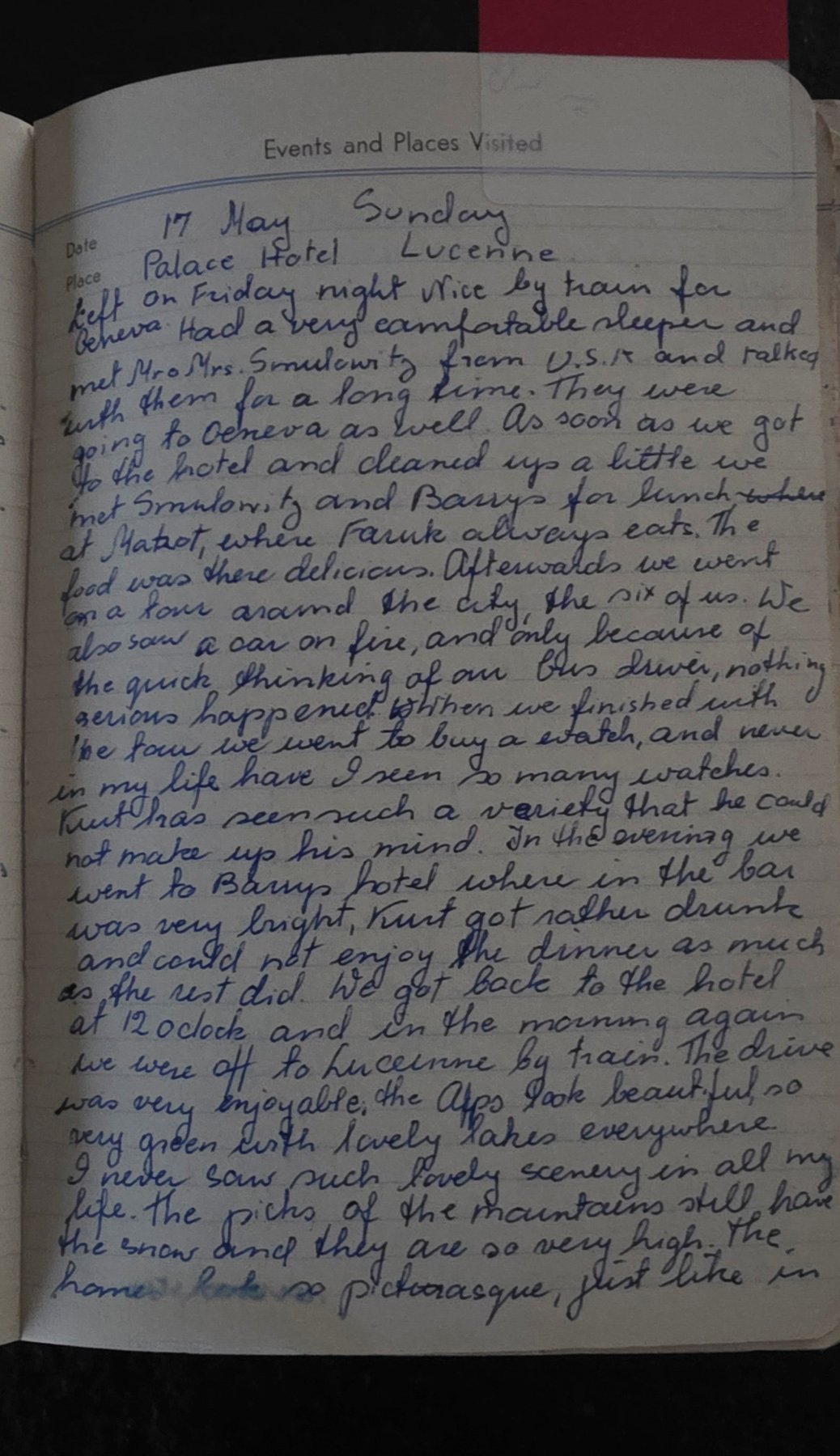
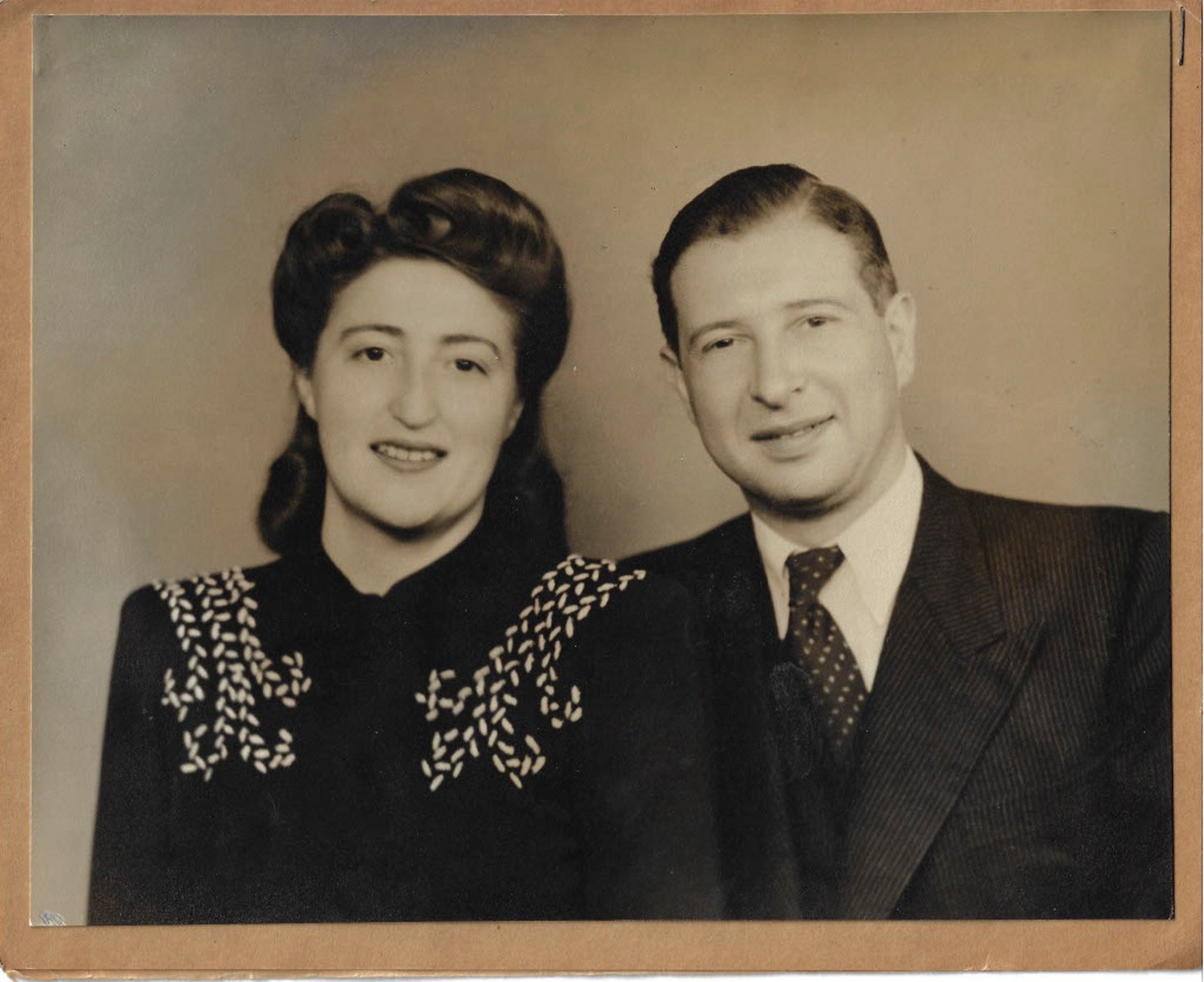
The story begins, fittingly, not in a workshop but in a diary. On May 17th, 1953, Diana Kahn noted from the Palace Hotel in Lucerne: “We went to buy a watch and have never seen so many watches. Kurt has seen such a variety that he could not make up his mind.” This was not a casual purchase. By that point, Kurt Kahn was 43 years old and, by any conventional metric, a success. But conventional metrics fail to capture the scale of his journey.
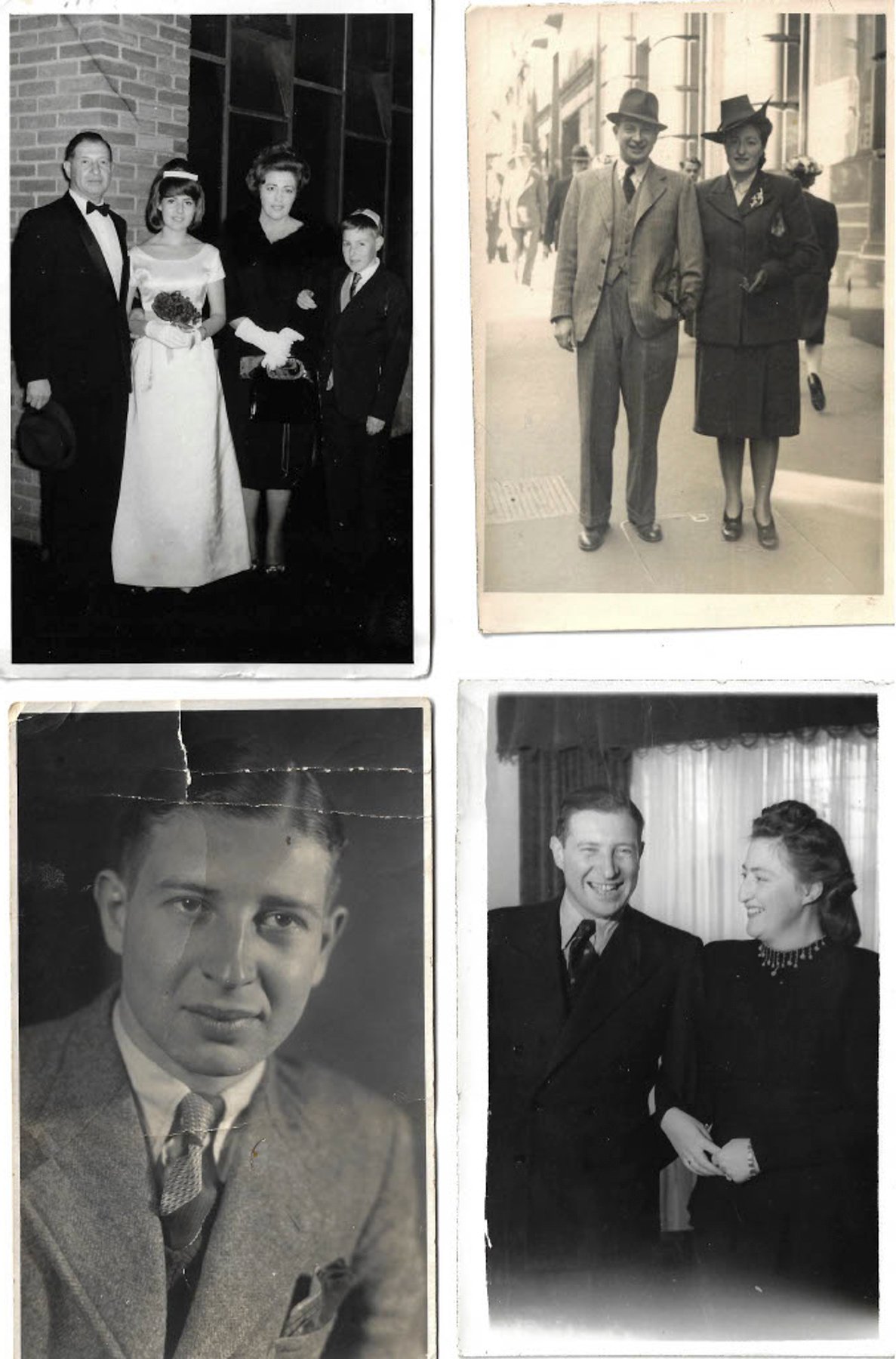
Born in 1910 in Neuwied, Germany, Kahn came from a family whose roots stretched back centuries. His early life suggested little of the upheaval to come. He was a young man with sporting interests, a job in banking, and a taste for life beyond the confines of a small town. Then came Kristallnacht, followed by imprisonment in the Dachau concentration camp in 1938. Like so many stories of the 20th century, his was violently interrupted.
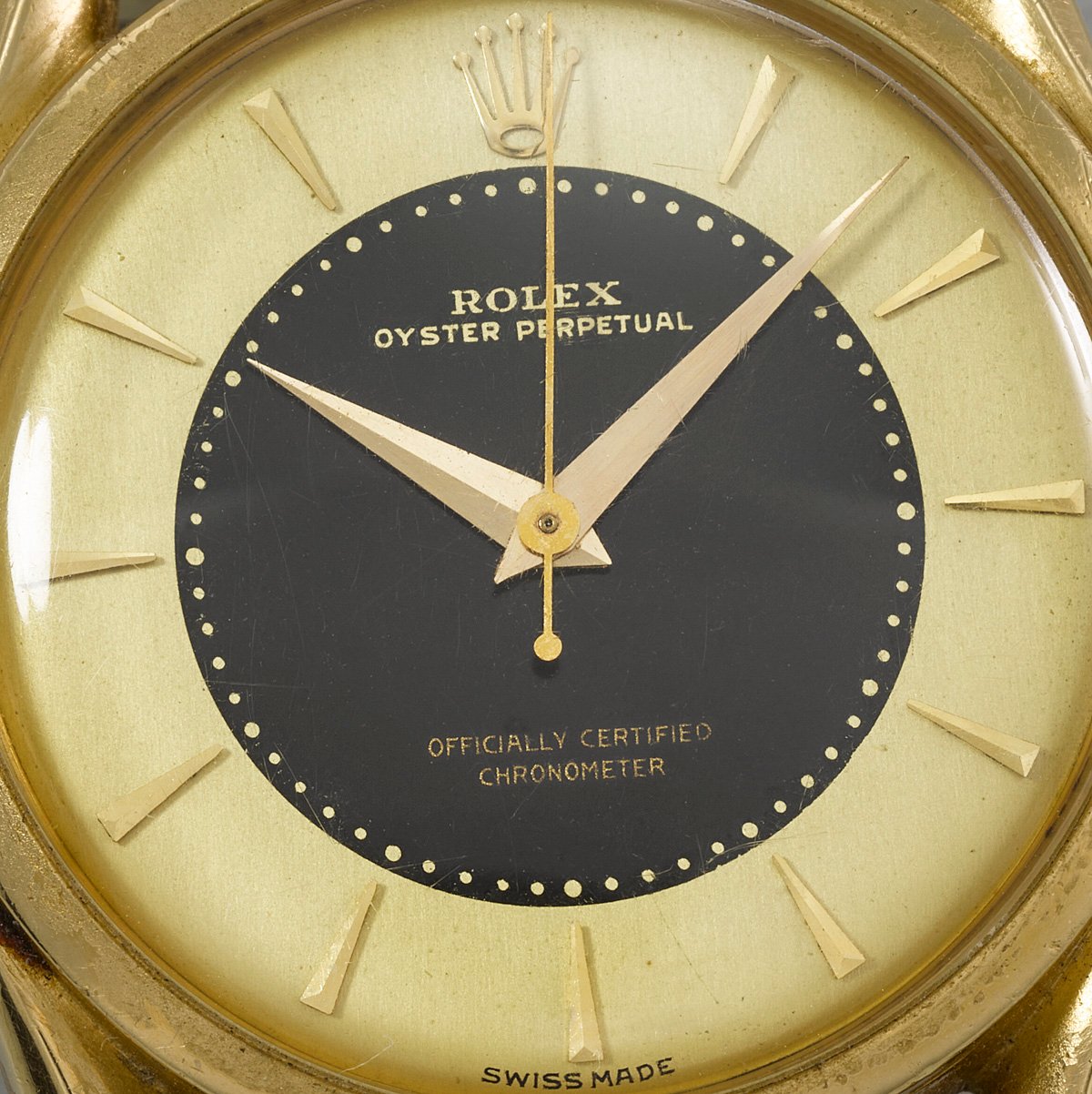
Image: Christie’s
A time of global instability and war
After being released from Dachau but exiled from Germany, Kahn and his parents moved to Melbourne, Australia, with a mere 10 shillings to their name. The family had no network, no capital, and no guarantees — only resolve. Kahn’s early years in Australia were defined by work of the most fundamental kind, washing dishes by day and preparing food products by night. But even then, there was vision.
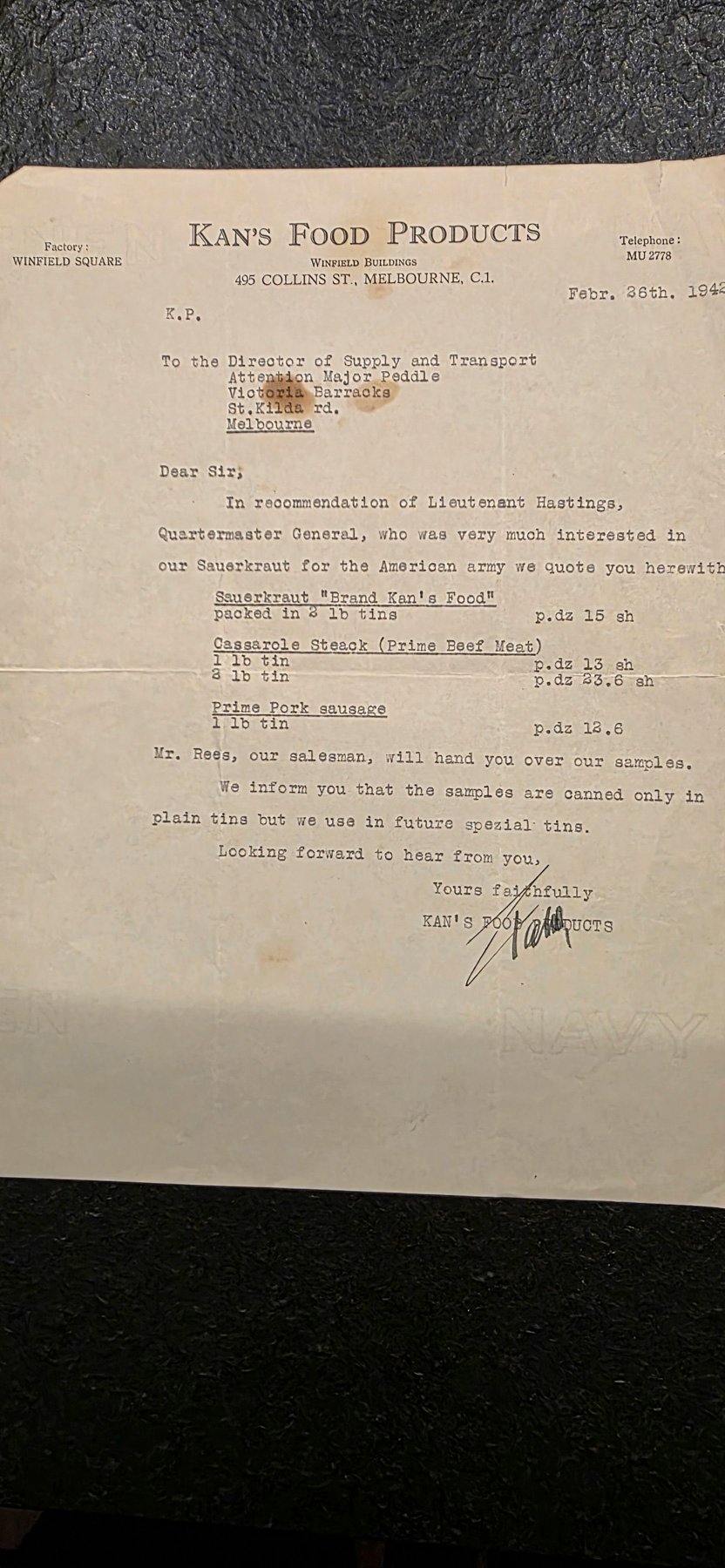
In 1942, with tens of thousands of American troops stationed in Australia, Kurt Kahn noticed something others overlooked — a gap in comfort. The soldiers missed familiar food. Mutton didn’t cut it. But hot dogs, and crucially, sauerkraut, did.
The beginnings of a food empire
Mr. Kahn wrote to the US Army quartermaster. The result was transformative. What began as humble food production became Kahn’s Foods, later evolving into Harvest Foods, a player in Australia’s food industry. This was not just luck. It was instinct sharpened by necessity.
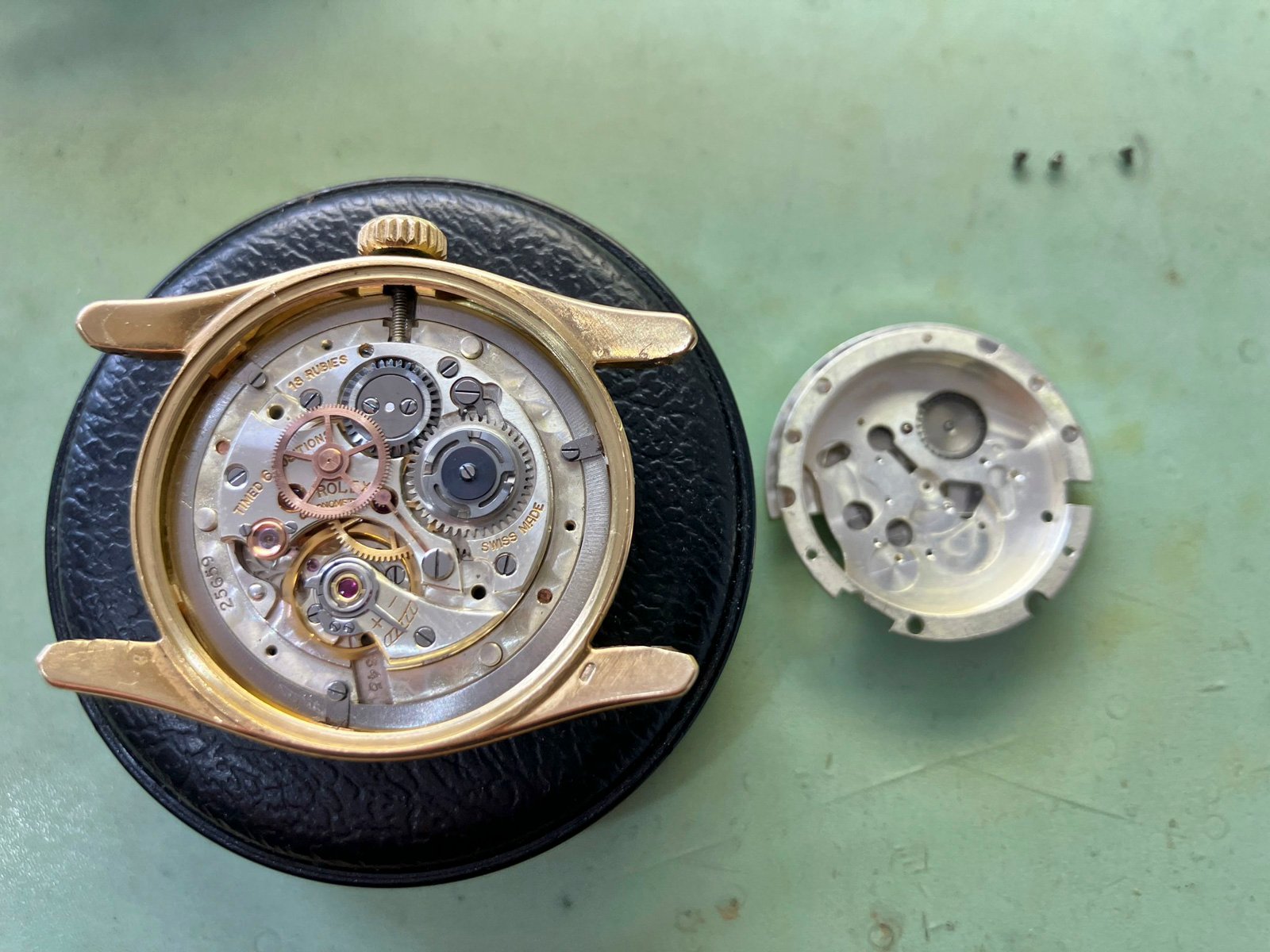
By the early 1950s, Kahn had rebuilt not only his livelihood but also his identity. He had, in every sense, arrived. So, in Lucerne, surrounded by the world’s finest watches, he searched for something that could capture that arrival. He found it at Bucherer, the famed retailer on Schwanenplatz. The bracelet still bears the stamp “CB 750,” a quiet confirmation of its origin.
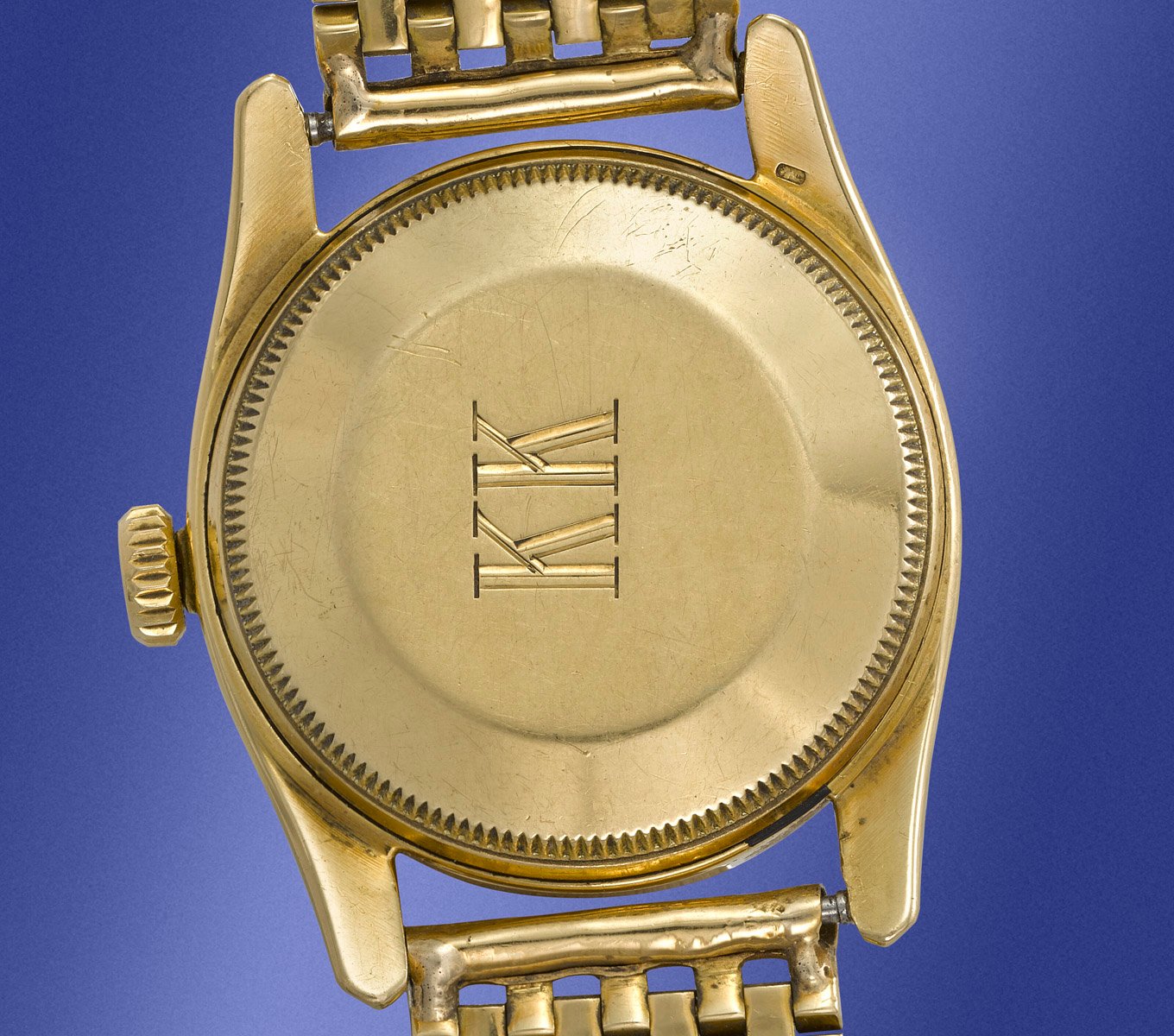
Image: Christie’s
A golden Rolex
The Oyster Perpetual ref. 6090 is not the most complicated Rolex of its era. It has no additional complications vying for attention. Instead, it relies on proportion, material, and execution. The dial, crafted by Stern Frères, achieves depth through contrast rather than ornamentation.
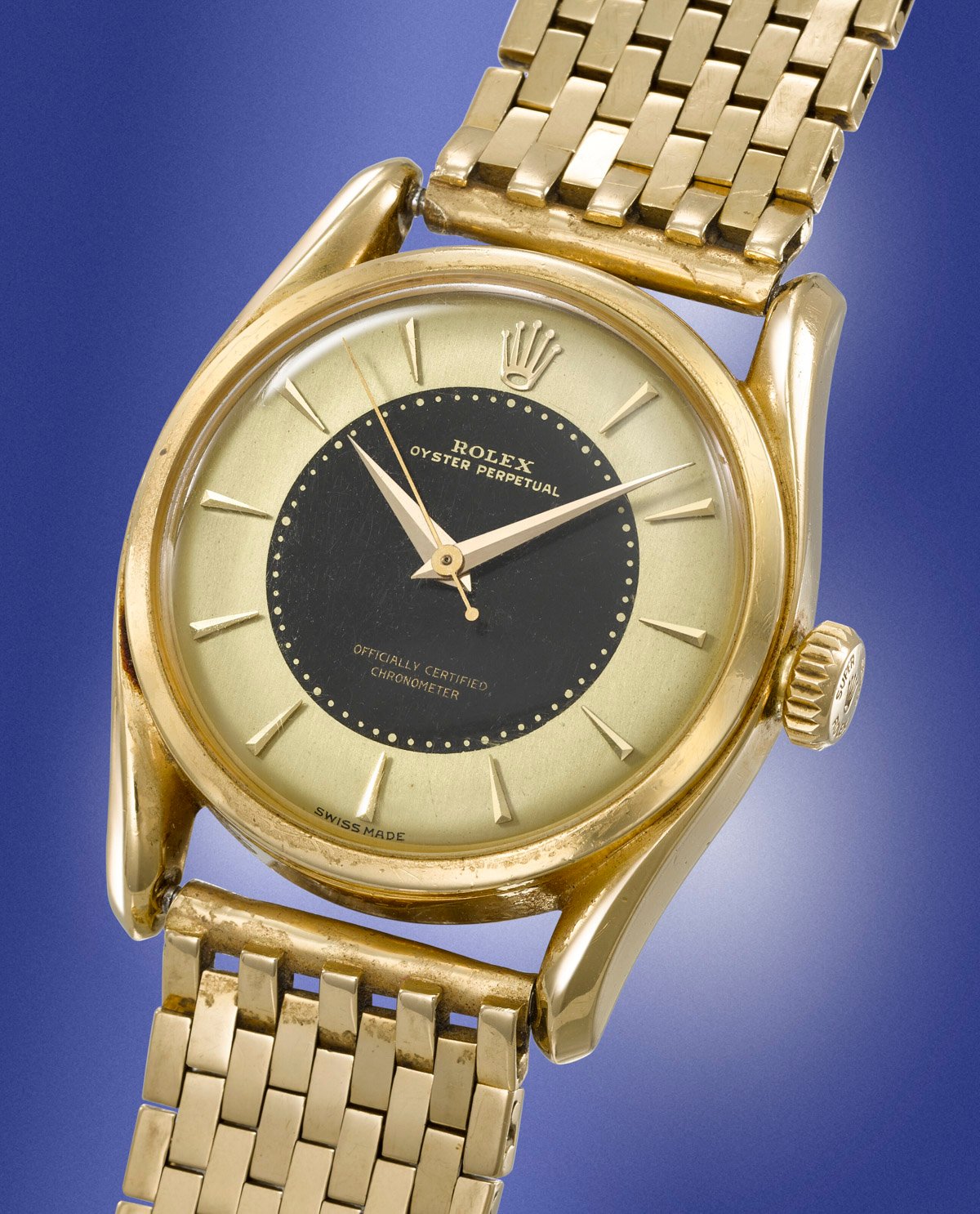
Image: Christie’s
A fitting Rolex for a successful entrepreneur
Mr. Kahn was described as reserved, a man who did not seek validation or recognition. He did not narrate his past; he carried it. The watch became an extension of that philosophy, a personal marker rather than a public statement. Every detail reinforces this — the weight of the gold case, the tactile presence of the bracelet, and the clarity of the dial. This was not a watch to impress others. It was a watch to remind oneself. As one family account puts it, “Every time he checked the time, he felt the weight… a permanent signal that the hardship was behind him.”
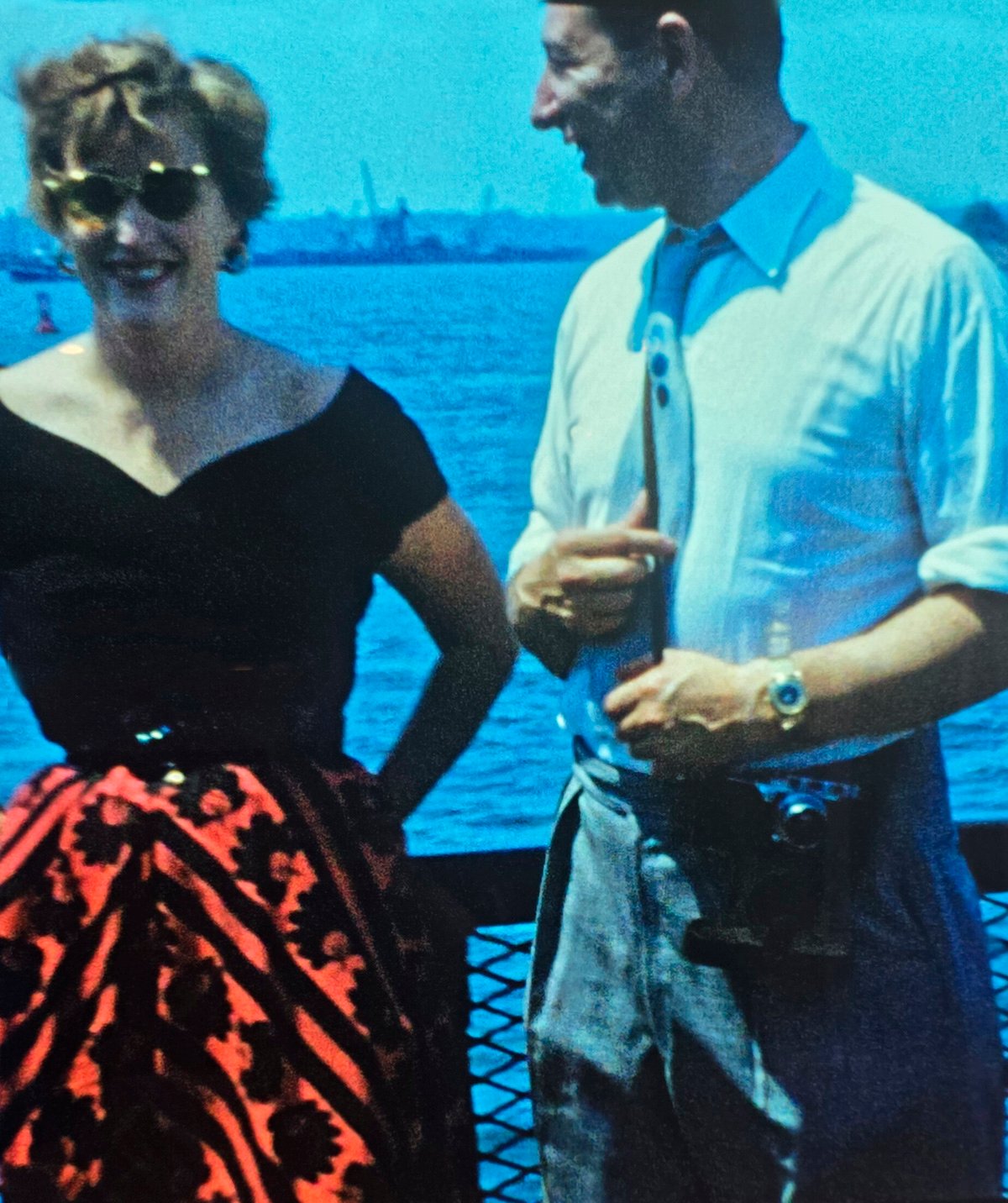
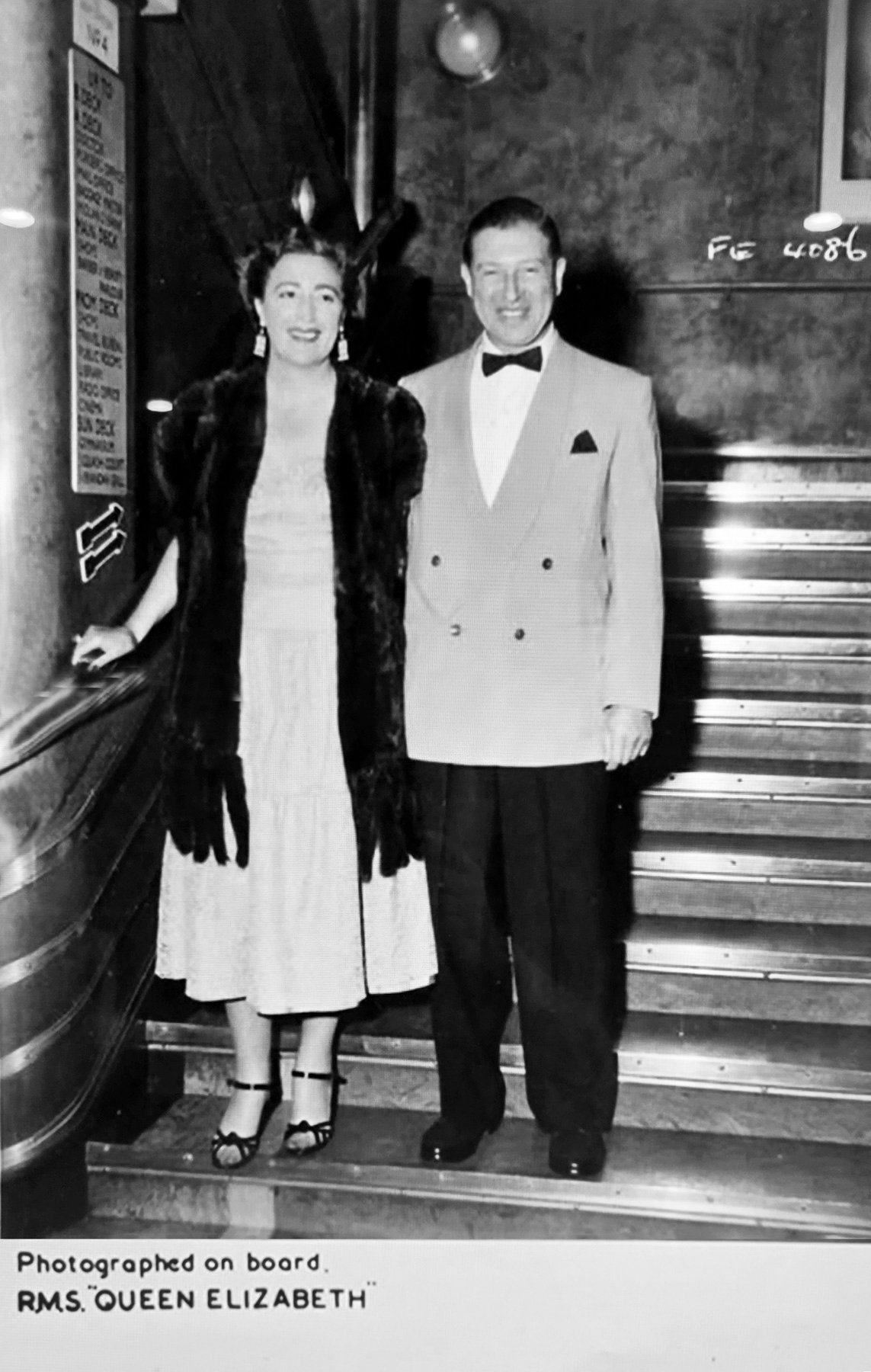
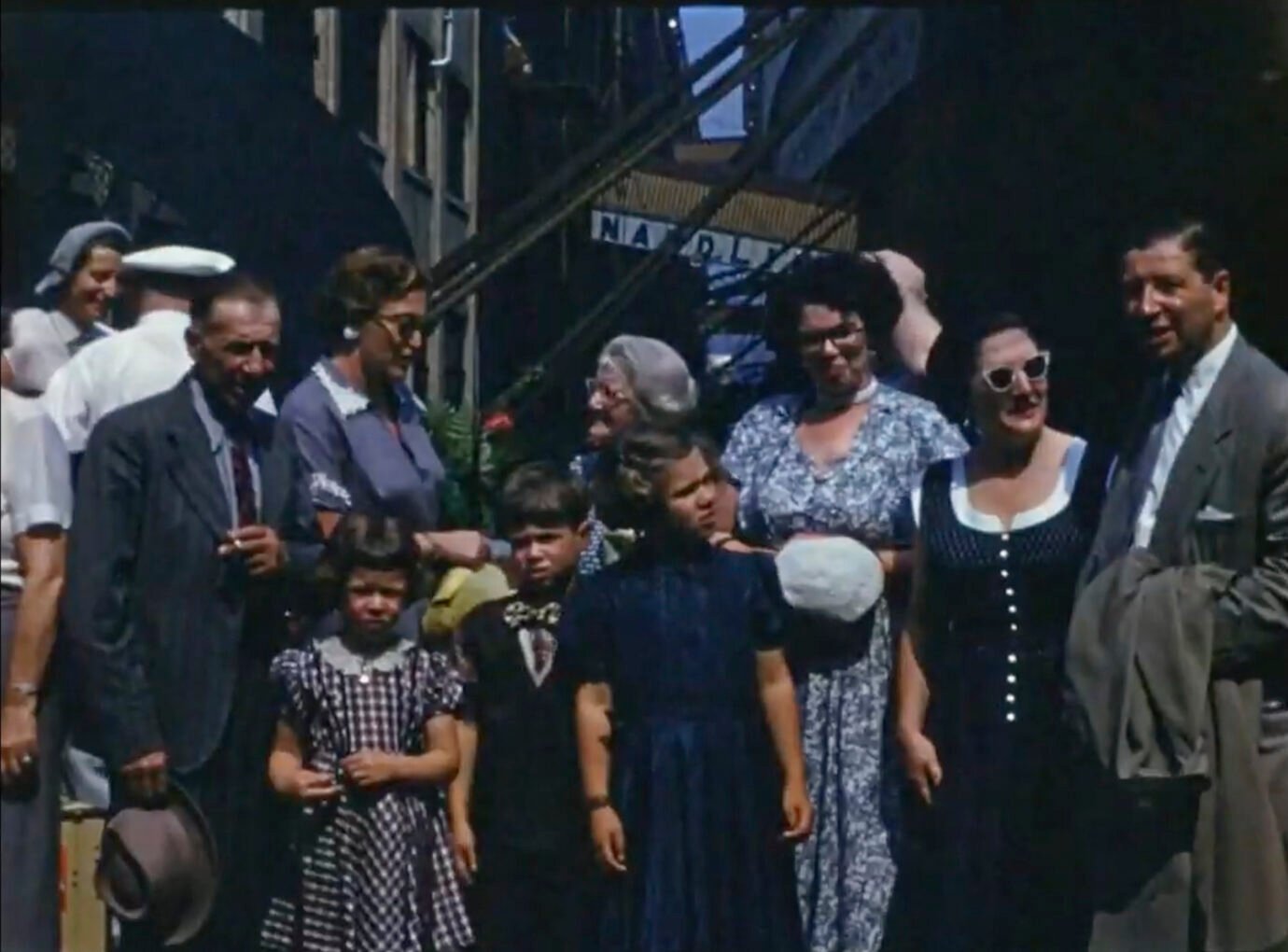
The Rolex did not sit in a box. It traveled. From Lucerne, it crossed the Atlantic aboard the RMS Queen Elizabeth, accompanying Kurt and his wife, Diana, to New York. Archival film even captures him wearing the watch as they pass the Statue of Liberty, an almost cinematic image of arrival and renewal. Then, it returned to Australia, where it remained on his wrist for the rest of his life.
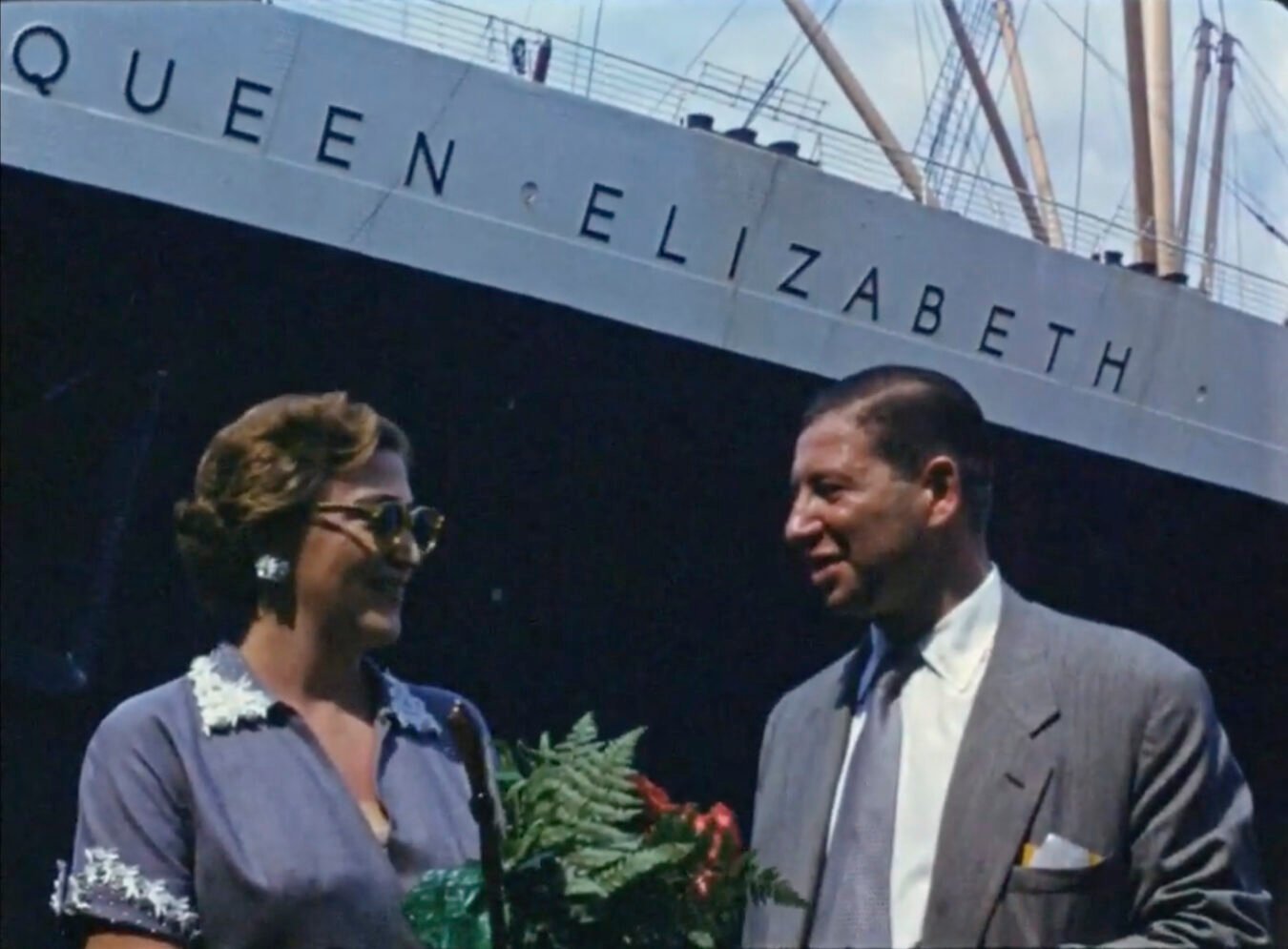
Kurt Kahn’s Rolex Oyster Perpetual — In the background but ever-present
For the Kahn family, the Rolex was always present but rarely discussed. Children grow up accepting certain constants without question. The watch was one of them. It was beautiful, yes, but its meaning remained unspoken. Kurt himself offered little explanation. He was not inclined to revisit the past nor to dramatize his achievements. He focused forward, on business, on family, on building. Diana Kahn mirrored that independence and founded Cherry Lane, a successful fashion company.
With the watch having been in the Kahn family for more than 70 years, the decision to sell it is, understandably, complex. Christie’s has already identified it as one of the standout lots of its upcoming Geneva sale. But the reasoning behind the sale is not purely financial. As one family member explains, the watch, remarkable as it is, remains an object. Left in a drawer or safe, it cannot fully communicate the story it represents. The decision, then, is to transform the object into a narrative.
Funding a new chapter
Part of the proceeds will fund new Rolex watches for Kurt’s grandsons, not replicas of the original but modern counterparts. The gesture is symbolic, an inheritance of meaning rather than metal. Each watch will become a “physical anchor,” a daily reminder that resilience is not abstract. It is inherited, embodied, and lived.
In the end, what makes the Kahn Bombé so compelling is not its rarity. Nor is it purely its design, despite the elegance of its tuxedo dial and sculpted case. It is the alignment between the object and the owner. Too often, watches outlive their stories. They pass through collections, accruing value while shedding context. Here, the opposite has occurred.
Concluding thoughts
Hopefully, this watch will find a new custodian who appreciates its craftsmanship, its history, and its place within the Rolex canon. But the deeper legacy will remain with the Kahn family, carried forward not by a single artifact but by a narrative deliberately set in motion.
In the watch world, we often speak of time as something measured, regulated by balance wheels, counted in beats per hour. But the Kahn Rolex suggests a different perspective. Time, in this case, is not merely measured; it is reclaimed. From Dachau to Melbourne. From 10 shillings to industrial success. From anonymity to legacy. The watch marks that arc, not in complications or features but, rather, in presence. And perhaps that is the most powerful complication of all.
Bidding for Kurt Kahn’s gold Rolex Oyster Perpetual ref. 6090 begins on May 11th, 2026. For more information, view the listing here.
Henry Black
2026-05-06 09:00:00