

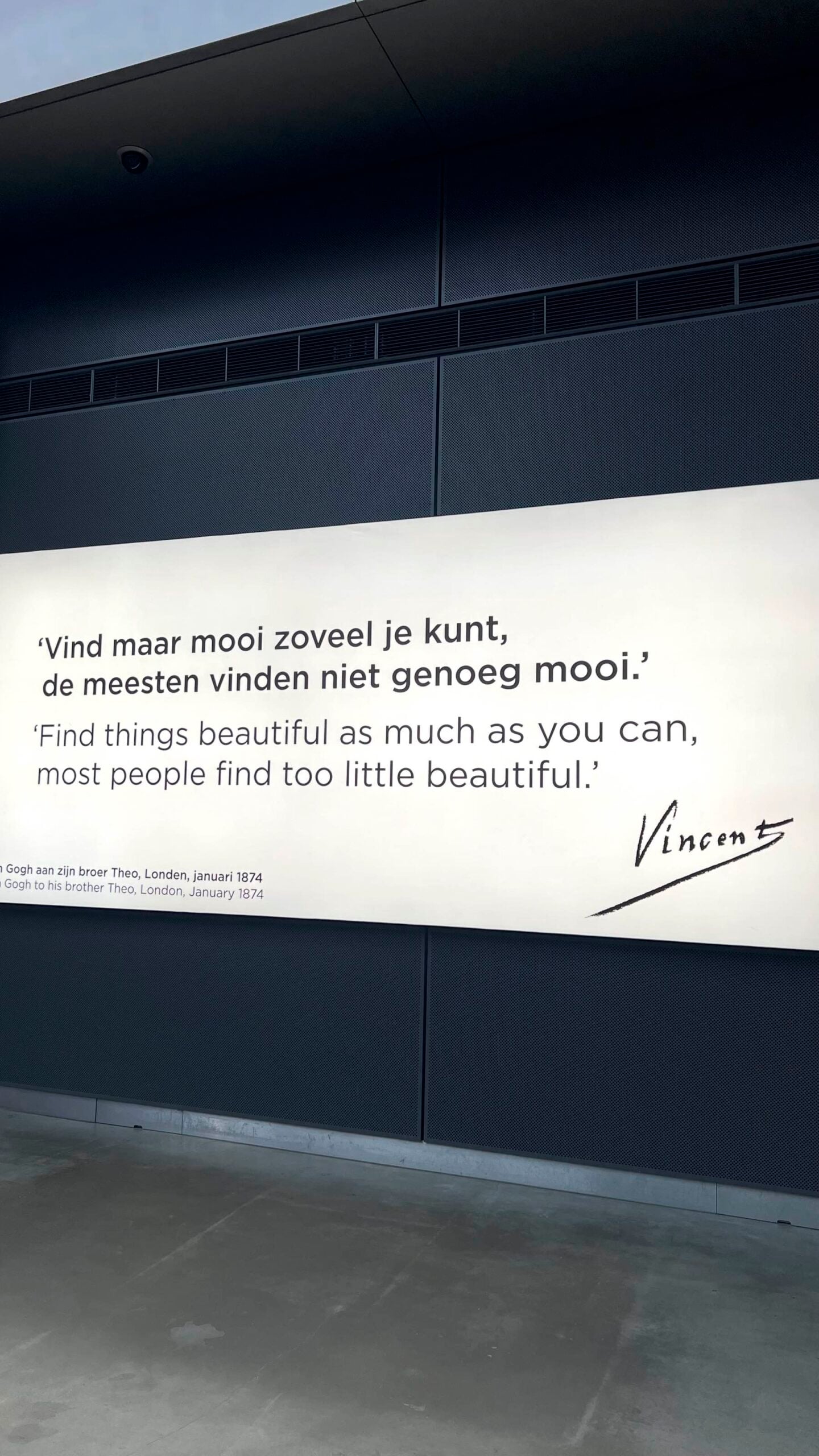
I live about 25 minutes from the Van Gogh museum in Amsterdam. I have lived there all my life, but I somehow never visited the museum. So, last week, when my wife and I had a free morning, we decided to take the plunge. This article isn’t about Van Gogh or about art at all. It is about a poster I noticed in the entrance of the museum. It featured a quote attributed to Van Gogh: “Find things beautiful as much as you can, most people find too little beautiful.” My mind immediately jumped to a concept I like to call “the watch enthusiast trap.”
Could it be that as we gain more expertise and knowledge about watches, we run the risk of losing our enjoyment? You can substitute watches for any field, but this is Fratello, so let me try to present some ideas about the topic as it relates to watches.
Becoming a watch enthusiast
As you first set foot into the realm of watches, your mind tends to be wide open. You are in awe of the beauty, craft, heritage, design, and the way these impressive mechanical objects make you feel. Crucially, you are still free of dogma. You don’t yet disregard entire categories of brands or genres of watches. There is nothing but curiosity and excitement.

You plunge headfirst into the forums, online magazines, get-togethers, events, and social media. You become a sponge, soaking up information and knowledge. References, years, technical innovations, involvement in historic events… You eat it all up, and slowly but surely, you become a well-informed watch enthusiast.

Your taste develops. You start leaning towards specific genres and segments. Maybe you find a handful of brands resonating with you more than most. Maybe you develop a subtle distaste for others. You compare notes with fellow enthusiasts. And then, all of a sudden, you find yourself criticizing and judging. Somehow, somewhere, a little bit of negativity snuck in, hiding as refined, discerning taste but manifesting as a damper on your enjoyment. What happened?
The watch enthusiast trap
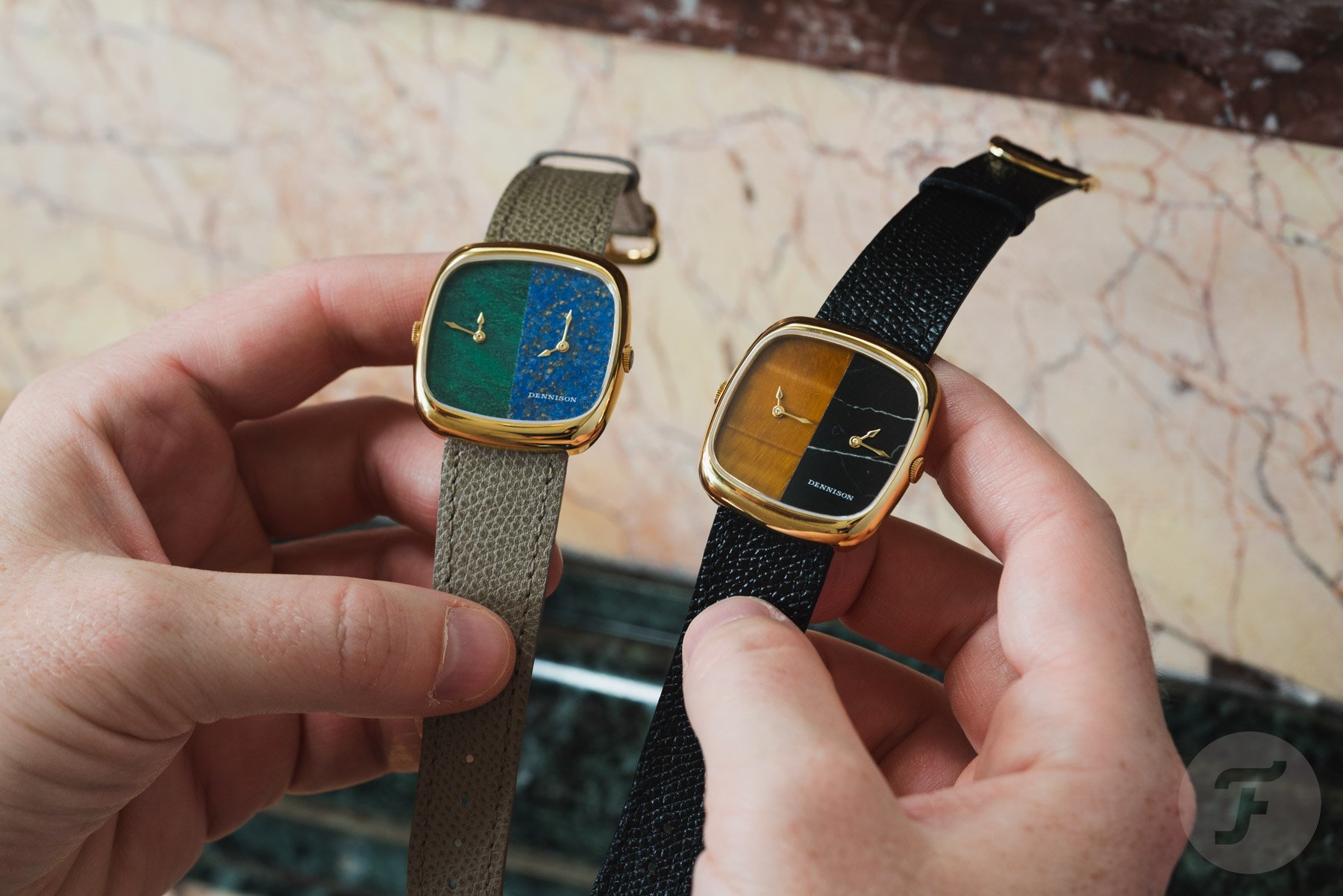
Somehow, your mind transitioned from curious and wide open to perhaps a little more closed and judgmental than you would like it to be. Suddenly, those manufacturers you once deeply admired seem to get it all wrong. Overpriced, too gaudy, too big, too small, wrong color…what were they thinking?!
You may, at this point, find yourself criticizing every new release, pointing out the mistakes and faults in every new watch. You probably feel righteous and clever about it, but deep down, you know that you’re no longer approaching watches from a place of joy. This is what I like to call the watch enthusiast trap.
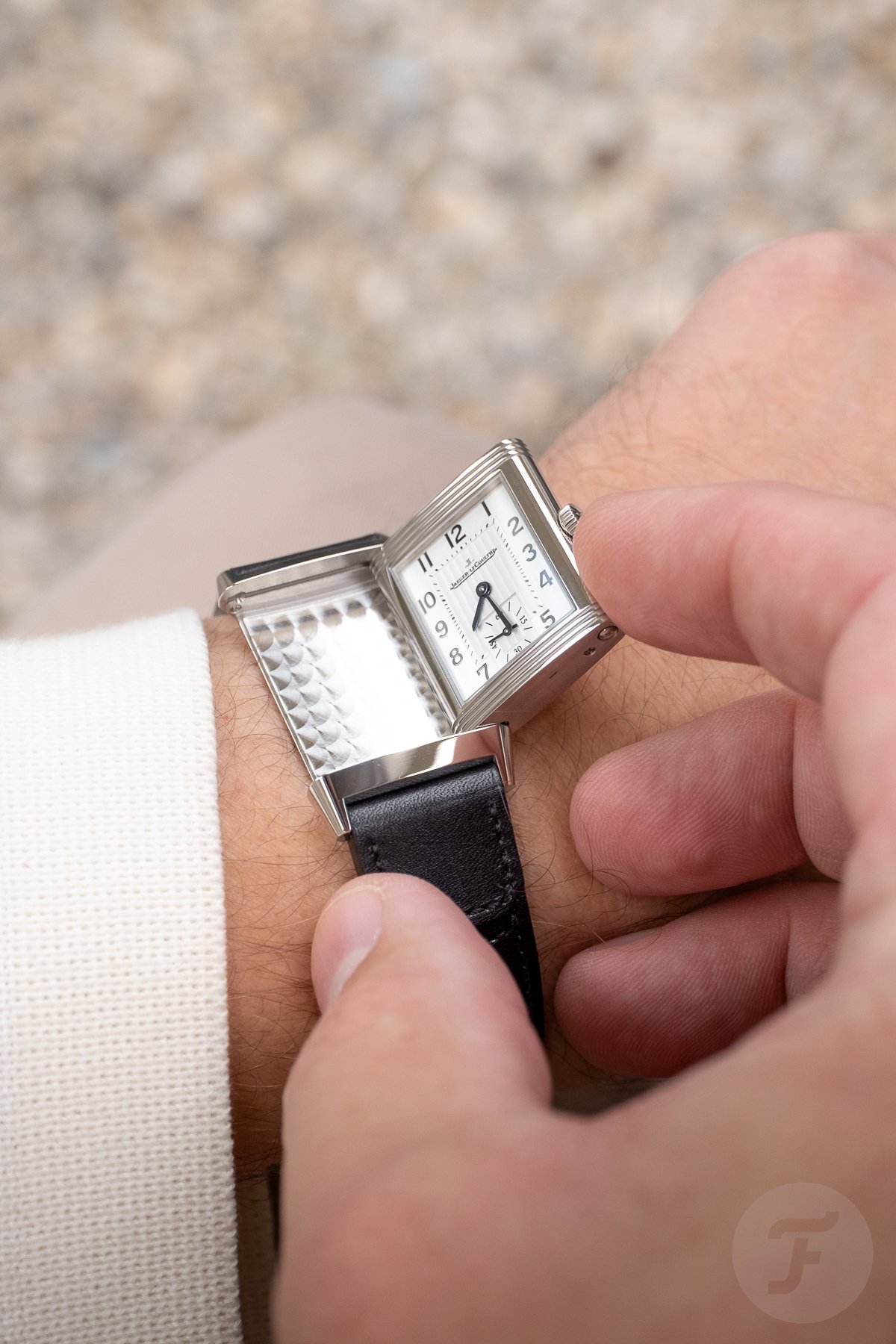
I am no stranger to it. It is easy to get spoiled and jaded, especially when you handle as many watches as we do. I have to constantly remind myself to look for the beauty and enjoyment when my mind leans towards criticism. Note that I am not advocating against a healthy dose of rational, critical thinking and calling out the issues as they are. After all, you don’t have to slavishly drink the Kool-Aid. But it is the underlying mindset that can be worth examining. And that’s what I am trying to do here.
Earned dogmatism
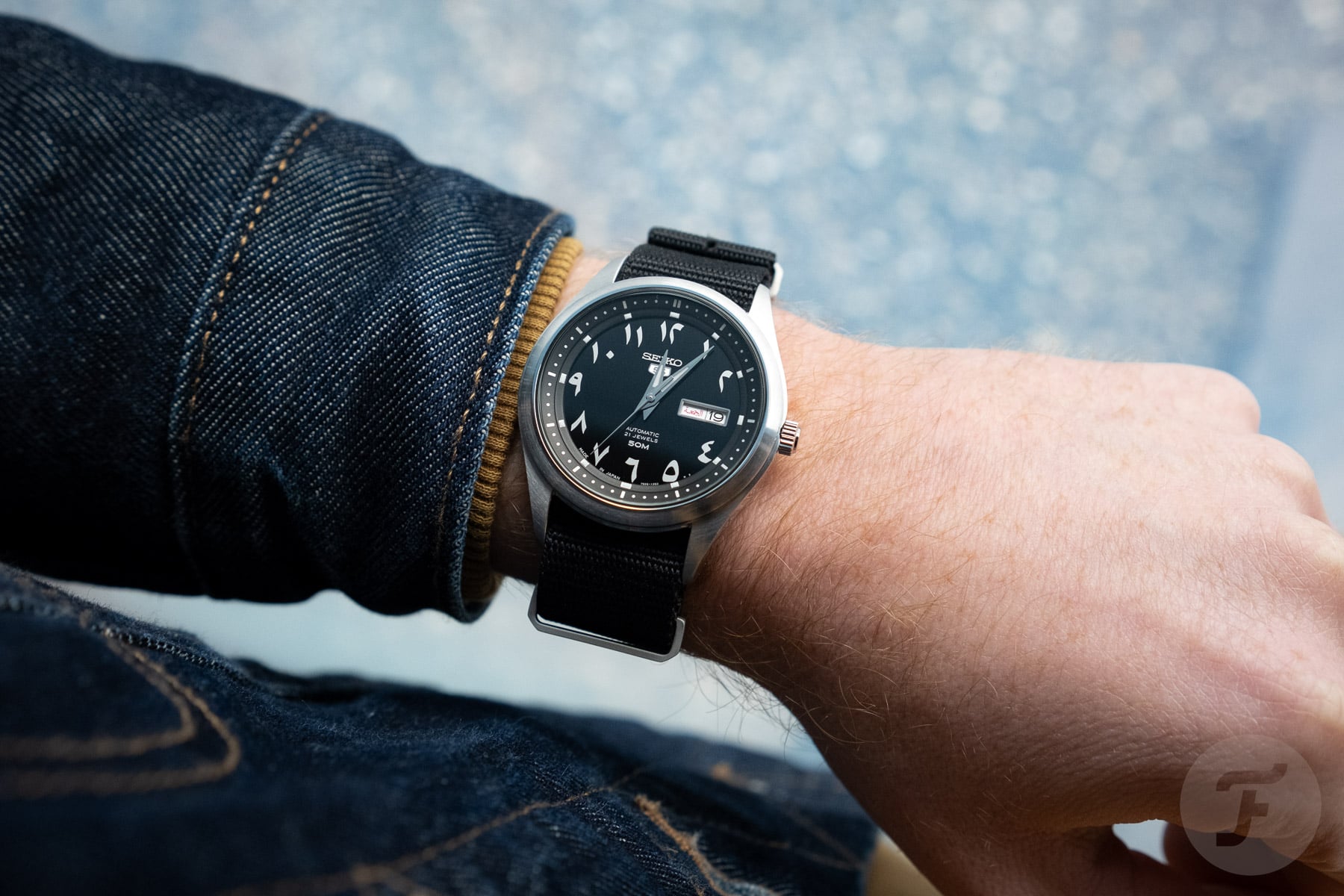
One principle at play when you become a more seasoned watch enthusiast is earned dogmatism. This term, coined by researchers Victor Ottati, Erika D. Price, Chase Wilson, and Nathanael Sumaktoyo, describes how perceived expertise and a dogmatic stance go hand in hand.

The idea is that as you gain expertise, you become more and more likely to nourish dogmatic views. We associate expertise with discernment, perhaps even fastidiousness. As a result, it somehow becomes tempting to criticize rather than admire. As a more seasoned watch enthusiast, you might find yourself looking for faults in what is presented, rather than beauty.
Seeing the ugly side of the watch world
Of course, a more critical stance also naturally develops as you see the less pleasant sides of the industry. You don’t just learn the good stuff, but you will come across the ugly side of the industry too. I am by no means saying that there’s no place for criticism. I, too, find some companies and practices very hard to defend. And yes, some of what impressed us at first turns out to be a bunch of hot air as we become more informed.
Still, I think there is an art to being an enthusiast in any field, and it involves not letting the good suffer from the bad. I want to have my critical analysis cap within reach for when it is needed, but I don’t want to wear it all the time. In line with Van Gogh’s quote, I think too many people struggle to take it off and just have a good time.

In the worst case, it leads to a suspicious, almost conspiratorial way of looking at everything. In such cases, the hobby provides righteousness and derision rather than actual enjoyment. Those things can present themselves as positive, but they’re not. They’re psychological fast food.
Learning from Vincent van Gogh as a watch enthusiast
I am generally desensitized to celebrity quotes. Somehow, Van Gogh’s words caught my eye and imagination. “Find things beautiful as much as you can, most people find too little beautiful,” rings true to me.
The thing is that it takes courage, especially when you are among other expert watch enthusiasts. It feels safer to say “that’s dumb” than it does to say “I love that!” The former makes you look discerning, while the latter exposes something personal about you. Both, however, are contagious. And ask yourself, who do you like being around more — the whiny purist who always knows best or the excited aficionado with whom you share a passion?
I’ve been carrying Van Gogh’s quote in the back of my mind for a week now. It gently reminds me that it is good to look for beauty and to find it in the mundane. Even if a watch isn’t for me, I can still find beauty in the effort put into its creation. Is that just some lovey-dovey nonsense? Perhaps. I still recommend giving it a try, though. If Van Gogh could do it under his rough circumstances, surely we can too!
Do you find yourself slipping into the watch enthusiast trap? If so, how do you keep it fun? Let us know in the comments section below!
Thomas Van Straaten
2026-02-13 06:00:00