
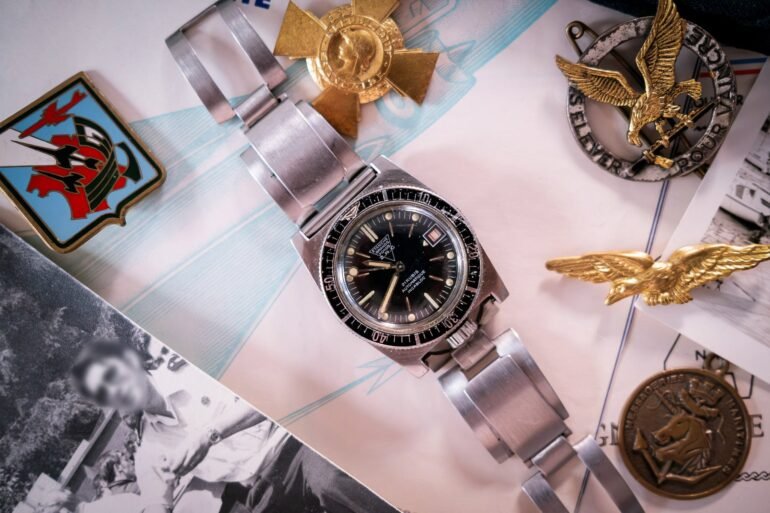
Welcome back to another installment of Back to Basics, our series aimed at newcomers to the watch hobby. This time, I will share some tips on how to evaluate a vintage watch and avoid buying a dud. This article is aimed particularly at those looking to buy their first vintage watch. As always with Back to Basics, though, I invite our more seasoned readers to share their insights in the comments section below. Let’s make this as valuable to newcomers as we can!
I will not go into specific vintage watches and their idiosyncrasies. Once you have a brand and model in mind, the internet is full of valuable model-specific resources. Instead, I aim to equip you with a healthy, critical eye and mindset with which to approach the challenge. Let’s get into it!
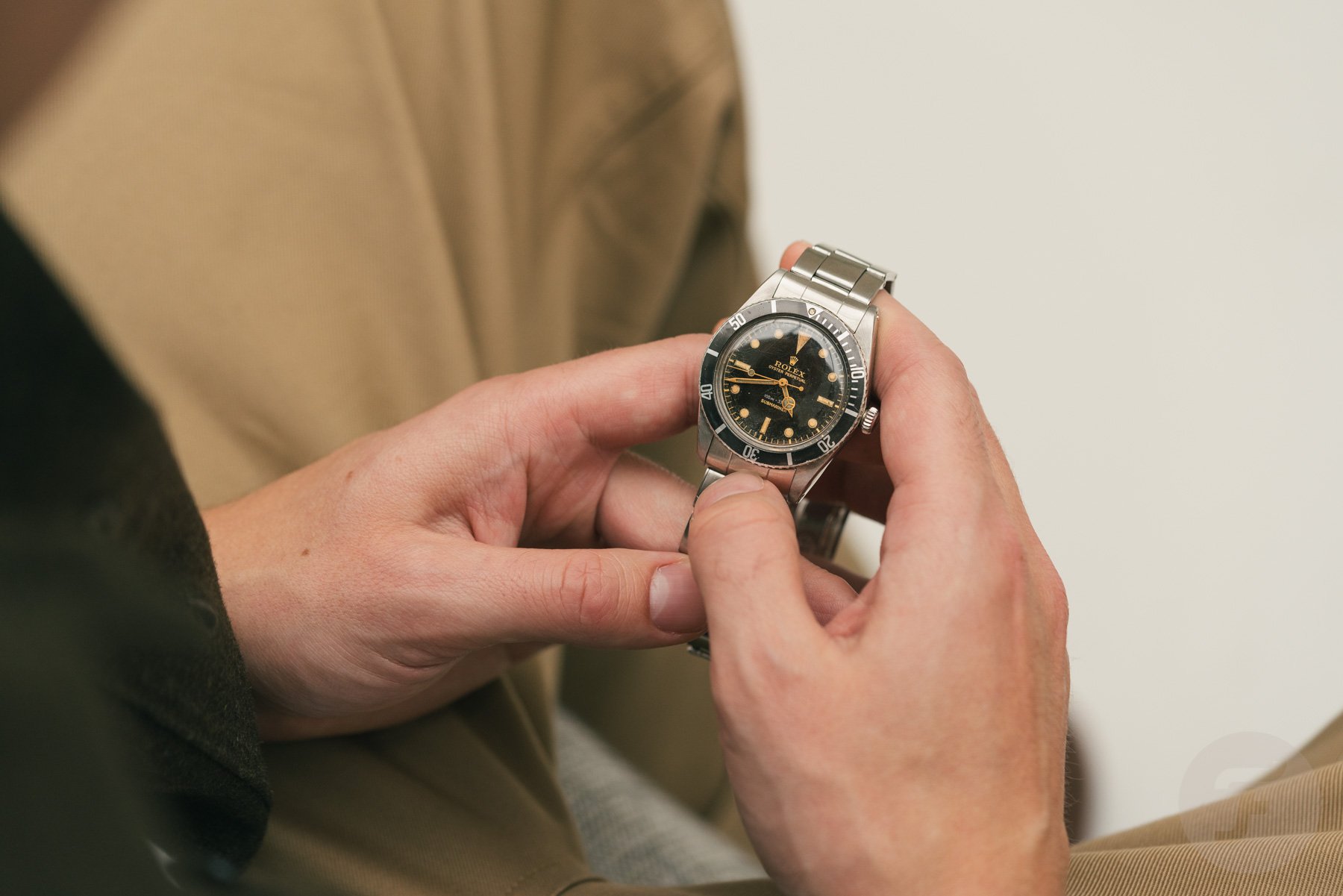
The right mindset to evaluate a vintage watch of your choice
Most articles of this kind aim to teach you the museum curator’s mindset. When you evaluate a vintage watch that way, you try to spot the tiniest of issues as if you were running the quality control department at A. Lange & Söhne. Let me pop that bubble for you: that’s no way to have a good time…at all.
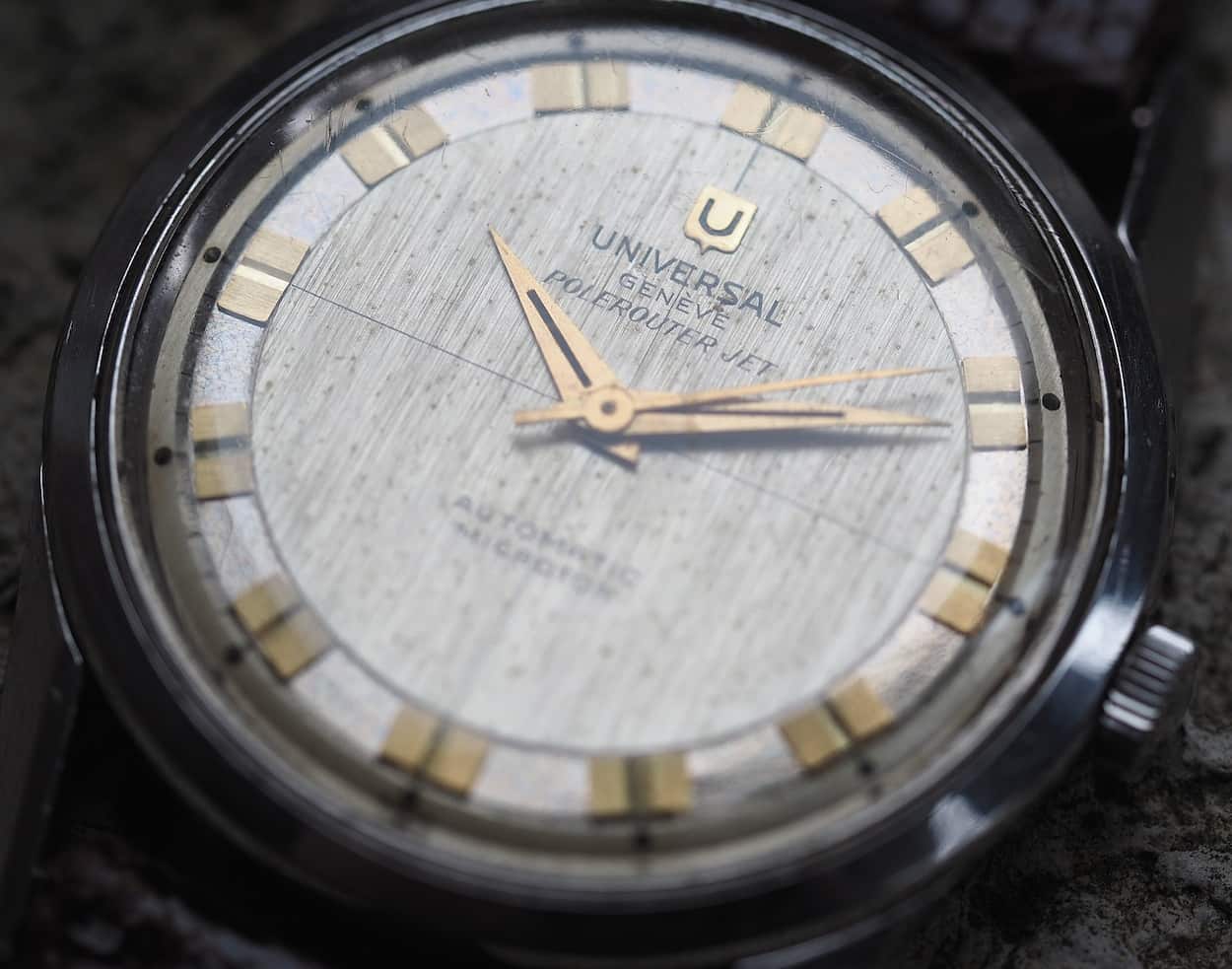
Especially when making your first forays into vintage watches, you need some leniency. I would advise novices to stick to the lower price segments while developing their eye. The simple truth is that museum-grade vintage watches don’t exist there. Unless you stumble upon a unicorn “barn find,” any affordable vintage watch will come with some compromises. I simply wish to equip you with the knowledge needed to pick the compromises of your choice and avoid the others.
As a former vintage dealer, I vividly remember customers coming in for their first vintage watch. Many of them were armed to the teeth with (internet) knowledge and preparation. When I showed them a watch, they would immediately pull out a loupe and start pointing at “faults”. While that might make (some) sense when buying an ultra-rare Patek Philippe model, it doesn’t make much sense when you are shopping for a nice Longines dress watch to start with. Allow me to elaborate.
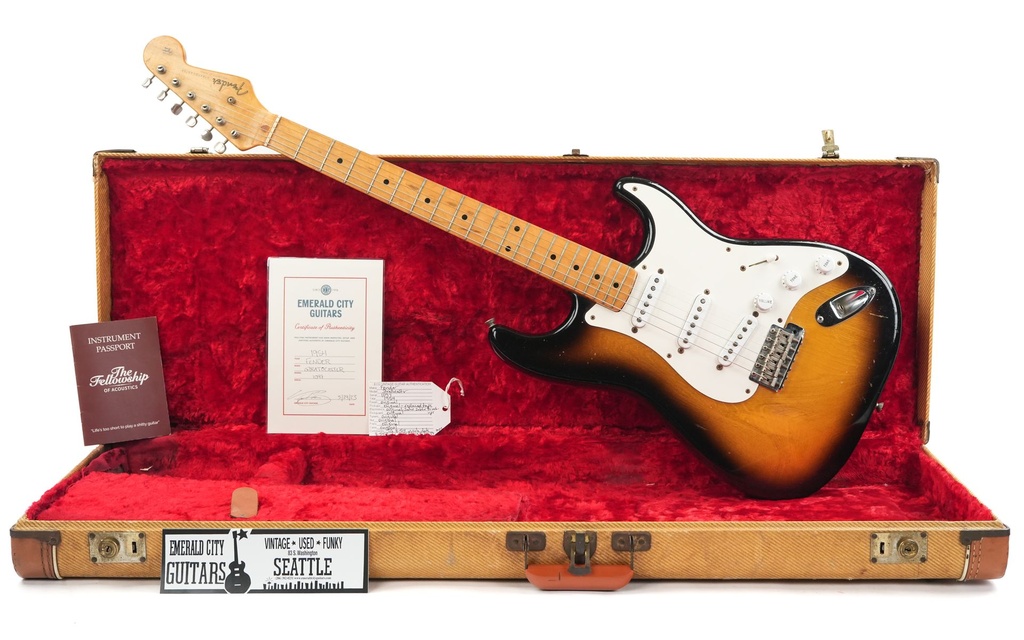
As close to an investor-grade Fender Stratocaster from 1954 as they come — Image: The Fellowship Of Acoustics
Player-grade versus investor-grade
I can illustrate the point by comparing vintage watches to vintage guitars. The world of vintage guitars divides its offerings roughly into two categories — player-grade and investor-grade. Investor-grade guitars are in their original configuration and great shape. The lacquer is original and perhaps checkered by weather, but it lacks the worn-out spots that come from regular playing. The body does not show any signs of repaired cracks or dings/scratches. Basically, the best investor-grade guitar is one that sat in its case for decades.
A player-grade vintage guitar, meanwhile, has been thoroughly played. It will show signs of wear, it will come with repairs from decades of being on the road, it may be resprayed, and it may have had a neck reset and refret. In short, such a guitar has lived the life of a guitar, and it shows it.
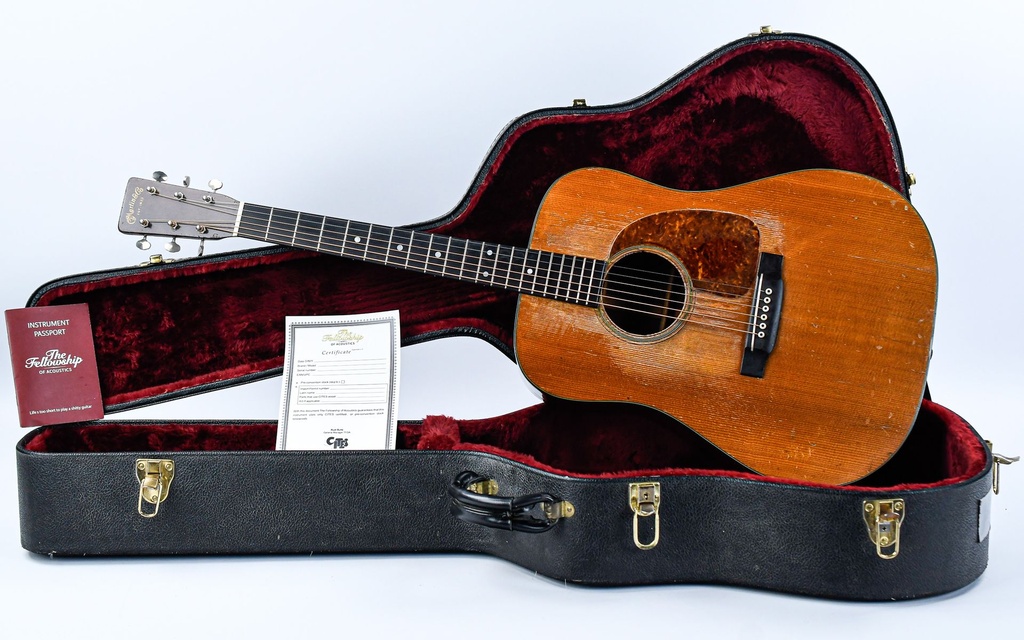
A stunningly vibey player-grade 1946 Martin D18 — Image: The Fellowship Of Acoustics
Now, guess which of these you will spot in the arms of your greatest guitar heroes. Indeed, it is the player-grade guitars. For reasons I won’t get into here, these tend to sound and play better, and they even come with friendlier price tags. Naturally, picking such a guitar comes down to vibe. Does it inspire you to play? Do you like the sound? Do you enjoy the way it shivers against your chest and belly? An investor, meanwhile, takes a loupe to the lacquer to identify if it is indeed the original coat of nitro. Those are wholly different approaches to a purchase. When you want to evaluate a vintage watch as a novice enthusiast, you need to adopt a player-grade mindset. If you don’t, you are very likely to get burned.
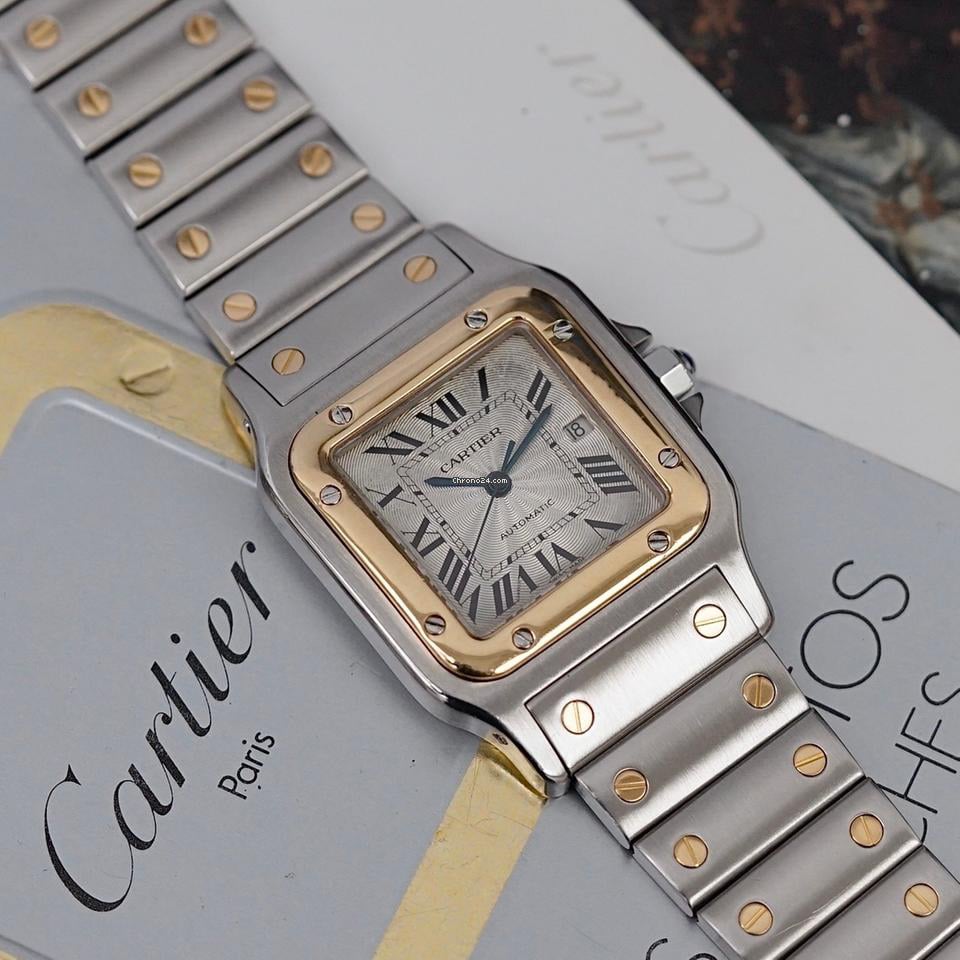
Image: Chrono24
How to evaluate a vintage watch: Configuration, condition, and set content
When I evaluate a vintage watch, I tend to look at three primary categories in a specific order — configuration, condition, and set content. Starting with configuration, this is where your preparatory model-specific research comes in. I take the specific reference and estimated year of production as a starting point. Next, I go over each part. Is this the expected part for this watch? Should this dial be in this watch? Does the handset belong with this dial? Is the crown original? Et cetera, et cetera.
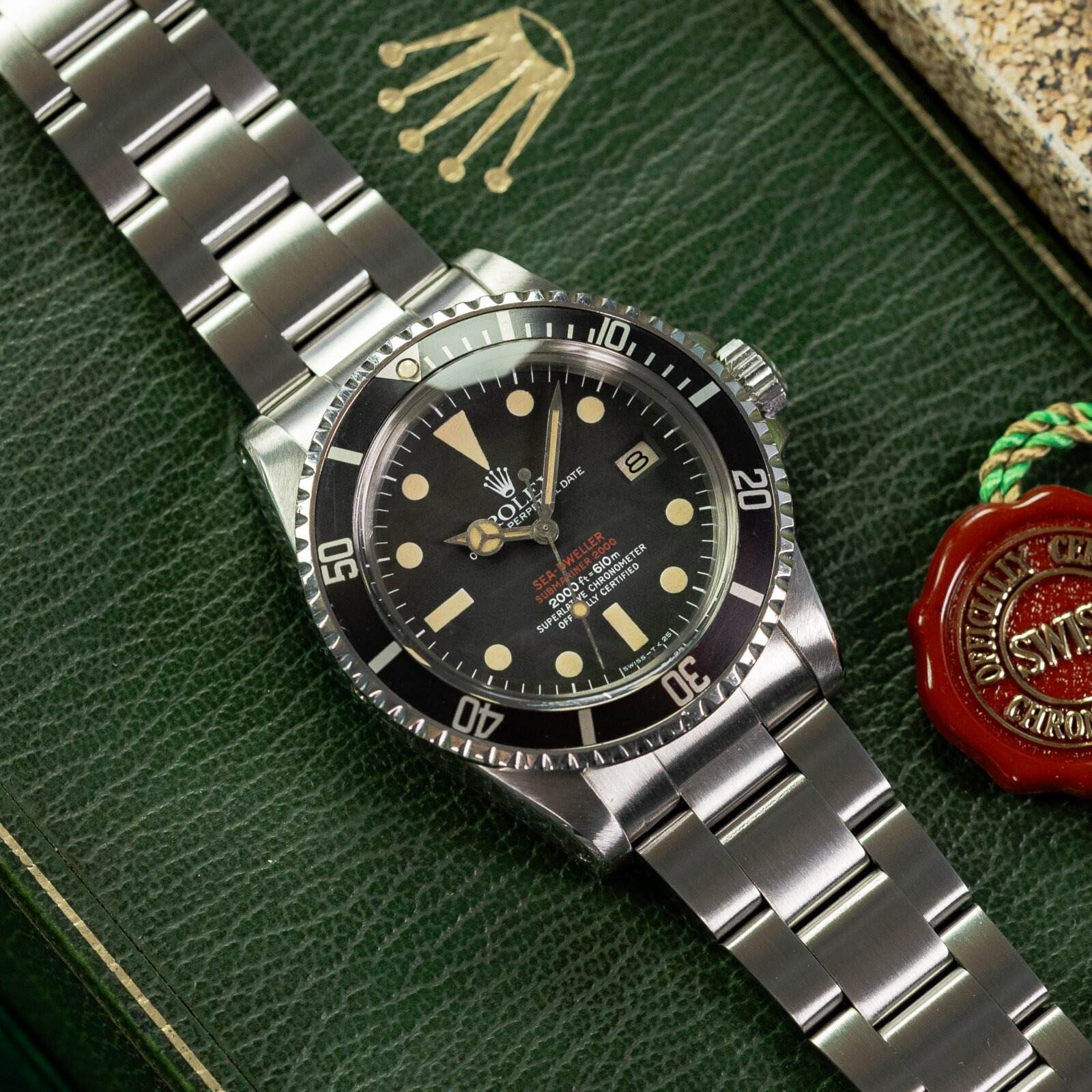
Rolex “Double Red” Sea-Dweller ref. 1655 — Image: Amsterdam Vintage Watches
Next, when I evaluate a vintage watch, I look at its condition. I start with the bigger picture: what is the overall condition of the watch? Does it appear hard-worn, refinished, damaged? Do all the different parts reflect the same condition, looking like they lived the same life together? Signs of aging are often called “patina” in vintage watches. When you evaluate a vintage watch, one crucial thing is whether you like the patina it shows. The dial may be completely tarnished or oxidized, but it might look all the better for it.

An Omega ref. 1450 bracelet from the 1980s — Image: Brussels Vintage Watches
Finally, I look at the set content. Does the watch come with its original bracelet? Do we have any of the original packaging and/or documentation still available? Does the watch come with a fresh service by a proper watchmaker? If so, is documentation available, and does it specify what was done?
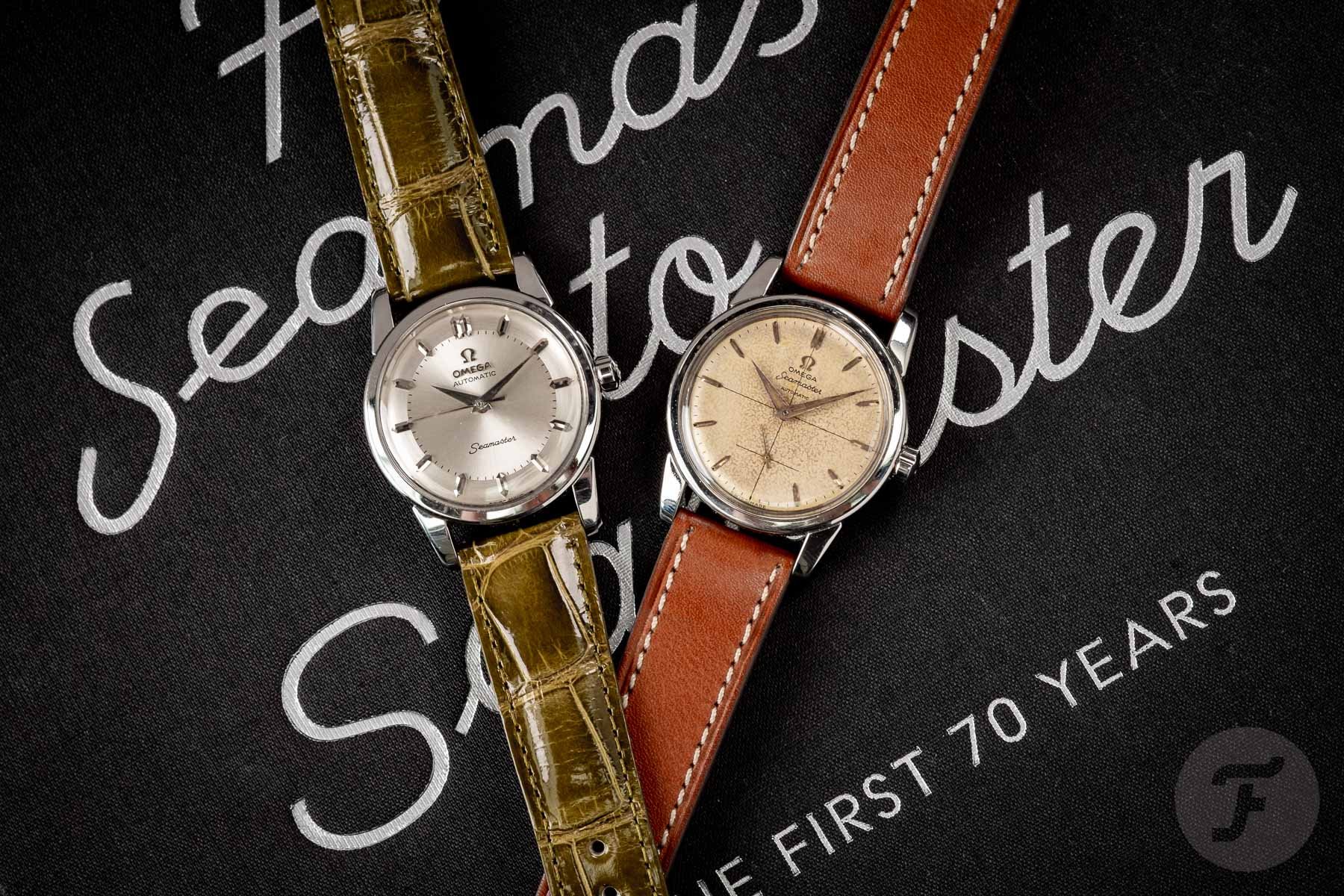
Spotting part swaps and restorations when you evaluate a vintage watch
The above leads me to the crucial point of spotting part swaps and restorations. Again, I can only offer broad ideas here, as this is very model-specific stuff that you will need to study before you buy. Let’s take two vintage watches that I own as a reference. Above, you see my two Omega Seamasters, both ref. 2846. One dates back to 1956, the other to 1958.
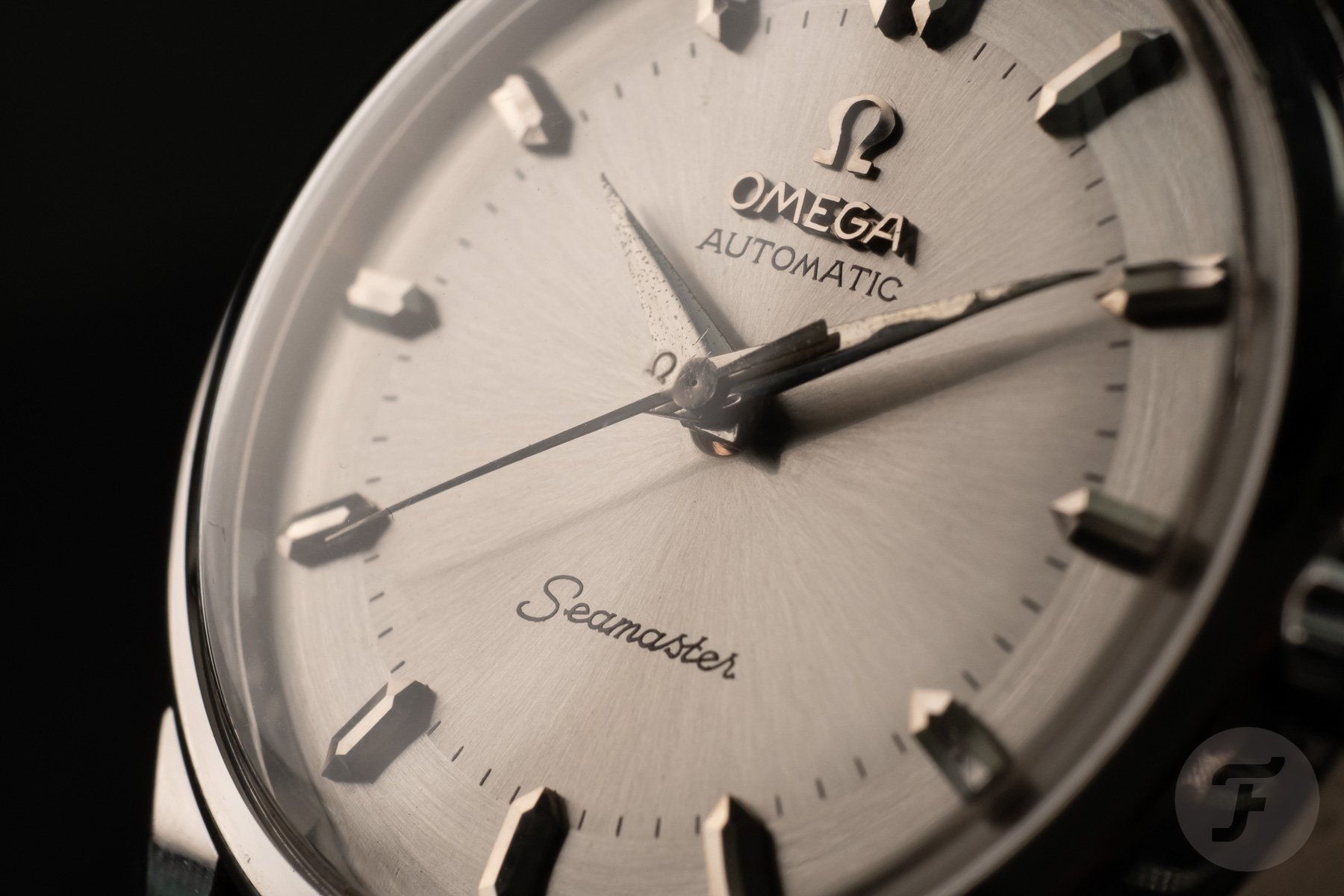
For starters, you will spot different configurations. These two variants have clearly different dial designs. Crucially, though, one shows a ton of patina (1956), most likely from radium burn from the original lume and some moisture ingress at some point. The other (1958) is ultra-clean. In fact, it looks too good to be true, doesn’t it? That’s because this dial was refinished. A very skilled watchmaker took the original lacquer (including patina) off and reapplied the markings and lacquer. The result looks almost new…because it is. The highly trained eye will spot slight imperfections in the typography, also pointing to a refinish. Fortunately, this one is done very well, but you will also find examples with awfully bad line and text work.
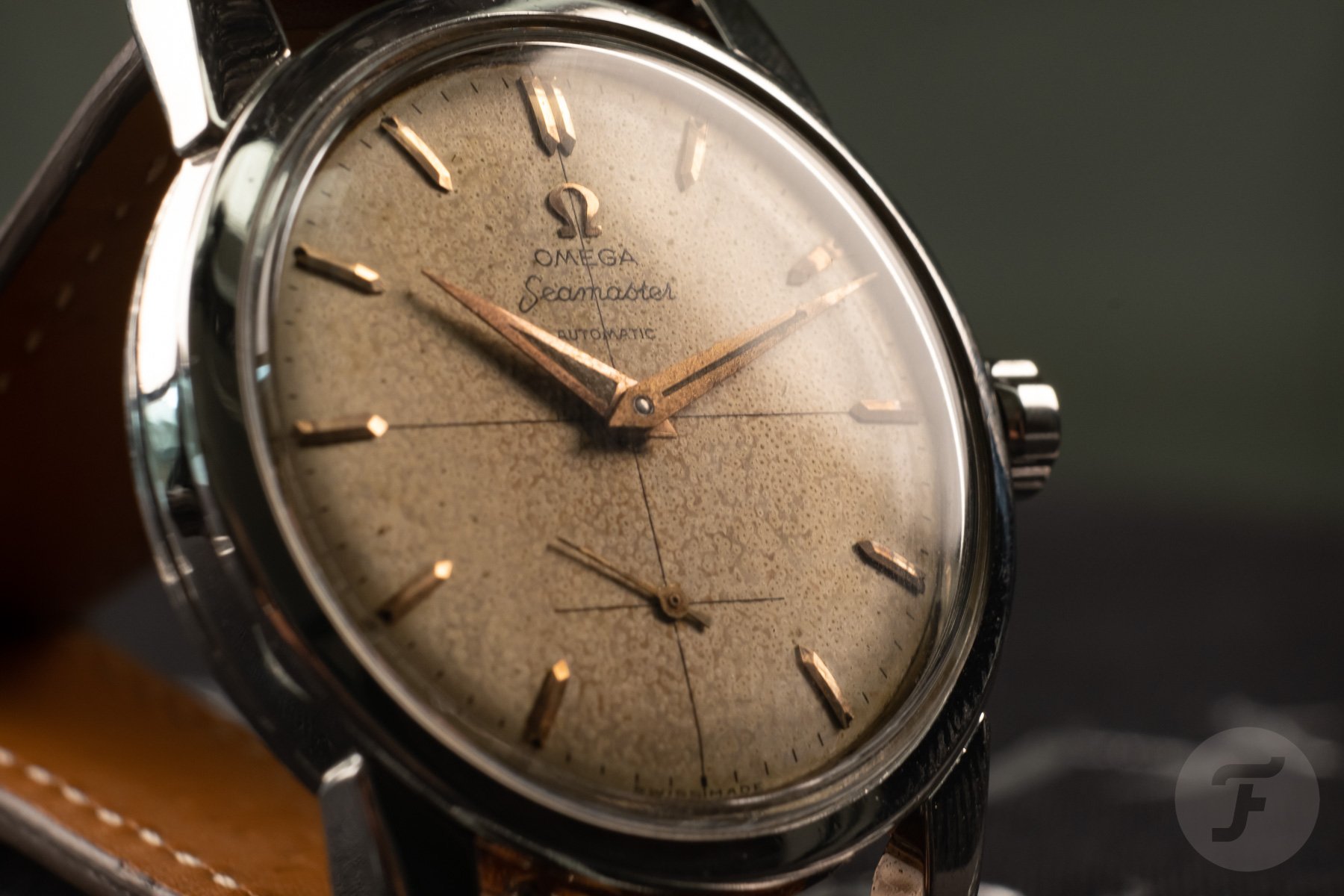
The heavily patinated one shows how hard it can be to spot such restoration work. Its dial may be fully original, and the hands appear to match the dial perfectly. The hands have been refilled, though. I know this because I asked my watchmaker to do it and watched him as he did. He carefully blended a non-luminous compound to the exact right hue and filled the hands. Even experts will struggle to spot that it isn’t original. A Geiger counter will reveal that it is no longer a radium-based compound, though. Similarly, the case looks too perfect for the dial, and at the same time, a bit rounded off. This points to a refinished case.
How to apply these ideas to your first vintage watch purchase(s)
As you can see, my two Seamasters are what we would call “player-grade” watches. The one from 1958 might trick you into thinking it’s an investor-grade watch, but as you have seen, it isn’t. The upside is that I can wear these two watches intensively, without worry. And isn’t that what they were made for in the first place?
Image: Vintage Masters
Knowing this stuff makes you less likely to buy something bad at an unreasonably high price. Rest assured, the world is filled with dealers looking to sell you player-grade watches at investor-grade prices. Still, knowing all of this doesn’t mean you have to be a purist about it. I love my two imperfect Seamasters. I wouldn’t trade them for more perfect examples if I could. Why? Because I happen to like them exactly as they are. Still, some basic knowledge kept me from buying duds. As a typography geek, for instance, I cannot stand a poorly refinished dial with shoddy fonts. As you can see, it is all about picking your battles.
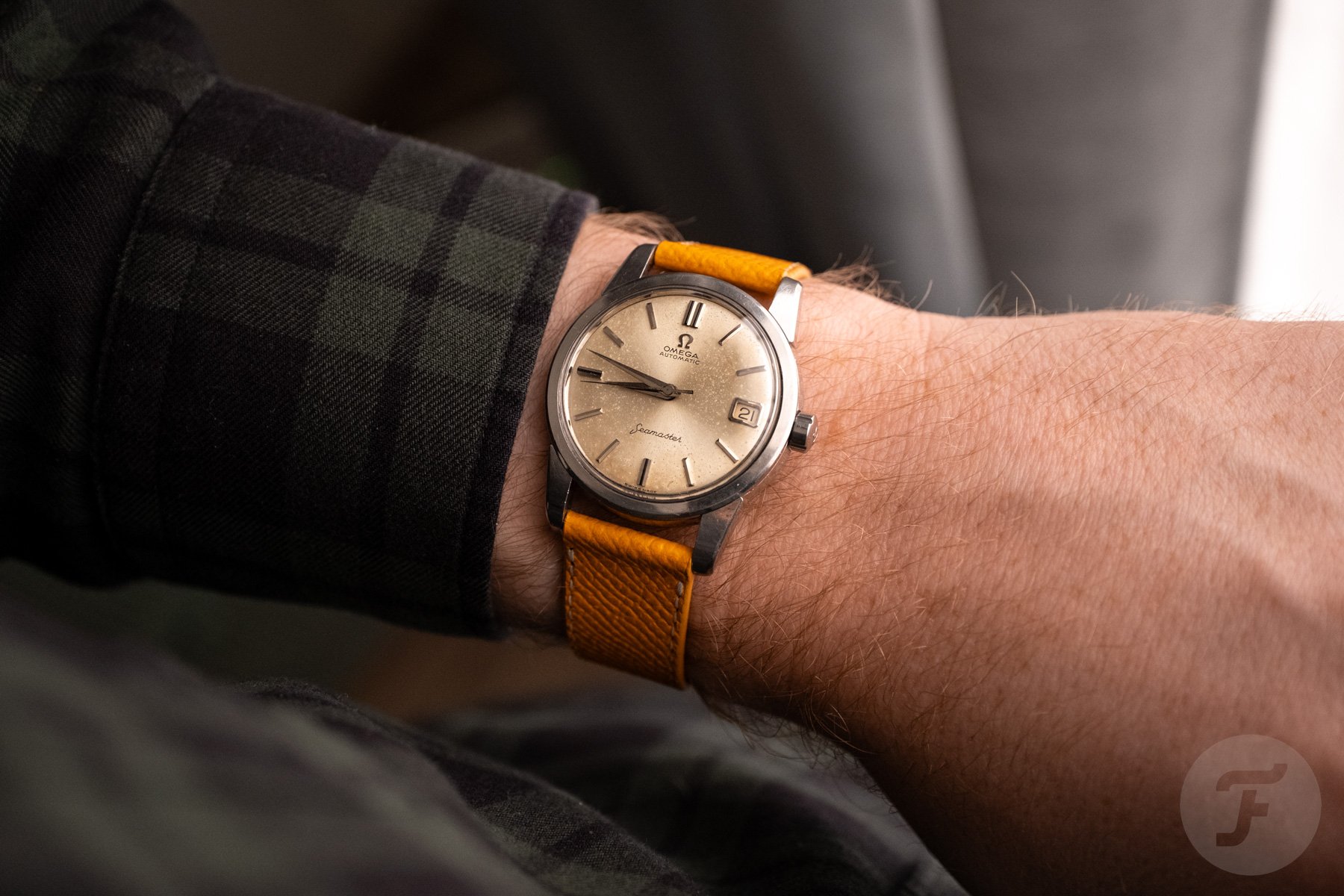
Coming back to the guitar world, we can learn something from big players playing player-grade guitars. In the end, you just have to vibe with it, and it has to put a smile on your face. If you pick one with the right imperfections, you will come to love those imperfections. It pays to know how to evaluate a vintage watch properly, but it also pays to know when to be critical and when to be lenient. And with that, all I have left to say is “happy hunting!”
What other tips can you share to help newcomers evaluate their prospective vintage watches? Let us know in the comments below!
Thomas Van Straaten
2026-02-11 10:00:00