
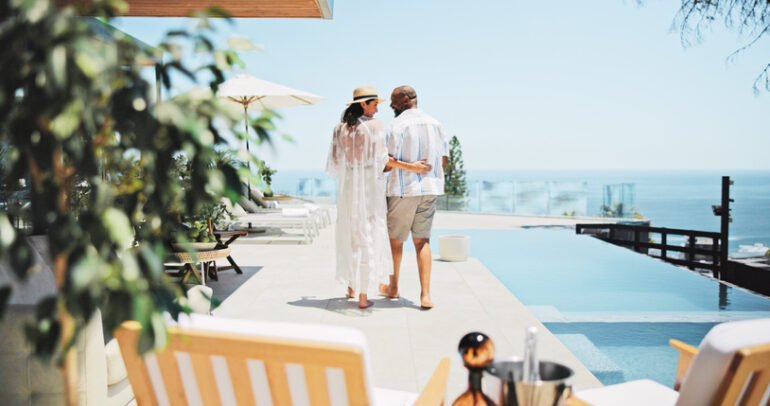
Boutique has become a bit of a bad word in hospitality. It has meaning; it has value; it’s been dangerously overused in the past few years. Then as the big chains rushed in with soft brands to slice and dice various ‘independently spirited’ traveler personas, we now have the appropriate portmanteau ‘fauxtique’ to describe this trend.
Everything in these fauxtiques is marked as craft or local. These hotels strive to create vibey lobby bars with ‘signature’ cocktails (otherwise known as an espresso martini using tequila instead of vodka) and cafés serving all nut milks imaginable. Heck, even their bellhops are wearing corduroy and suspenders with moustaches and beards so well groomed you’d think they went to university to study facial hair management.
This is a satire, sure. Admit it, though: like us, you’re guilty of rolling your eyes and picturing just this scene when reading some of the latest hotel announcements in the trades. It’s now 2026, and we’re all fatigued by fauxtique.
Bona fide boutique hospitality, on the other hand, is praised and much sought after by many guest segments, but it’s rarely done in a way that spurs superlative brand advocacy as well as above-benchmark profitability for owners. The magic formula depends on many factors but one hallmark of service stands out as an essential, and often overlooked, ingredient, and this offers a vital lesson for hotels aiming to position themselves as boutique and for those developers who are planning to build towards this category.
Boutique falters above around 80 keys because beyond that point your team gets too big to the point where a single associate is unlikely to have repeated contact with a guest over their two-to-four night length of stay. It’s a bit arbitrary as we’ve gleaned through our own worldwide travels and asset management within this niche…and we’re open to being proven wrong!
Even 80 rooms is generous; the real sweet spot is between 50 and 65 keys because this range allows for multiple interactions between a guest and a team member while also not dipping too low in room count wherein the total revenues struggle to cover undistributed operating expenses (with exception being ultraluxury).
The first interaction is always cordial and professional. But on the second encounter, however ordered or serendipitous in one of the hotel’s public spaces, the guest’s guard goes down, enabling a genuine conversation to transpire and personal details to come out. Passion is what allows this second chat to seed the inklings of a friendship; seasoned training is what will facilitate anticipate service and any sort of ‘surprise and delight’ on the third or fourth encounter.
All this only happens if there’s repeated exposure between both parties – something that’s not probable with a large gross floor area and high headcount that’s endemic to a bigger property in the triple-digit key count.
It comes down to staffing. Boutique hotels derisk by wholly understanding the hidden costs linked to high turnover: recruitment, onboarding, skill gaps, loss of leadership and, riskiest of all, an inability to properly service guests beyond just being responsive. These hotel gems prioritize their teams’ wellbeing through satisfying their needs for community, continuing professional development and financial security.
All hoteliers intrinsically know that happy associates equal happy guests, but it’s the last of these three pillars that echoes through to give a real boutique its charm. Yes, this does imply wages above market pay scale, but more so it’s about keeping a lean team and giving each associate as many shifts as they need and flexibly so. You want to enable those second, third, fourth and fifth encounters where guests and teams not only recognize each other but are comfortable enough to go beyond mere pleasantries.
But aren’t design, dining, wellness and other elements important for boutique hotels, too? Of course! These elements are not, however, what most often endears the average traveler to one hotel in particular versus a brand or destination as a whole.
Numerous properties around the world have sound operational playbooks to match great indoor spaces and amenities. That’s not necessarily what wins you strong word of mouth and repeat stays – outcomes that drive profitability.
Instead, it’s when guests felt truly seen and heard, and the best way to accomplish this is to engineer situations where there’s enough time for your teams to get to know each and every guest that comes onsite. That’s a timeless lesson from successful boutiques, with your challenge being how you can replicate that for whichever shape, size (below or even above 80 keys) or organizational structure your company operates within.
Adam Mogelonsky and Larry Mogelonsky
2026-06-24 09:33:00