
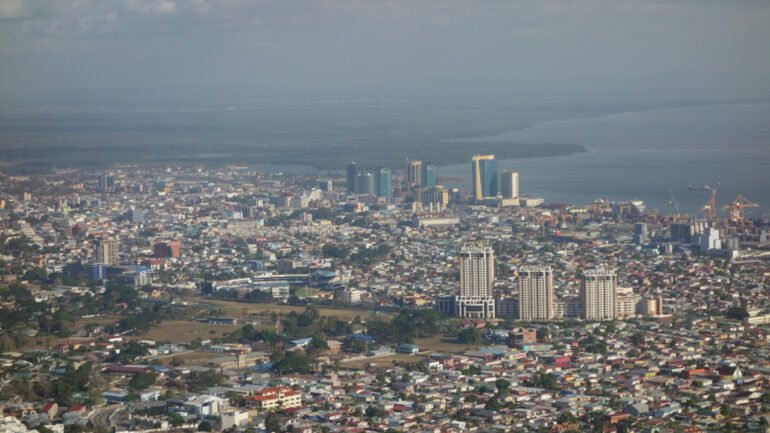
A nonstop flight to one of the most underrated destinations in the Caribbean is sitting at a notable rate heading into the heart of summer.
United Airlines currently has roundtrip nonstop fares from Newark Liberty International Airport to Piarco International Airport in Port of Spain starting at $335, according to what we found on Google Flights. That covers a Wednesday-Tuesday trip from June 25 to July 1.
The flight time on the EWR-POS route runs about five hours and 13 minutes — a meaningful but manageable hop, and one of the few nonstop options into Trinidad from the New York metro area.
United operates the route nonstop as part of its growing Caribbean network out of Newark, with the fare currently coming in well below the typical summer pricing into Trinidad and Tobago. Travelers booking Basic Economy fares should factor in carry-on and seat selection restrictions; the main cabin fare typically runs slightly higher but unlocks the standard benefits.
Why Trinidad
Trinidad is one of those Caribbean destinations that does not get talked about nearly enough — and that is exactly part of its appeal.
The southernmost island in the Caribbean, sitting just off the coast of Venezuela, Trinidad is the larger and more cosmopolitan half of the twin-island nation of Trinidad and Tobago. It is the cultural and commercial heart of the country, home to Port of Spain, a city with a deeply layered identity built around its African, Indian, European, Chinese, Middle Eastern and Indigenous heritage — one of the most diverse cultural mosaics in the Caribbean.
That diversity is what makes Trinidad unlike anywhere else in the region. The country is the birthplace of steelpan, calypso and soca, and the home of one of the largest and most spectacular Carnival celebrations in the world. The food is some of the most distinctive in the Caribbean. The natural side of the island runs from the Northern Range rainforests to the Caroni Swamp (home to the scarlet ibis, the national bird) to the famous turtle-nesting beaches of the Grande Riviere coastline.
It is, in other words, a destination with a remarkable amount packed into a small island — and the late-June/early-July travel window lines up well with the country’s quieter summer season, after the post-Carnival rush and before the peak holiday weeks.
The Food Is the Headline
If there is one reason to plan a trip around Trinidad specifically, it is the food.
The country has one of the most celebrated culinary cultures in the Caribbean, built on a fusion of African, Indian, Creole, Chinese and Middle Eastern influences that has produced a roster of dishes that exist nowhere else in the region.
Doubles is the dish to lead with. Two soft, fried bara flatbreads sandwich a generous scoop of curried chickpeas, then get topped with tamarind sauce, cucumber chutney, mango chutney and pepper sauce. It is the national street food, eaten at all hours, and the best versions are sold out of small stands and roadside vendors across Port of Spain — many of them with cult followings.
Corn soup is the second essential. A thick, creamy, deeply spiced soup made with corn on the cob, split peas, dumplings and a generous hit of pepper, it is the late-night and post-fete staple of choice across the country, sold from streetside cauldrons by vendors who often have been working the same corner for decades. It is one of the most distinctive comfort foods anywhere in the Caribbean.
Beyond those two, the lineup runs deep. Roti — flaky, griddled flatbread wrapped around curried potato, chickpea, chicken, beef, goat or seafood — is a staple of every weekend and every meal that needs to satisfy. Bake and shark, the fried-bread-and-fried-fish sandwich loaded with herbs, sauces and toppings at a beach bar at Maracas Bay, is one of the great Caribbean beach foods. Pelau (a one-pot rice, pigeon peas and meat dish), callaloo (a leafy green stew built around dasheen leaves) and buss-up-shut (a torn paratha-style roti served with curries) all anchor the home-cooking tradition.
The dining scene in Port of Spain has also gotten significantly more interesting in recent years, with restaurants like Chaud, Aioli and The Verandah turning out modern Trinidadian cooking that draws on the country’s full cultural repertoire. The bar scene, meanwhile, is built on rum — Angostura is a Trinidadian institution — and one of the most lively after-dark cultures in the region.
Where to Stay
The hotel of choice in Port of Spain is the Hyatt Regency Trinidad.
Sitting on the waterfront in the heart of downtown Port of Spain, the Hyatt Regency Trinidad is the most recognizable luxury hotel in the country and the de facto home base for international travelers visiting the capital. The property has 428 rooms and suites, with floor-to-ceiling windows that look out across the Gulf of Paria or back over the city toward the Northern Range mountains. The rooftop pool, with its sweeping views over the harbor, is one of the most photographed in Port of Spain.
The hotel’s location is one of its strongest assets. It sits within walking distance of the International Waterfront Centre, the central business district, the bars and restaurants of the Movietowne entertainment complex and a short drive from Queen’s Park Savannah, the massive open park that anchors the city. It is also the official conference hotel of choice for most major business and cultural events in Trinidad, including much of the Carnival programming.
For families, business travelers and first-time visitors alike, it is the most practical and most comfortable home base in the country.
Beyond the Hyatt Regency, the broader hotel lineup in Trinidad includes the Hilton Trinidad and Conference Centre, Kapok Hotel (a long-running independent favorite in the Maraval neighborhood), the Brix Hotel, and a growing handful of boutique guesthouses across Port of Spain and Tobago.
The Timing
The late-June fare lines up well with one of the more compelling value windows of the year for Trinidad.
Summer is one of the quieter travel seasons in the country, with Carnival in the rearview mirror (held in February or March) and the major Tobago Heritage Festival and Emancipation Day celebrations on the horizon for July and August. It is a strong window weather-wise — warm, with the Caribbean rainy season starting to settle in but not yet peaking — and one of the better moments to experience the country’s everyday culture rather than its peak-season crowds.
The pairing of a $335 nonstop fare with one of the most distinctive food and culture destinations in the Caribbean is one of the more compelling values out of the New York metro area right now.
A week in Trinidad in late June, on United, for under $400 in airfare — paired with a stay at the Hyatt Regency Trinidad — is the kind of trip the Caribbean delivers when nobody is paying attention.
Caribbean Journal Staff
2026-05-30 14:08:00