

Another week, another Sunday Morning Showdown. We hope you are enjoying some well-deserved time off and a good weekend breakfast. Lean back in your chair, folks, because we have a proper heavyweight bout scheduled for you! This week, we pit two stainless steel perpetual calendars with integrated bracelets and blue dials against each other. Thomas represents the new Jaeger-LeCoultre Master Control Chronometre Perpetual Calendar. Nacho, meanwhile, puts forward last year’s IWC Ingenieur Perpetual Calendar 41.
This is about as apples-to-apples as our showdowns come. After all, both contestants trace their roots to 1970s originals, both feature integrated bracelets and blue dials, and both run that most desirable of complications, the perpetual calendar. The IWC retails for €40,900 and the JLC for €47,800. While that represents a significant price gap, the difference is unlikely to be decisive for those ready to fork out this kind of money on either contender. If you are looking for a sporty integrated-bracelet QP with a blue dial, these are directly at each other’s throats.
But first, last week’s Sunday Morning Showdown
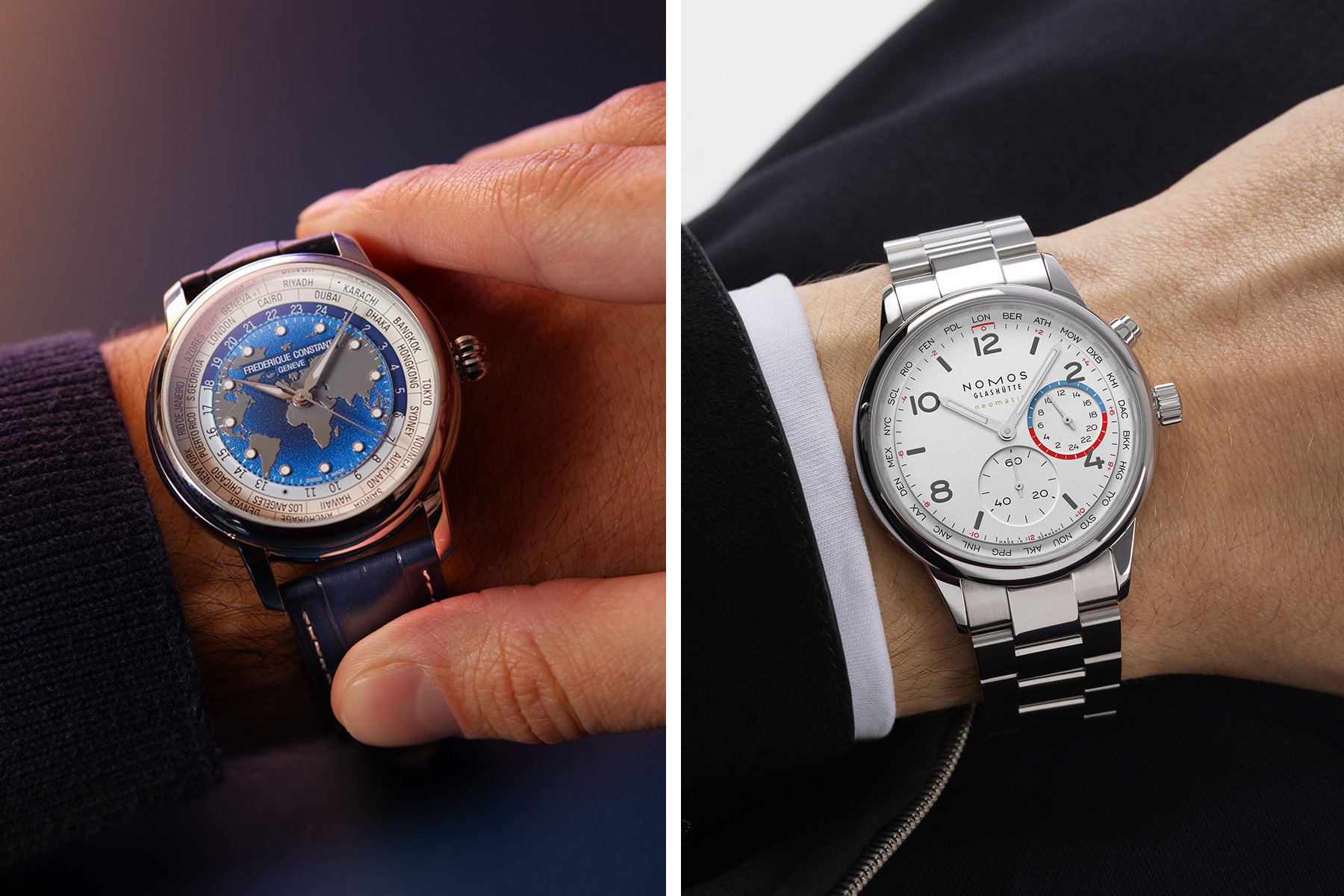
Before we set these moguls loose in the ring, we have to briefly revisit last week’s showdown. Jorg and Mike pitted the white-dial Nomos Club Sport Neomatik Worldtimer against the refreshed Frederique Constant Classic Worldtimer Manufacture. Both debuted at Watches and Wonders 2026 and feature multi-timezone functionality.
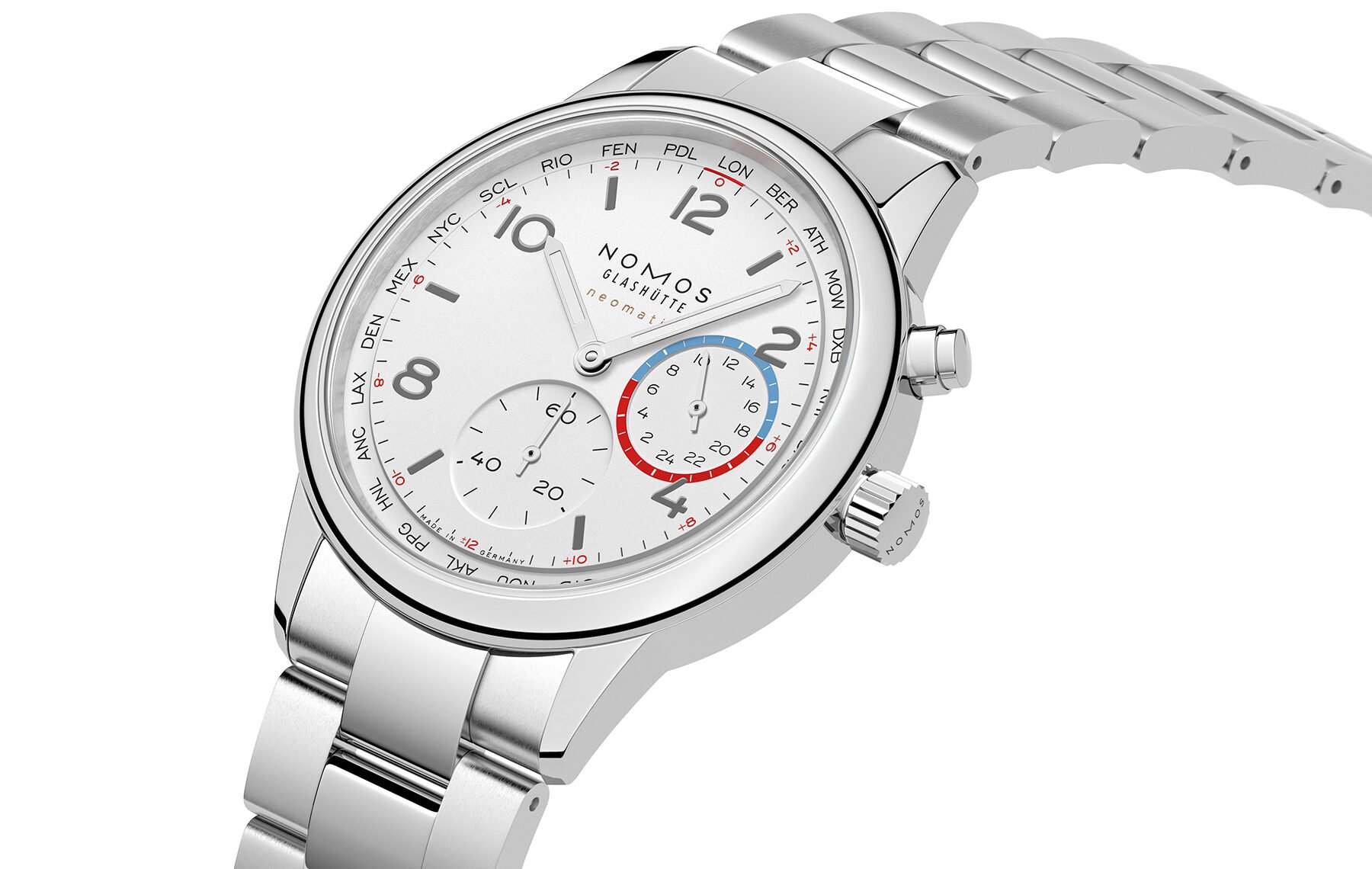
You voted, and boy, it was not even close. A whopping 73% of the tally went to the Nomos. That’s about as clear as our Sunday Morning Showdowns can be.
The comments section unearths a broad range of motivations for picking one over the other. Many of you preferred the Club Sport Neomatik Worldtimer’s clean design. Some weren’t keen on seeing a map on their watch. Others, meanwhile, deducted points from the Nomos for not being a true worldtimer, as it does not display 24 time zones simultaneously. Still, the result could hardly be clearer. Let’s see if today’s battle yields similarly clear results.

Thomas: Jaeger-LeCoultre Master Control Chronometre Perpetual Calendar
Good morning, Fratelli! And good morning, Nacho! I don’t think you and I have ever faced off in a Sunday Morning Showdown. I can only assume that, as a proud owner of a Nomos Club Sport Neomatik Worldtimer, you feel confident after last week. Your luck might just change this week, as I have a seriously capable candidate in my corner. May the best integrated-bracelet, blue-dial perpetual calendar win!
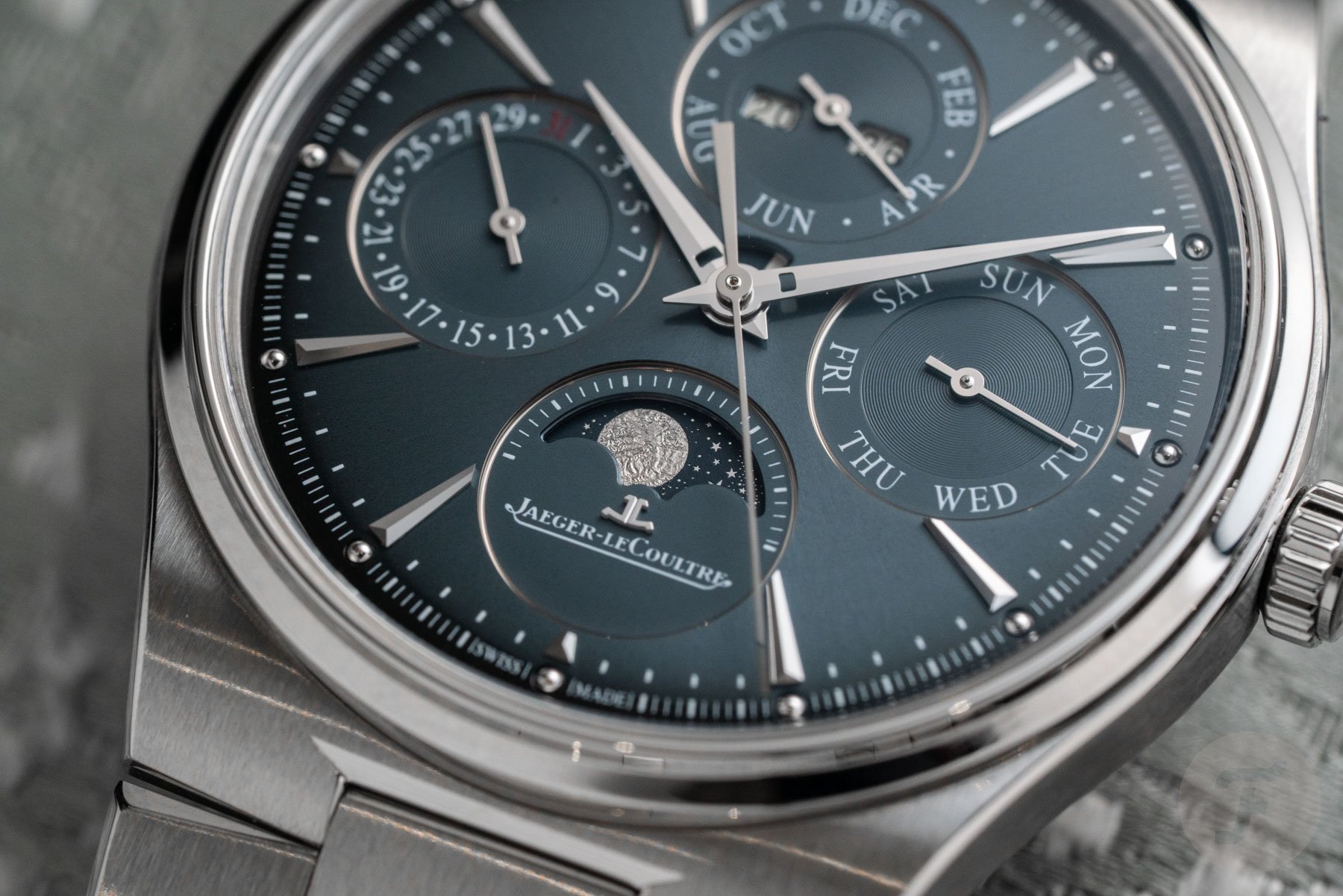
Today’s battle leaves me in absolutely no doubt about which is my favorite. I would pick the Jaeger-LeCoultre Master Control Chronometre Perpetual Calendar any day of the week. In fact, this is one of my favorite releases of this year’s Watches and Wonders. I think Jaeger-LeCoultre struck gold here, finally putting a potential new hit collection next to the all-consuming Reverso lineup. Naturally, the perpetual calendar will not be the biggest seller, but it does champion the line for now.
I shall build my case around one keyword today — refinement. The IWC is a nice watch, but the JLC adds refinement in almost every possible manner, from design and execution to proportions to finishing, and even in the movement architecture. Putting it all together, I reckon the Master Control Chronometre runs circles around the Ingenieur. I hope you, dear Fratelli, agree after reading my plea.
The Jaeger-LeCoultre Master Control Chronometre Perpetual Calendar wins from a watchmaking perspective
Okay, let me start with the pure watchmaking on display here. Starting with the slightly esoteric, “a Jaeger-LeCoultre perpetual calendar” already has a different ring to it than “an IWC perpetual calendar,” doesn’t it? That’s for good reason, as JLC is the watchmaker’s watchmaker and IWC…well…isn’t. Admittedly, this is a lame argument in isolation. However, you can see the effects in the two watches facing off today.
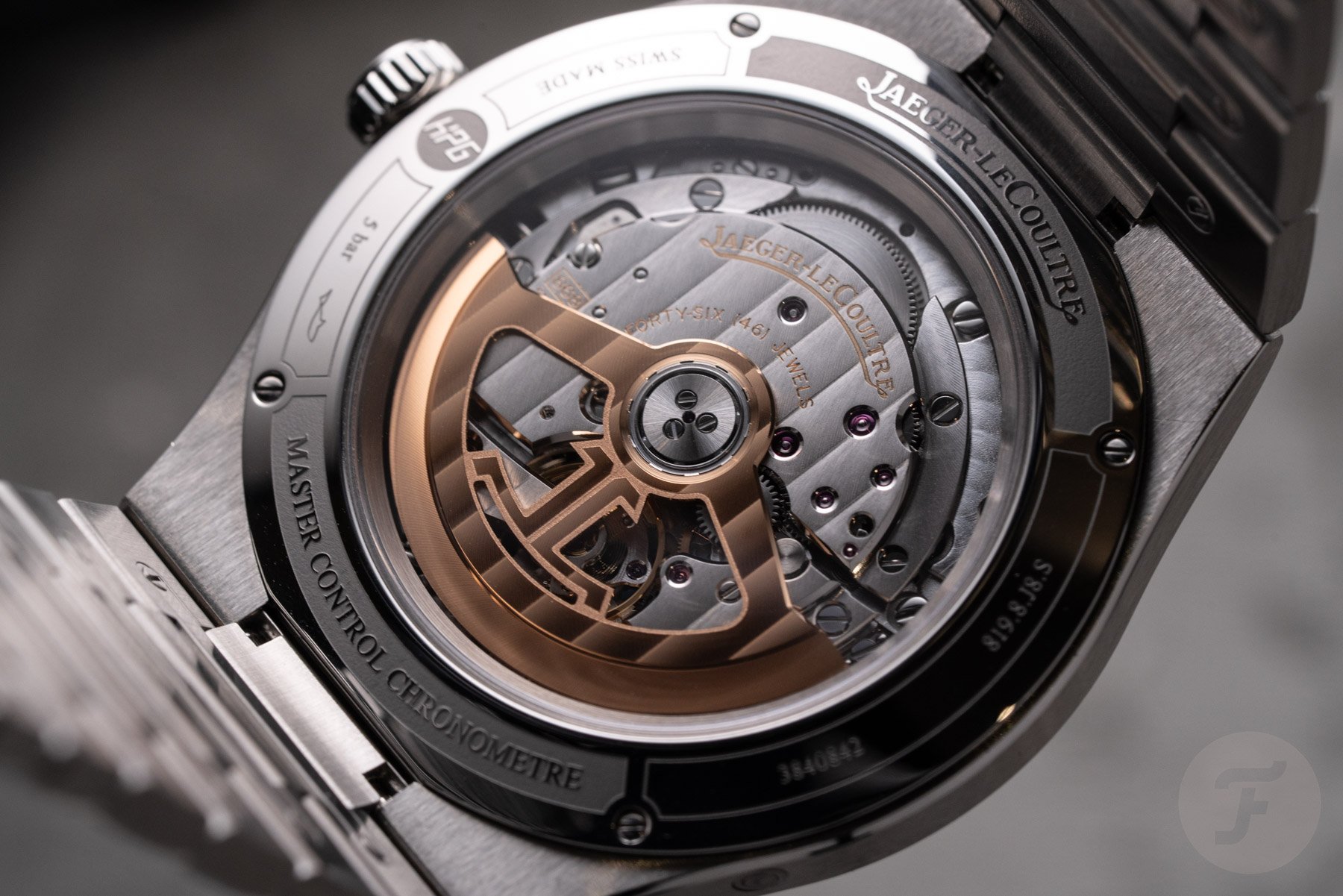
JLC’s caliber 868 is an automatic perpetual calendar movement from the ground up. IWC’s 82600, meanwhile, is a perpetual calendar module mounted to an automatic base movement. JLC proudly publishes the 868’s thickness as 4.72mm, which is deeply impressive. IWC, meanwhile, doesn’t mention the 82600’s thickness anywhere. That’s understandable, as the thinnest IWC watches housing this caliber measure close to 13mm thick. The Ingenieur we have here measures 13.4mm. The Jaeger-LeCoultre Master Control Chronometre Perpetual Calendar counters with a svelte 9.2mm.
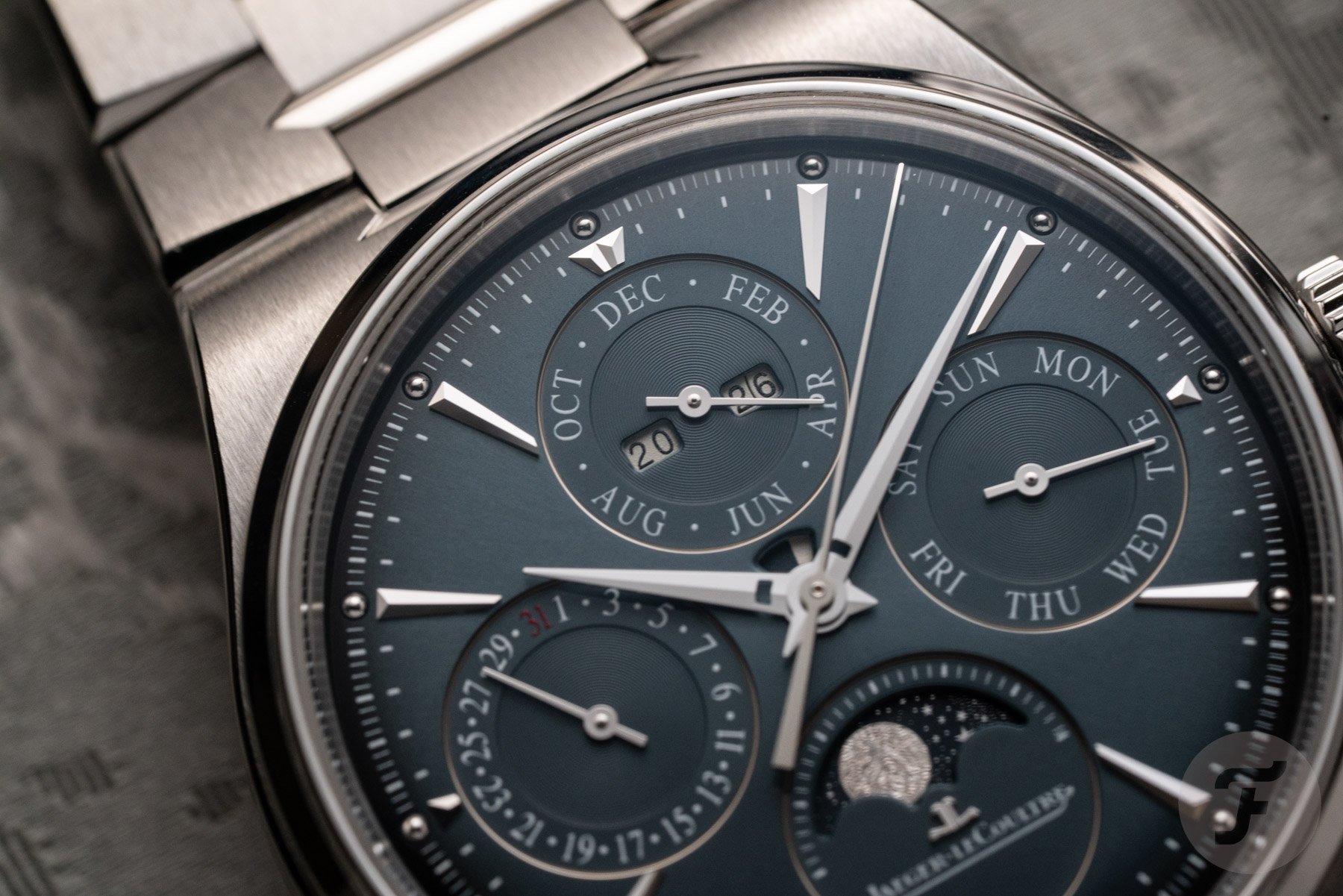
So, what do you get for your extra 4.2mm? Not much, really. Okay, I will admit that even if the IWC 82600 is modular, the integration is quite neat. After all, all calendar functions can be operated via the crown, while the JLC requires a pusher. Otherwise, the Master Control Chronometre Perpetual Calendar features a four-digit year display, greater power reserve, a neater layout, and higher-level finishing.
Design, execution, and proportions
I think we have established that the JLC caliber 868 is more refined than IWC’s 82600. The Jaeger-LeCoultre Master Control Chronometre Perpetual Calendar is more refined in almost every other sense as well. Starting with design, the Ingenieur Perpetual Calendar 41 appears clunky and awkward in comparison. The JLC’s design flows elegantly and subtly, while the IWC looks more rigid. One glance at that contrived, stamped dial pattern should suffice to grasp my point.
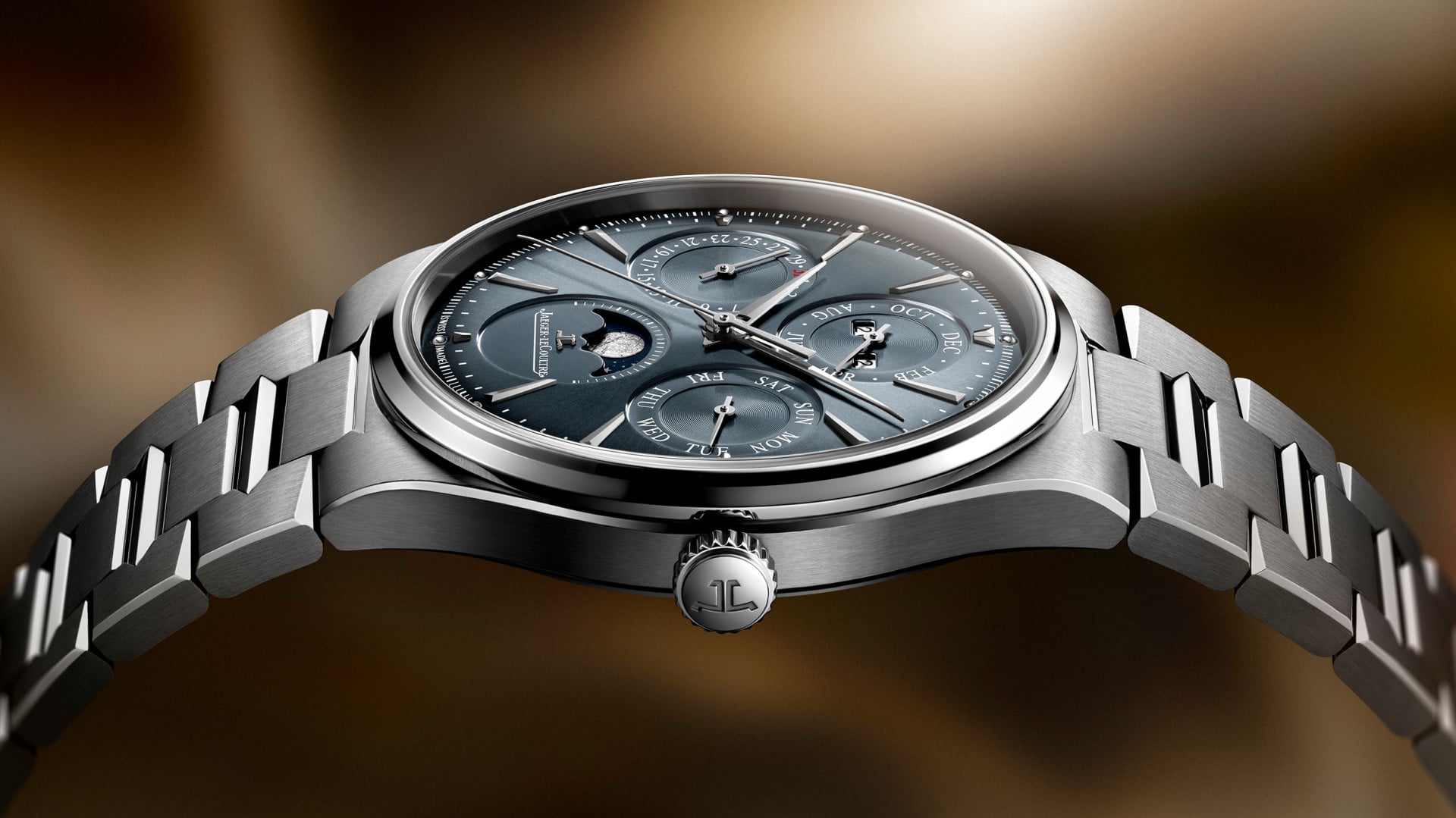
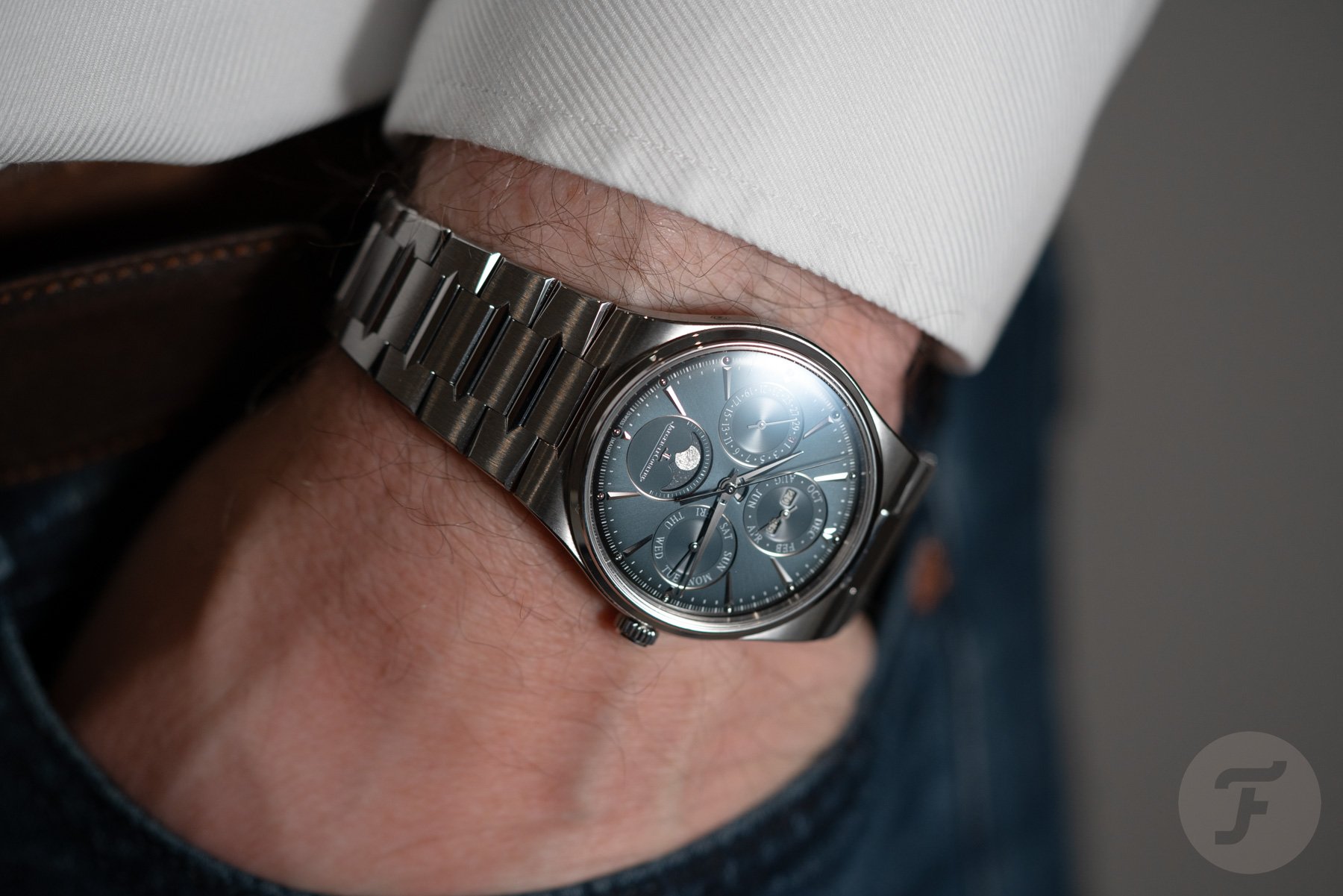
The Master Control Chronometre Perpetual Calendar, meanwhile, serves up all sorts of very clever refinements. Just look at that bracelet. It has an ever-so-slightly jarring complexity to it. It references its historic context but adds a unique touch that pulls us just a tiny bit out of balance, out of our comfort zone. That’s precisely where the mundane becomes brilliant. I also love the lack of quick-release. This is exactly how the watch is intended to be worn, and JLC is unapologetic about it. No caving to spec-obsessed keyboard warriors; just build it how it is supposed to be and stand for it.
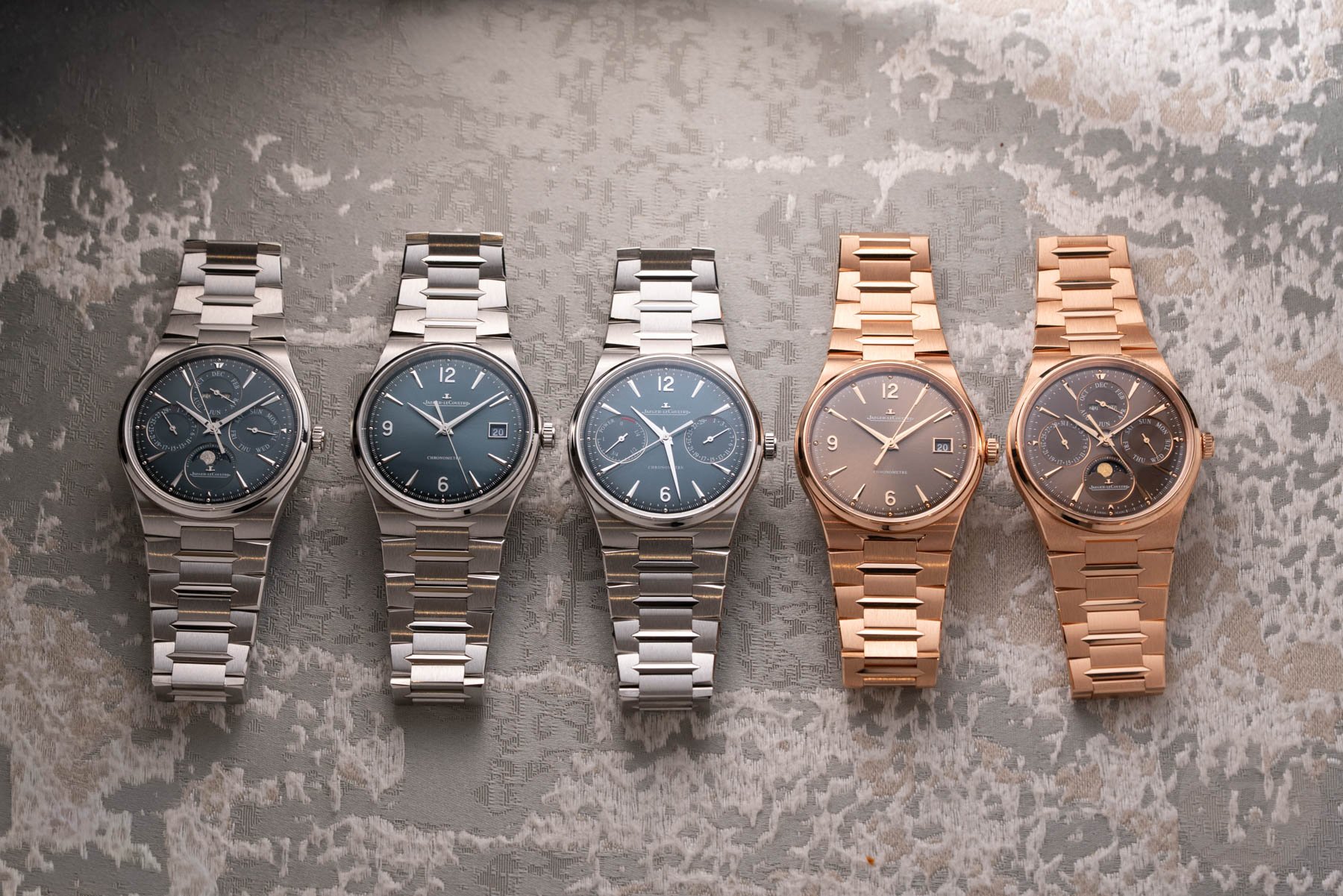
Additionally, I feel the Master Control Chronometre Perpetual Calendar is on another level in terms of construction and finishing. I have always been disappointed with how the Ingenieur looks and feels in hand. Admittedly, I haven’t yet handled the JLC, but I did get a chance to inspect it up close. Its finishing appears, again, more refined and luxurious. Last but not least, let me touch upon proportions. With a 39 × 9.2mm case, the JLC is simply much, much more elegant than the 41 × 13.4mm IWC. All in all, the Jaeger-LeCoultre Master Control Chronometre Perpetual Calendar is my very clear winner. Okay, I will leave it at that. Tell the good people why I got it all wrong, Nacho!

Nacho: IWC Ingenieur Perpetual Calendar 41
Howdy, folks! And hello, Thomas. It’s great to finally enter the Sunday Morning Showdown ring with you, albeit as the underdog in this particular pairing. That’s not just because of all the points you raised but also the fact that the JLC being a brand-new release will harness the shiny appeal of novelty. However, I still think there are some ways in which the IWC could stand up against your chosen contender. How much of a Sisyphean effort it will be remains to be seen. But let the best blue-dial, integrated-bracelet steel sports QP win!
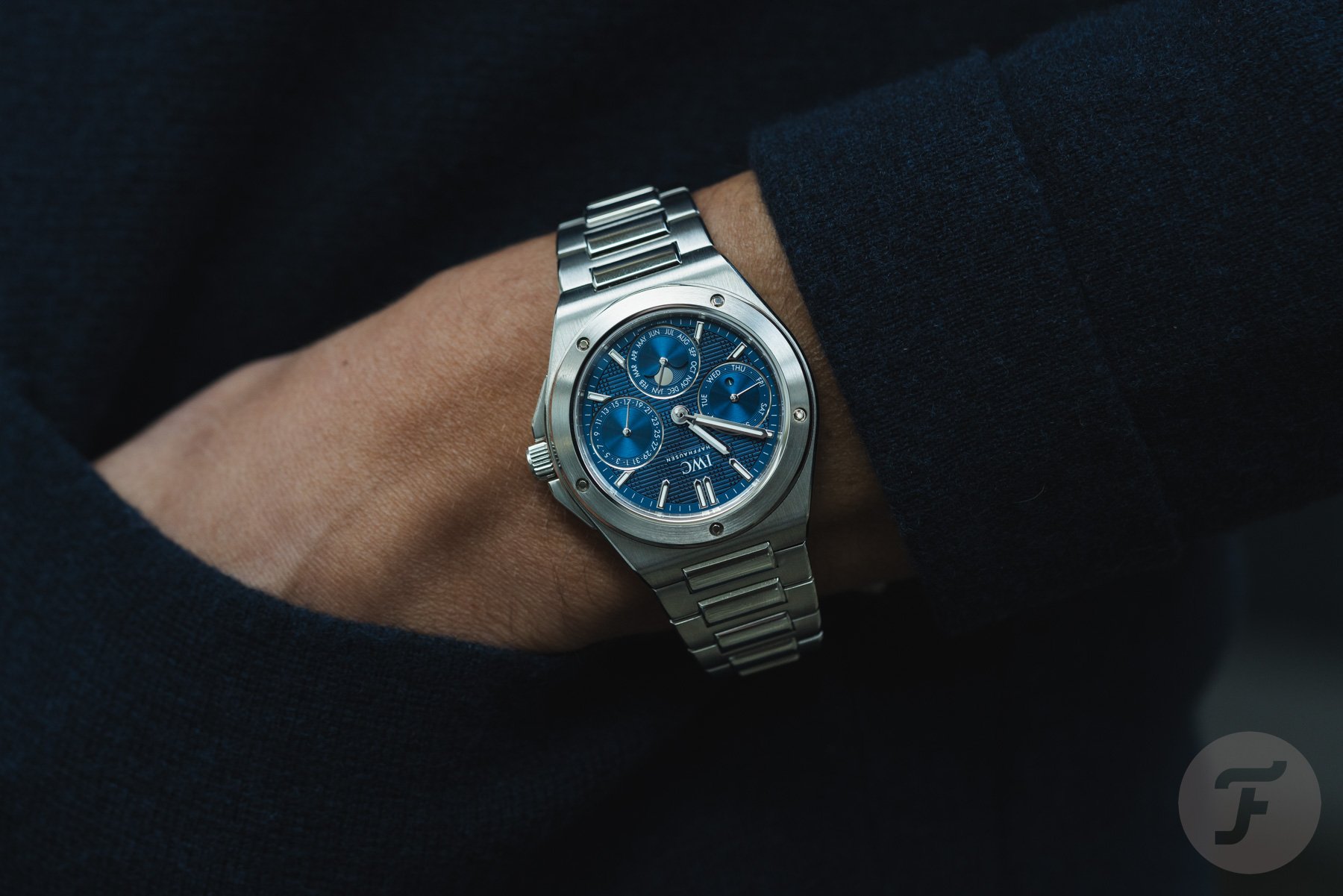
Now, as much as I respect Jaeger-LeCoultre making a bold move with the Master Control Chronometre series, I am still trying to figure out how to feel about the five models and, more importantly, how they fit into the well-established realm of the integrated-bracelet sports watch. It’s impossible to deny that these watches have some uniquely charming design features and impressive specs. That said, they still feel a bit…forced. Not to mention, they’re quite late to the party. Giving the brand credit based solely on the “watchmaker’s watchmaker” reputation won’t cut it. After all, we should never forget that the brand was also responsible for unsavory-looking watches like the Reverso Gran Sport…
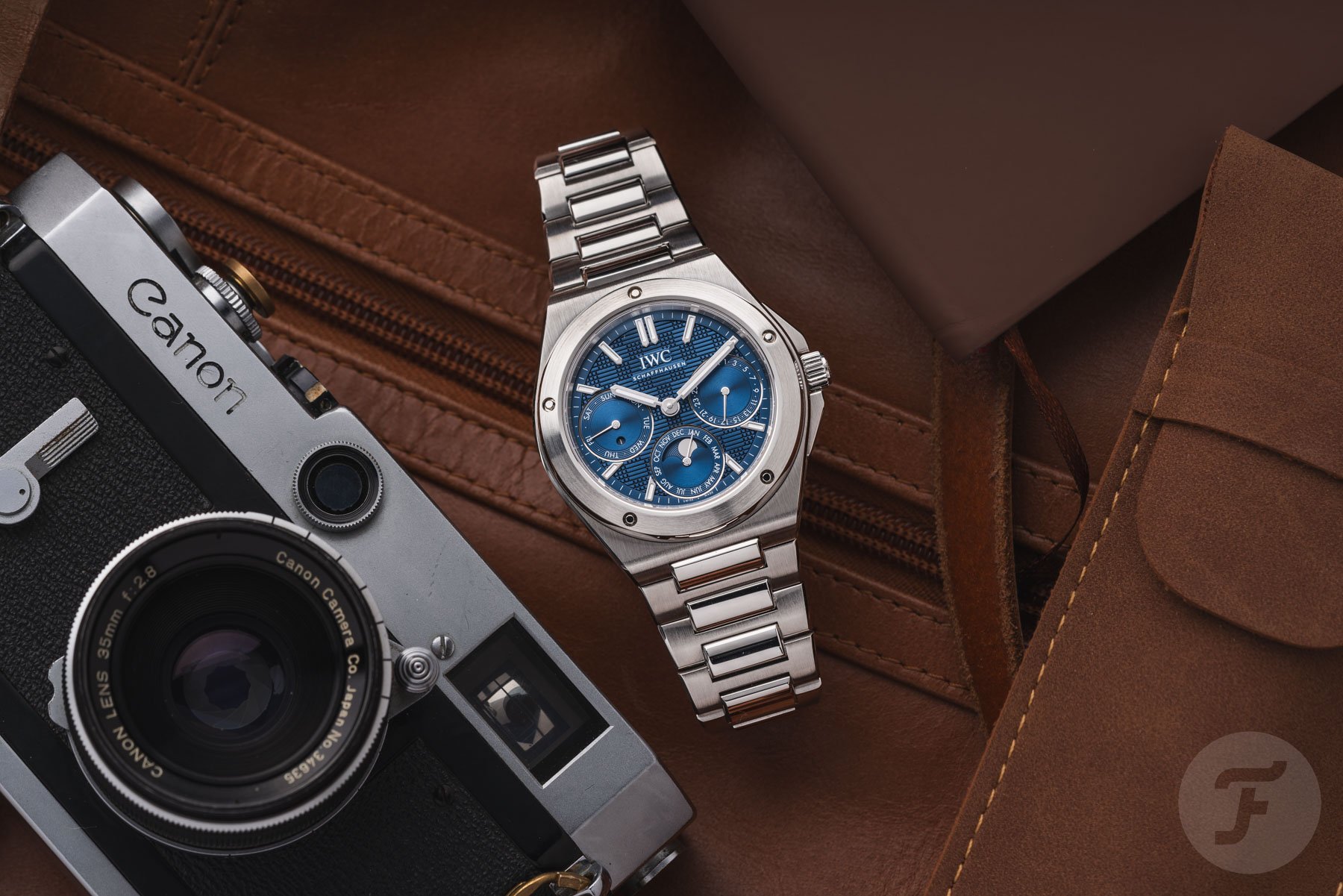
Heritage and a lack thereof
Now, I don’t want to overplay the “Genta card” in my argumentation, but it is worth mentioning. The latest series of IWC Ingenieur models is the latest in a long line, with roots going back to the mid-’50s and a design originating from the 1976 Genta-designed Ingenieur SL. This Jaeger-LeCoultre’s Master Control Chronometre, however, points back to several loosely similar models to justify its existence while remaining a new creation. Now, there’s nothing wrong with that per se, but when you really look at the watch, there’s not much that sets it apart. Other than the sharp center-link design, it’s about as vanilla a take on the integrated-bracelet sports watch as can be. You could call it “subtle,” but there is such a thing as too subtle, which can range into downright boring.
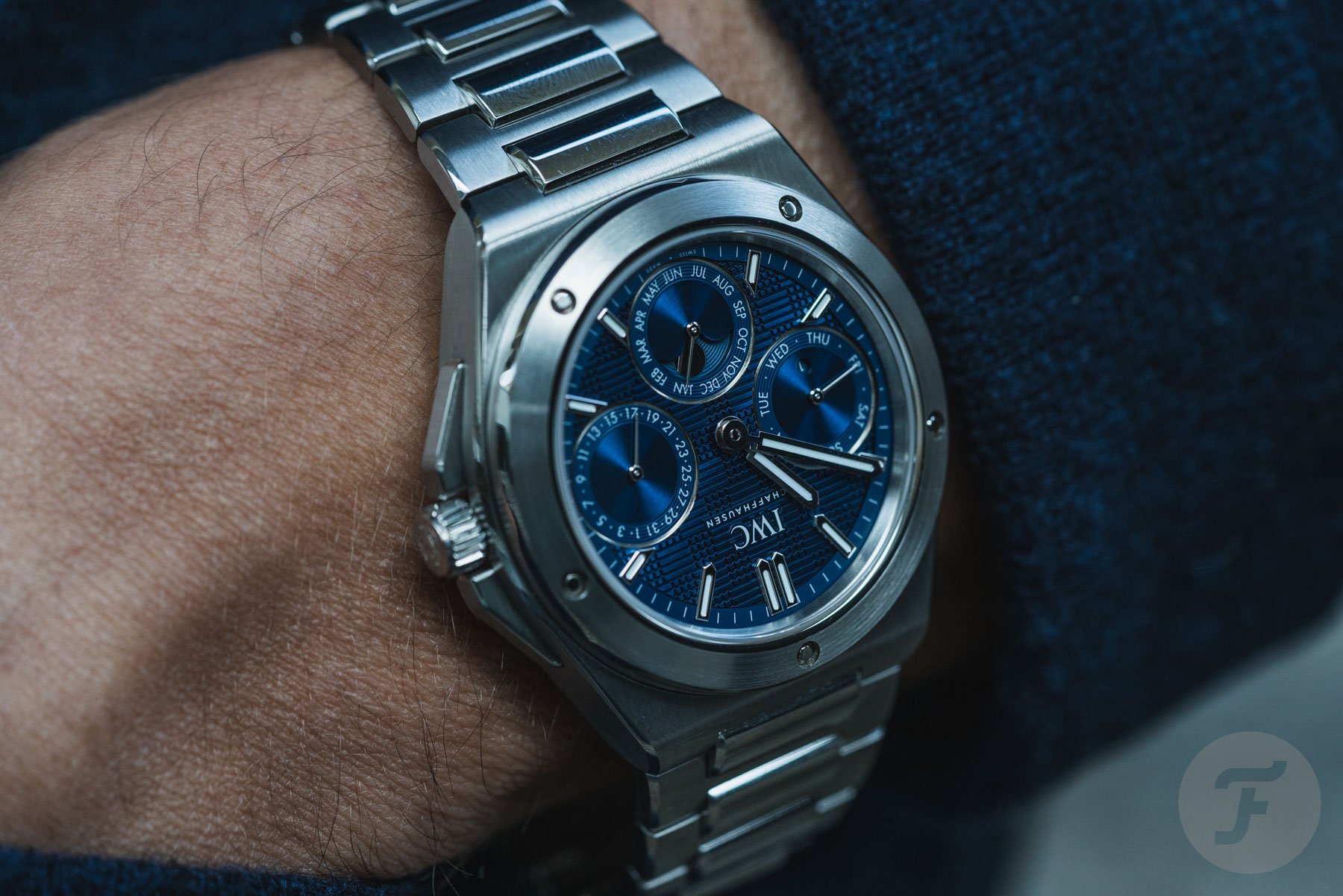
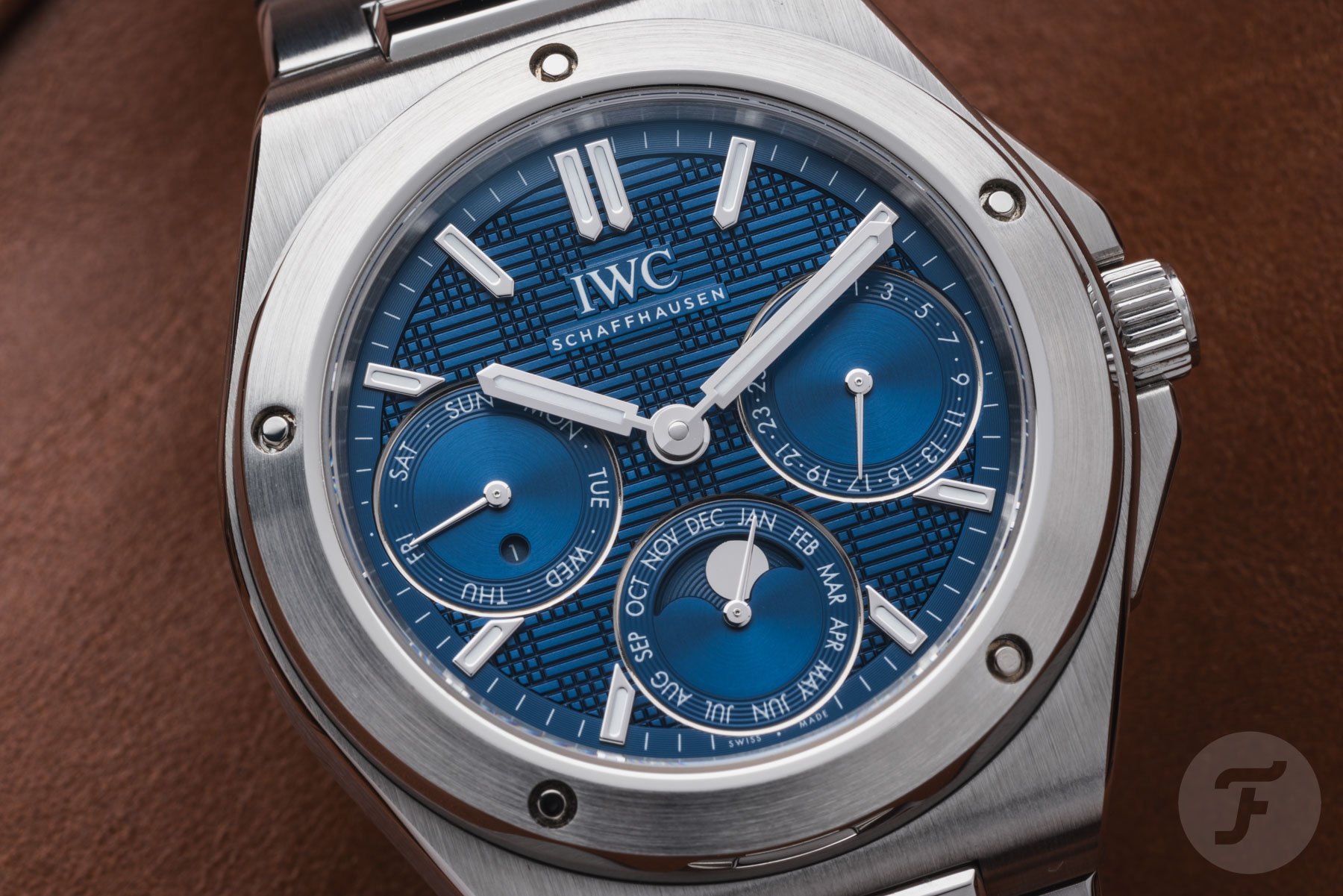
Unlike the JLC, the Ingenieur draws upon the character imbued in it by its original design with an added modern twist. Does that maybe make it a bit more divisive? Sure! But at least you can’t accuse it of being bland. What the Master Control Chronometre lacks in character, it overcompensates for with an incredibly busy dial. The cleaner look of the three-registers on the IWC just feels more balanced. Plus, I’d have thought that Thomas of all people would take more issue with the use of a vignette dial (albeit a subtle one). The final nail in the coffin for me comes from the clumsy integration of the leap-year indicator. Cutting holes in the hands (which provide the most frequently accessed timing metric) to display something you’ll check only occasionally at best just seems a bit silly.
An identity crisis
Another factor worth considering is that whereas the Ingenieur is undoubtedly a complicated sports watch, the Master Control Chronometre doesn’t quite know what it’s trying to be. In my opinion, it feels a bit dressy and delicate in contrast to the Ingenieur’s more rugged persona. This may also come with a compromise in thickness, but having had the IWC on my wrist, I can confirm that everything simply works proportionally. The Jaeger-LeCoultre also doesn’t feature any lume, which makes me think that it leans too hard away from its sporty side. But why not go all in, then? There’s already a great dressy QP in JLC’s collection in the Master Ultra-Thin Perpetual Calendar. That one knows exactly what it is, and will set you back €32,100. Sure, it doesn’t have a bracelet and isn’t a COSC-certified chronometer, but that’s a €15,700 difference that becomes rather difficult to explain.
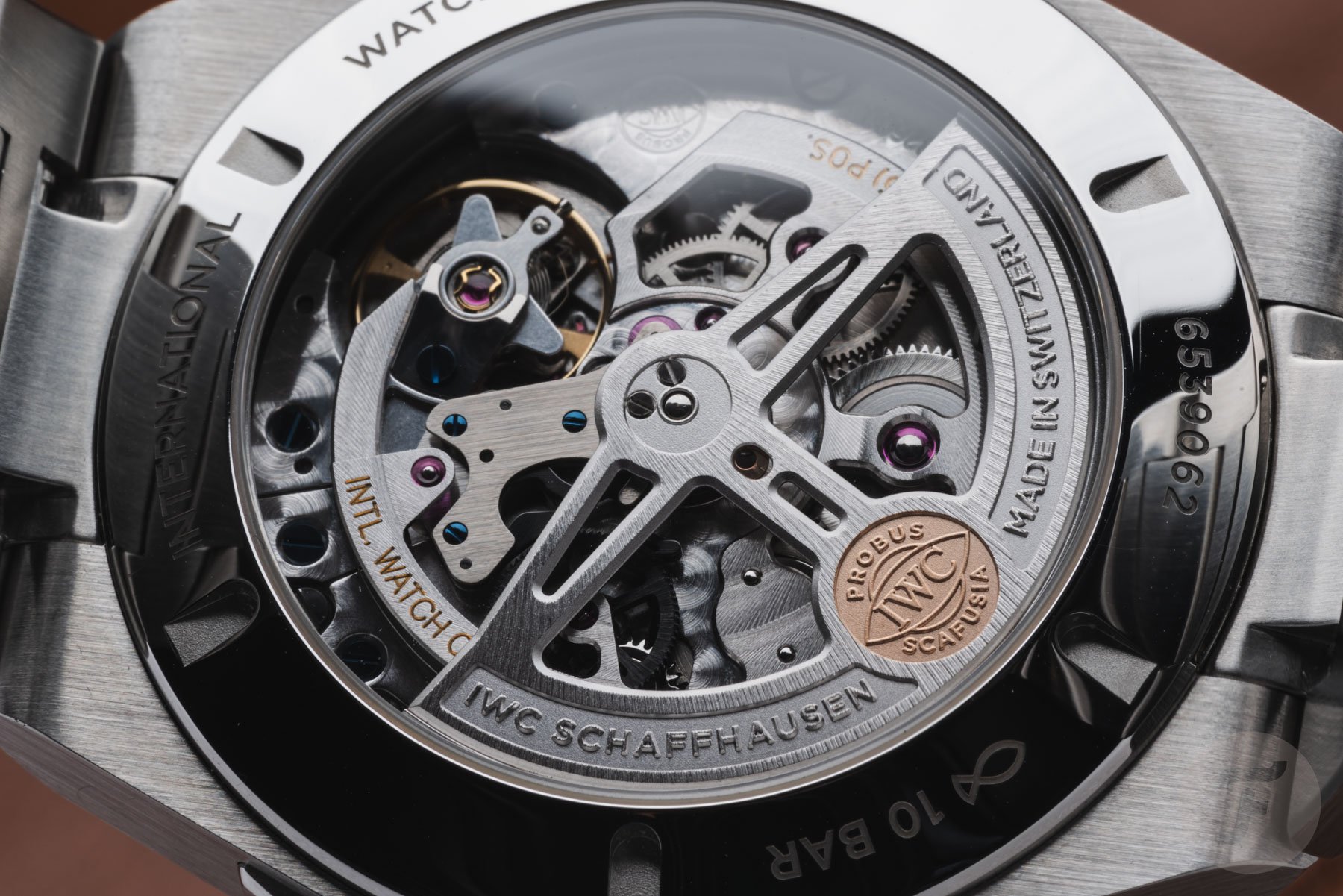
The JLC also has half the water resistance, likely due to the adjustment pusher for the perpetual calendar. This is not something you have to worry about with the IWC, which, despite using a module, allows every movement function to be controlled with the crown. Elegant and clever, this is a prototypical IWC approach to solving a technical challenge. By contrast, the JLC’s lack of identity still leaves me a bit cold. It almost feels like an AI-generated watch. Remove the logo, and you’d struggle to guess the brand responsible. On the other hand, for all its faults, the IWC Ingenieur Perpetual Calendar 41 feels more specific and better integrated into the brand’s design language. I’d struggle to justify spending €7,000 more for a watch that’s just slightly smaller, slimmer, and far more confused.

Time to vote: Jaeger-LeCoultre Master Control Chronometre Perpetual Calendar vs. IWC Ingenieur Perpetual Calendar 41
There you have it! Nacho and Thomas have made their cases for their contenders, and now it’s time for you to vote. Will it be JLC’s slim and refined Master Control Chronometre or IWC’s charming and rugged Ingenieur? Make sure to cast your vote and leave your thoughts on which one deserves the win and why in the comments section below. Join us again next week for another Sunday Morning Showdown.
Jaeger-LeCoultre Master Control Chronometre Perpetual Calendar vs. IWC Ingenieur Perpetual Calendar 41
Thomas Van Straaten
2026-05-03 05:00:00