
I used to really enjoy watching sports. But over the last few years, it’s become almost impossible to enjoy, as it feels like telecasts exist for the sole purpose of driving viewers toward gambling websites like FanDuel and DraftKings. It’s truly pervasive, and depending on how you view sports betting it’s either a mild annoyance or the sign of something darker and more insidious: the steady financialization of every form of entertainment.
This isn’t an editorial on the ethics of gambling (or capitalism) but I’ve been thinking about both over the last several hours after we learned that Bezel, the online watch retailer that acts as an authenticated marketplace for many sought after watches from Rolex, Audemars Piguet, and others, has teamed up with Kalshi, the prediction markets platform that lets users place bets not just on sports, but on questions like “What will Pete Hegseth say during his press conference?” and “Which bank will take SpaceX public?” Now, Kalshi users and presumably watch collectors and speculators can bet on changing watch valuations, as well as the likelihood of potential new releases.
This seems like a uniquely terrible idea, and I hate everything about it.
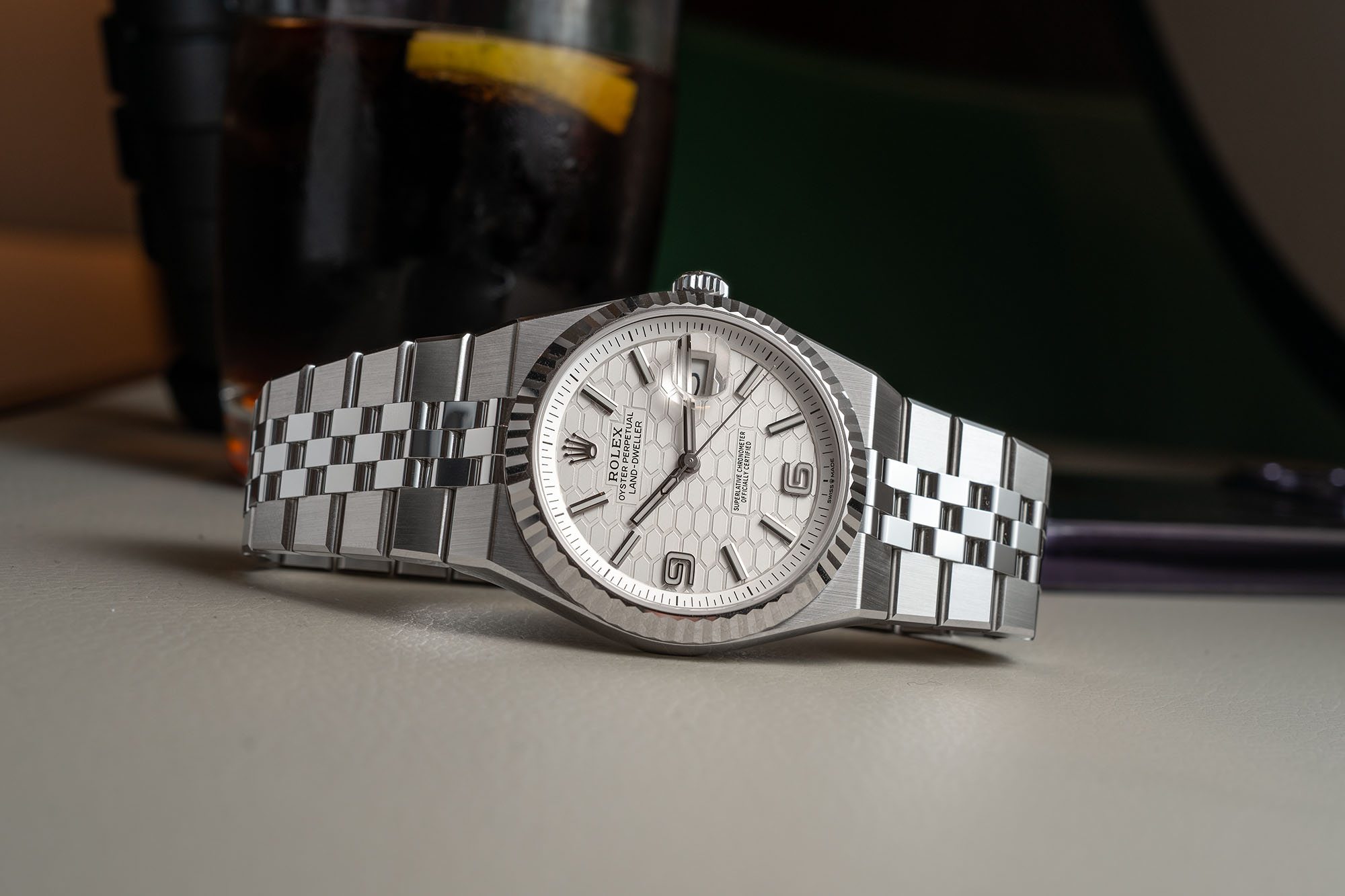
First, and this goes almost without saying, as watch enthusiasts, we are always trying to divorce ourselves from placing a high degree of importance on the value of any given watch. While nobody wants to lose money on an expensive watch purchase, real joy in this hobby comes from owning and wearing the watches you love without regard for whether or not the resale price is going up or down at any given moment. People who chase watches as investments, or purchase them purely as a flex, dilute a lot of what we love about this hobby. After the bursting of the bubble we experienced during the pandemic, many of these speculators were flushed from the hobby, and we’re all frankly better for it.
But beyond that, I’m troubled by the structure of what Kalshi and Bezel have built here. It seems like there is ample opportunity for these parties to manipulate and take financial advantage of their users and customers.
Bezel works by inviting collectors to list their watches on their platform and essentially acts as a middleman between the seller and the buyer. But as the middleman, they provide a great deal of data to sellers on pricing using what we presume to be their own historical records on watch sales activity. Sellers can negotiate a final price through the Bezel platform, and naturally Bezel takes a fee for their service, which includes authentication and insured shipping.
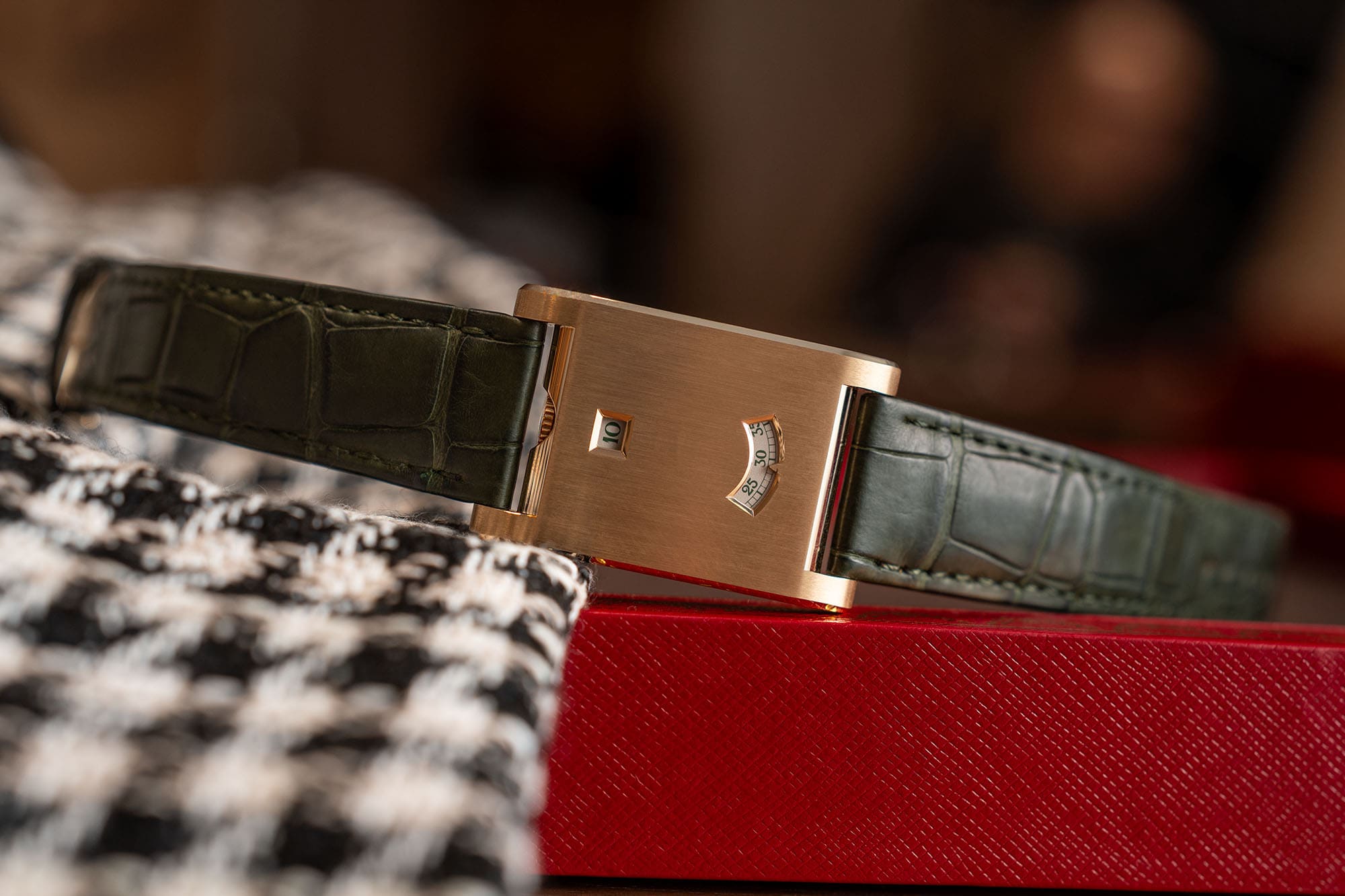
That’s all fine, of course, if you agree to buy or sell a watch using their service. But many of the initial contracts on Kalshi specifically ask users to bet on the movement of a “Bezel Index” for a variety of brands. Bezel updates these indexes monthly and uses a proprietary “marketplace intelligence engine” that tracks asks, bids, and final selling prices on the Bezel platform. But Bezel, of course, is not the only place watches are bought and sold, and as creators of the selling platform as well as the index that users can bet on, there are some obvious potential pitfalls and opportunities for manipulation.
Let’s say that we trust Bezel, though, and that their indexes for Rolex, Cartier, and other brands truly reflect real world pricing, and that they have safeguards in place to prevent manipulation. There’s still the question of the integrity of some of these contracts being offered.
I reached out to Eric Ku, a watch dealer and founder of Loupe This, a burgeoning auction platform, for his thoughts on this new venture. He pointed me toward this contract, which asks users to bet on whether Rolex will introduce a new collection this year. At the time of our email exchange, there was some discussion in the Kalshi comments about a lack of clarity around what constitutes a “new collection.” In the hours since, Kalshi has added at least some clarity via an update to the terms of the contract that attempts to define specifically what constitutes a new collection. But the real issue is more fundamental.
“There are plenty of insiders that know what the plans are,” Ku told me, “so how can they offer this?”

He’s absolutely right. Watches & Wonders is a little more than a month away. There are surely many Rolex employees, members of the media (not us!), retailers, and others connected in various ways to the watch industry that either have concrete information on Rolex’s plans, or a solid enough idea to make an informed bet or manipulate the betting market to their advantage and the disadvantage of the less informed.
The introduction of a platform like the one introduced by Bezel and Kalshi this week has me wondering if we’ve really learned anything at all as we come out of the wild spikes and pops that we saw in watch valuations from the Covid-era onwards. When watches are viewed primarily as a financial instrument, it drives speculation and generally makes it harder for enthusiasts to engage as prices rise and fall sharply. It was bad enough when the watches themselves, the physical objects, were traded for this reason by flippers and YouTube borne “dealers” looking to capitalize on hype. I shudder to think about what will happen once thousands of people who are not actually interested in owning watches at all begin placing small bets on their value.
Kalshi’s success and growth is an unfortunate reflection of the financialization of every aspect of our lives. Turning watch collecting itself into a casino of sorts is bound to have negative consequences for the people who engage with watches because we simply love them. While some people visit a casino and come away ahead, it’s worth remembering the old maxim that the house always wins.

And that brings me back to sports, and how gambling has so quickly been woven into the fabric of mainstream sports culture, with play by play announcers on national network television reading advertisements begging viewers to bet on games in progress. If we’re not careful, this will come to the watch world. The financial incentives for the big institutions that prop this industry up might simply be too great to ignore if it becomes clear that masses of people are willing to throw their money away on prop bets related to upcoming watch releases. I hope that a hobby I love, that has always been built around an appreciation for craft, does not slowly devolve into a series of wagers.
Zach Kazan
2026-03-04 20:00:00