
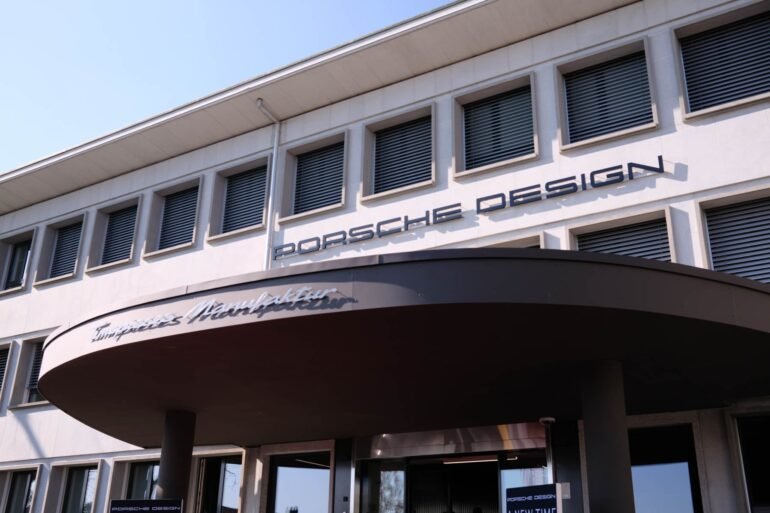
When Porsche Design invited me to visit the opening of its new Timepieces Manufaktur, I was immediately intrigued. Having visited the relatively small old workshop in Solothurn before, a big new facility inevitably implies lofty ambitions. What is the German carmaker/Swiss watchmaker up to? As your intrepid reporter, I made it my mission to find out.
Now, before we get into it, let me clear up one semantic issue beforehand. Porsche Design calls this new facility its Timepieces Manufaktur. This is, of course, correct in the classical German meaning of manufaktur as a workshop or factory. It is important not to confuse this with the Swiss-watchmaking meaning of manufacture, implying fully in-house design, development, and production of watch movements. While Porsche Design uses heavily modified, proprietary calibers, these aren’t produced on-site. Speaking to some of the watchmakers there, though, left me feeling like they could if they wanted to. There’s no lack of expertise here. Still, it’s always good to clarify the distinction!
A building with historic significance
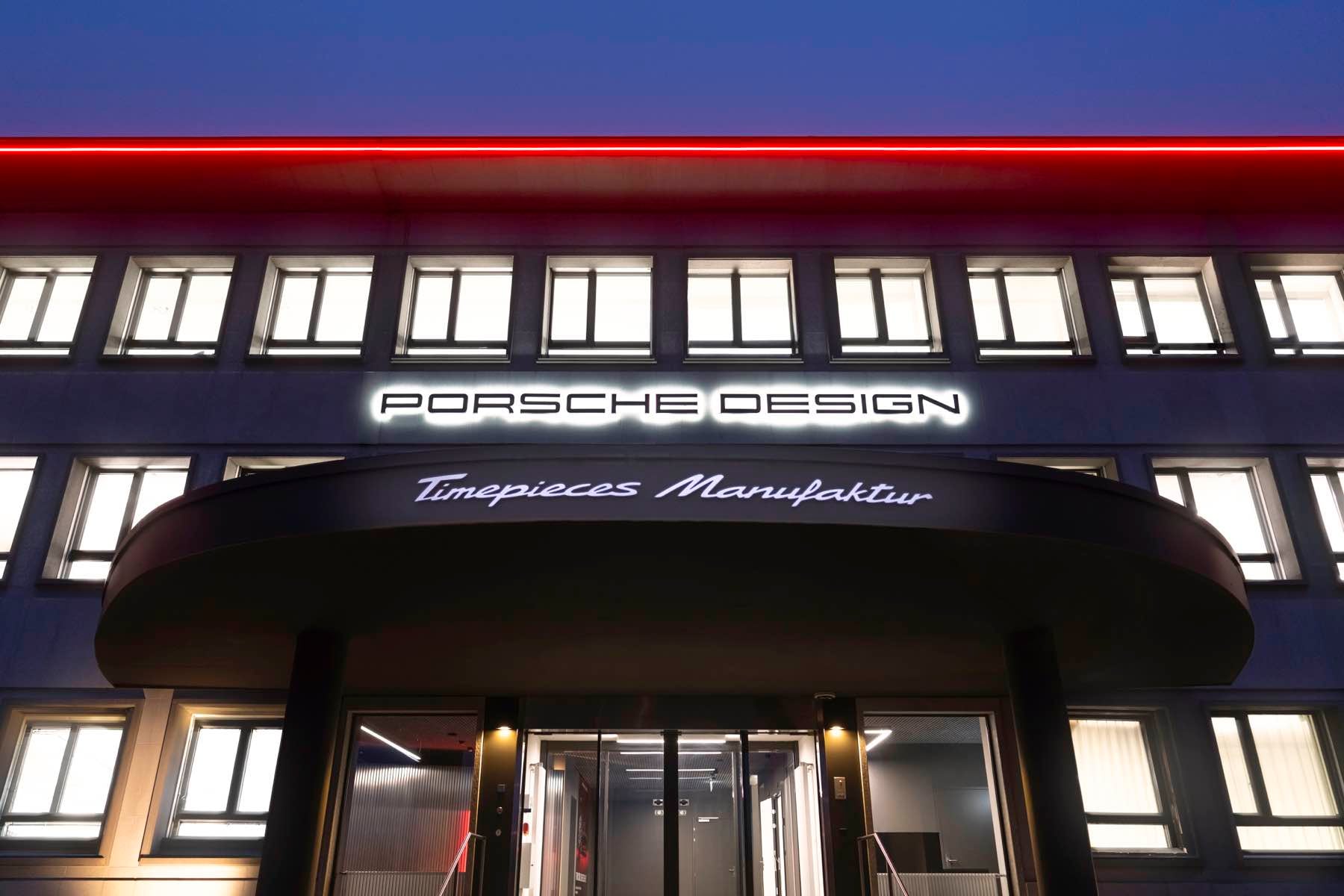
The fact that Porsche Design was growing out of its original Solothurn facility was quite clear when I visited a few years ago. Serendipitously, a suitable premise with historic significance opened up just in time. The old Eterna factory in Grenchen came up for sale, and Porsche Design went for it.
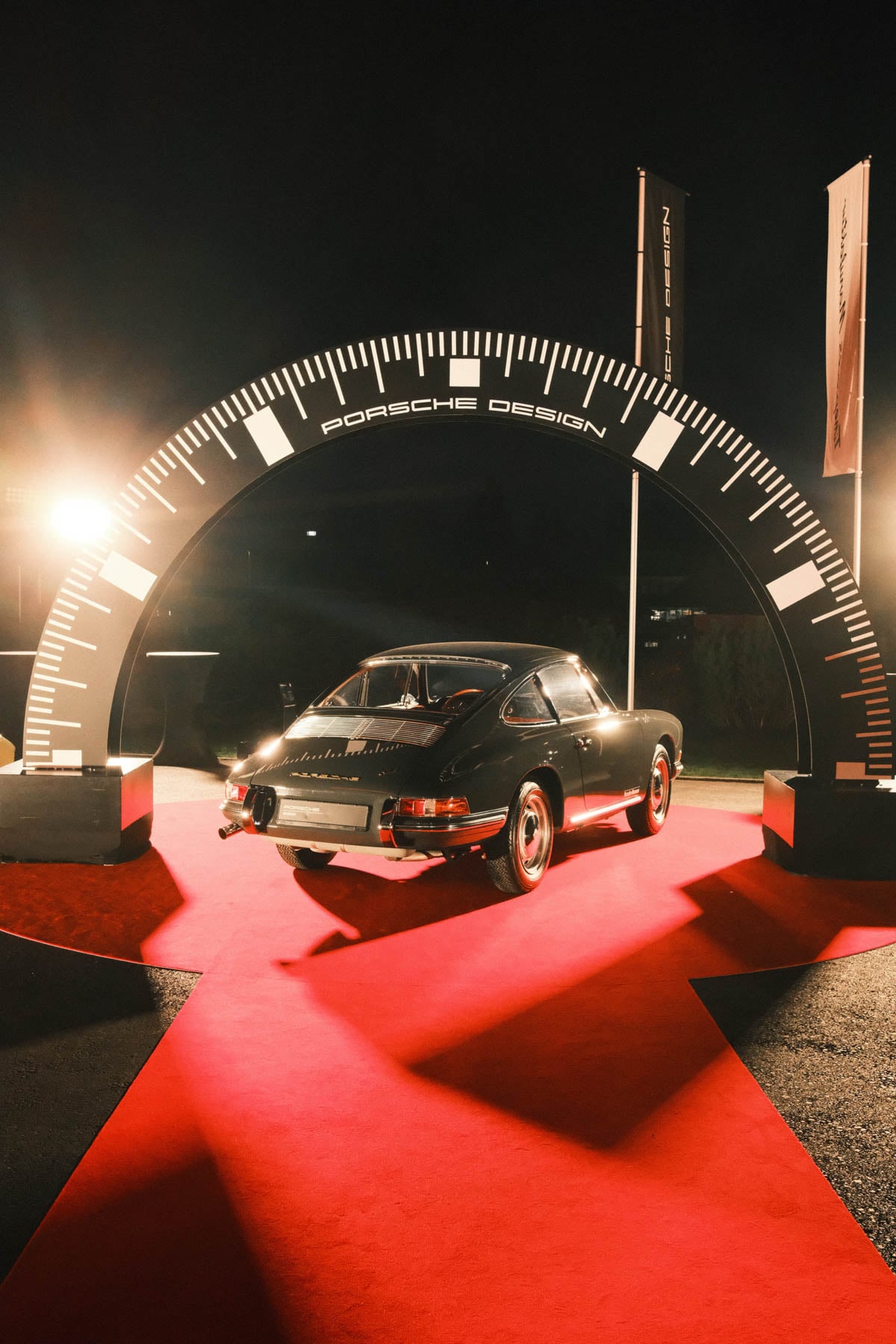
Now that’s a red carpet I’d like to walk!
This Eterna/Porsche Design combination is far from coincidental. After all, Ferdinand Alexander Porsche acquired Eterna in 1995. The Swiss brand produced Porsche Design’s watches until 2014, when PD took production in-house. As a result, the building had been in the Porsche family’s possession before.
The 3,600-square-meter building dates back to 1955 and required a thorough overhaul to prepare it for Porsche Design’s residency. It took over three years of planning and construction, but a truly modern facility now proudly wears the Porsche Design Timepieces Manufaktur signage.
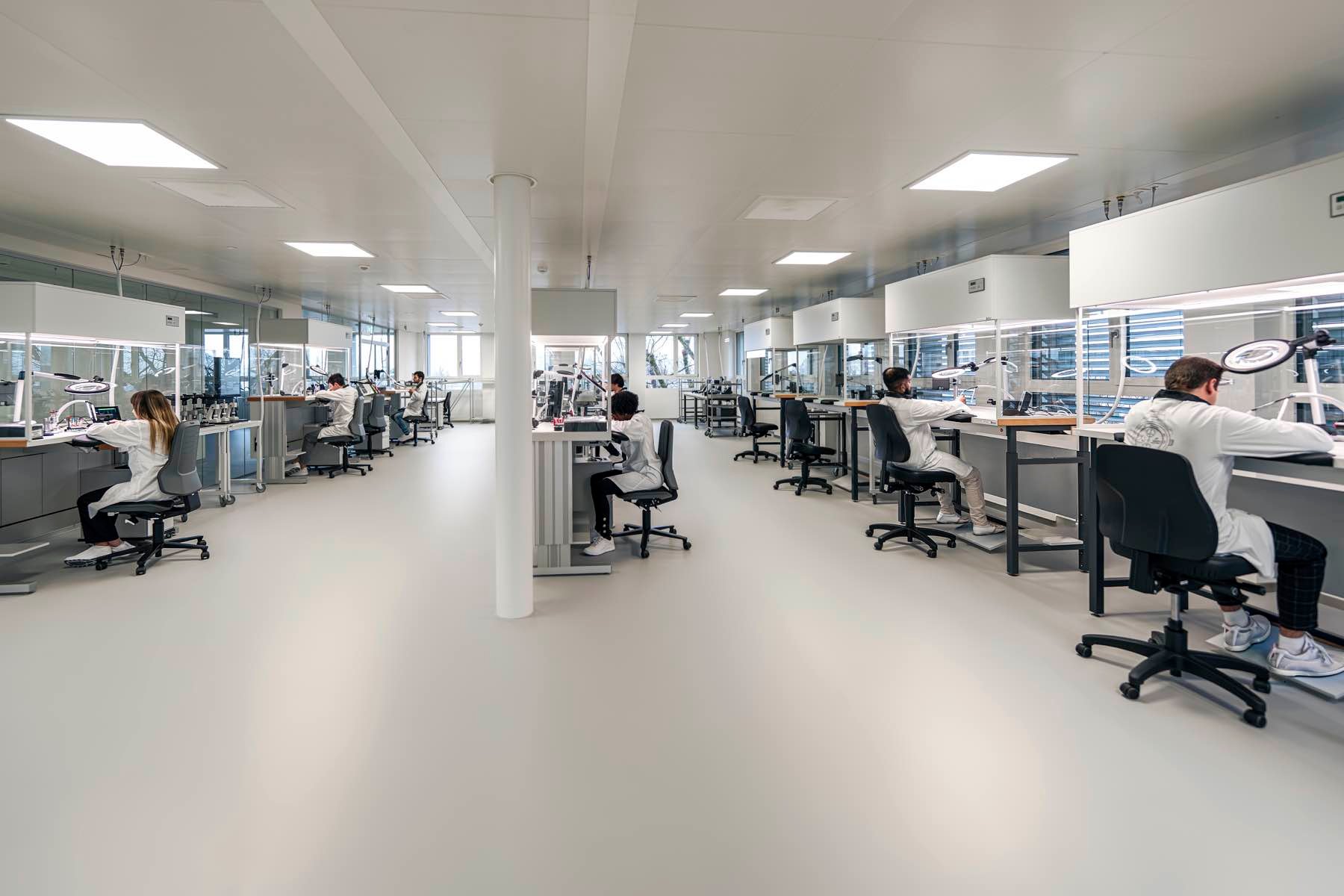
A closer look at the Porsche Design Timepieces Manufaktur
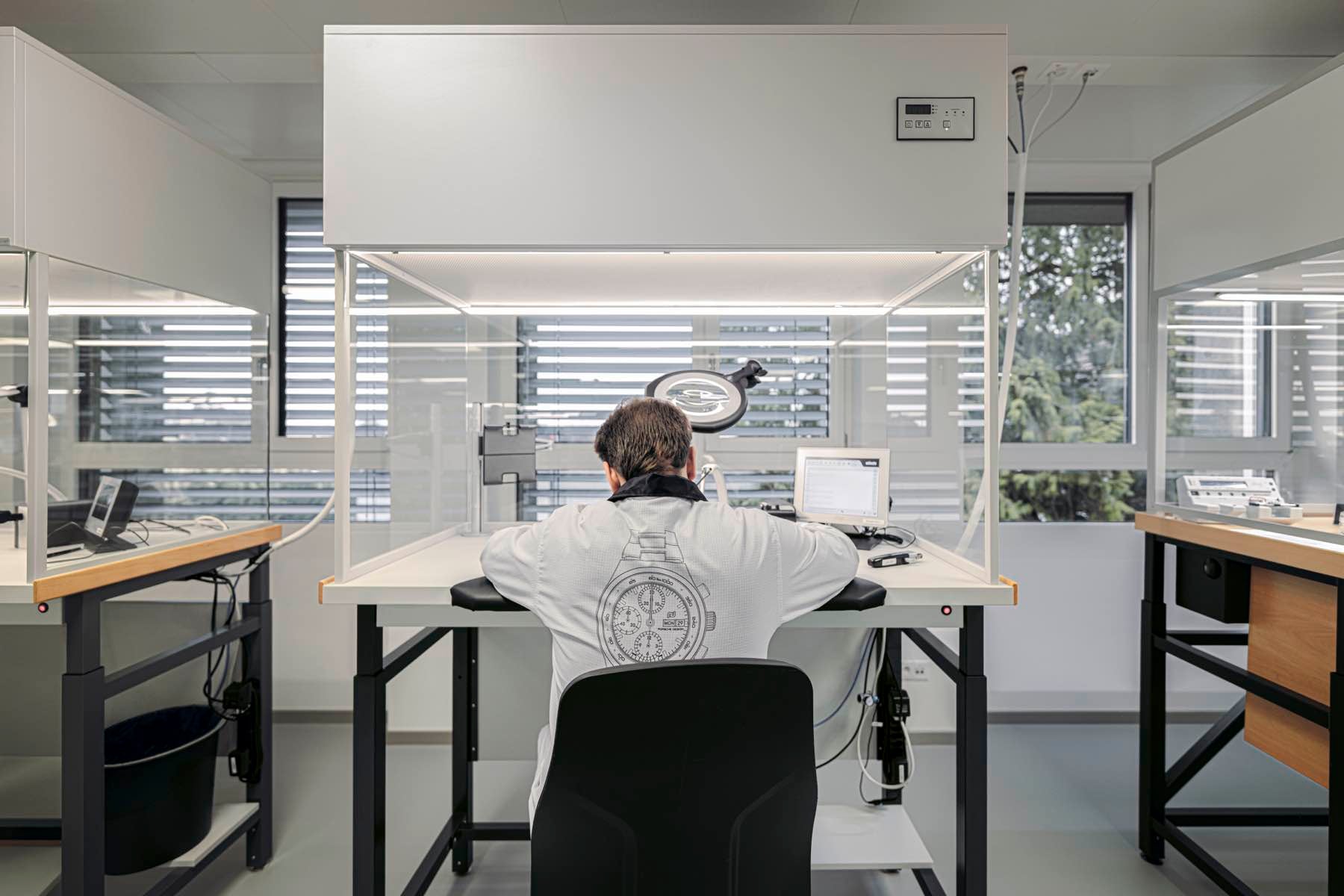
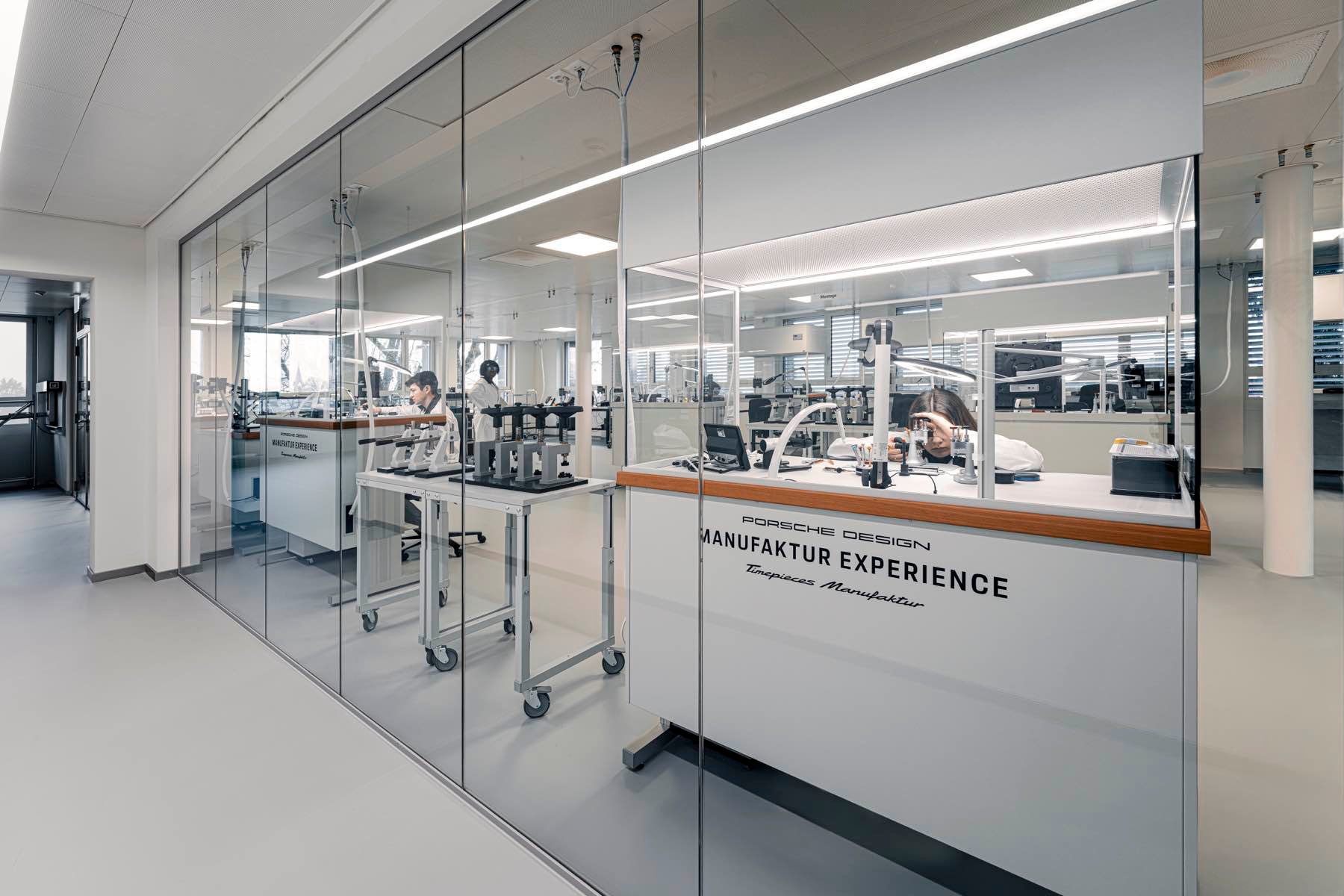
Most watchmaking facilities look fairly similar, with tons of wide-open white spaces and plenty of natural light. Cleanliness and order reign supreme. The premises always feel quiet, focused, serious, and rather zen to me. The PD facility is no different in this respect.
Still, the new Timepieces Manufaktur does differ from most other watchmaking ateliers in its layout. No parts are currently produced here, so the entire factory is built around assembly. This, however, is done in a very specific way, copied from the Porsche car factories.
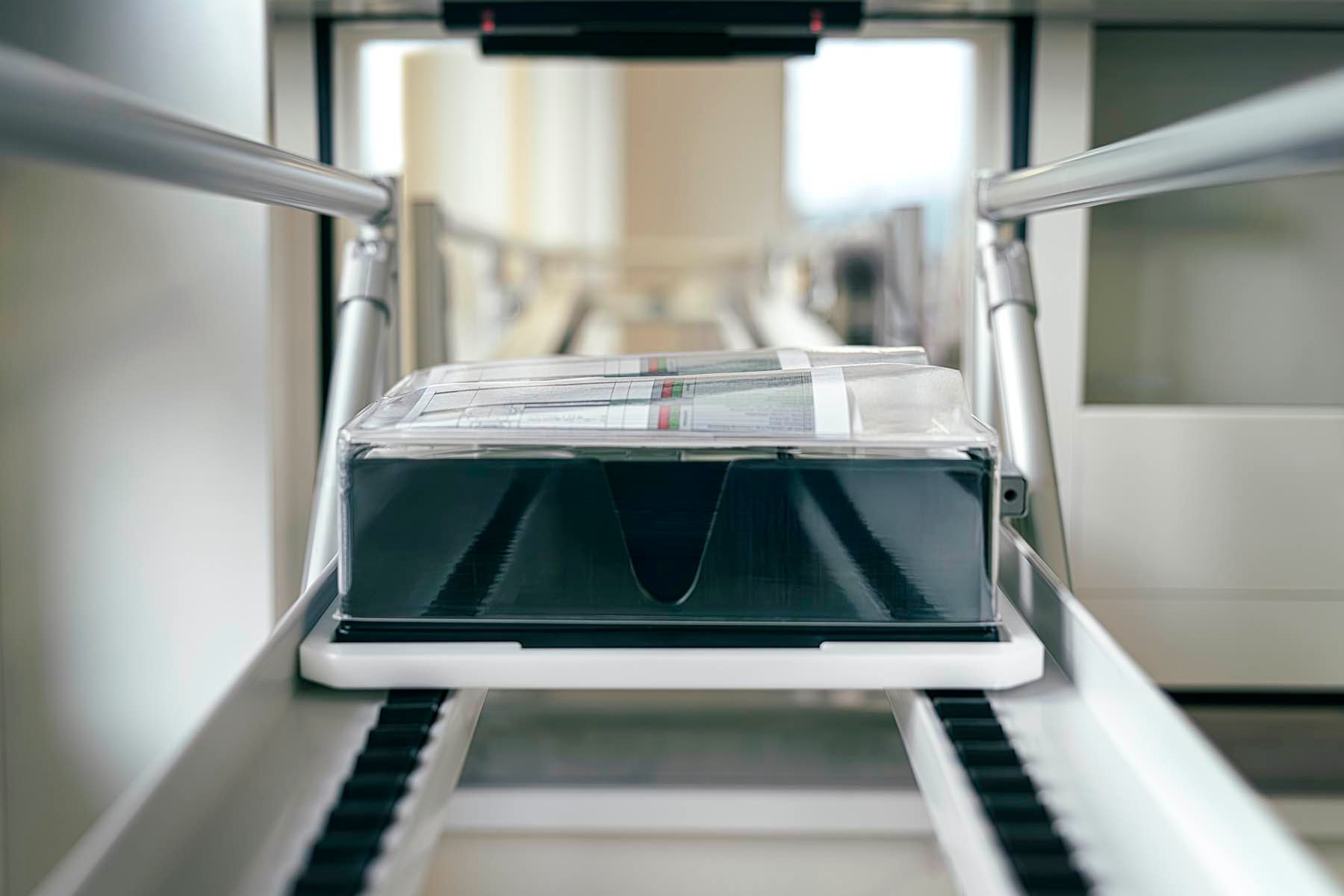
The conveyor belt taking the selected parts to the climate-controlled watchmaking space
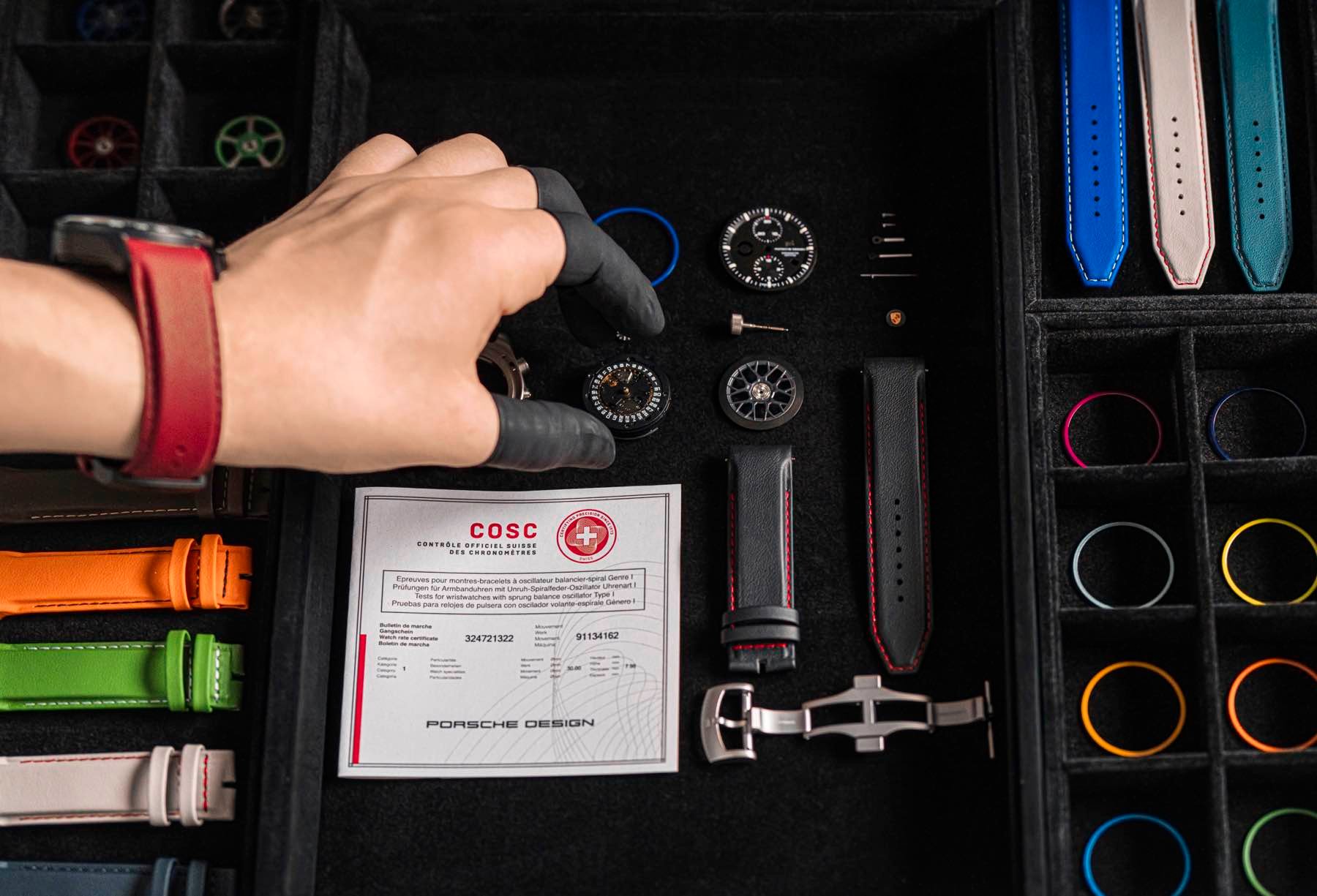
Each watch is produced on demand. With the majority of these being in the “Custom-made timepieces” collection, which allows people to match a watch to their Porsche car, literally millions of possible configurations are available. To facilitate this complexity, the facility copies the carmaker’s just-in-time, lean production methodology. This is most visible in the stock room, where parts can be picked and combined in special crates. These are then fed into the climate-regulated watchmaking space via an isolated conveyor belt. The whole system operates on a Nullfehler (“zero-error”) principle. In other words, “Don’t make a mistake, or we know where you live.”
Opening up new possibilities
Boosting Porsche Design’s capacity is one of the goals of entering these new premises. However, as of now, the factory’s output remains the same as it was before. There is plenty of space to expand, but the team was tight-lipped about how it would be used. The most obvious way would be to do more of what is already done here. When I asked about the possibilities for bringing in parts production (vertical integration), I got a mysterious “we could.”
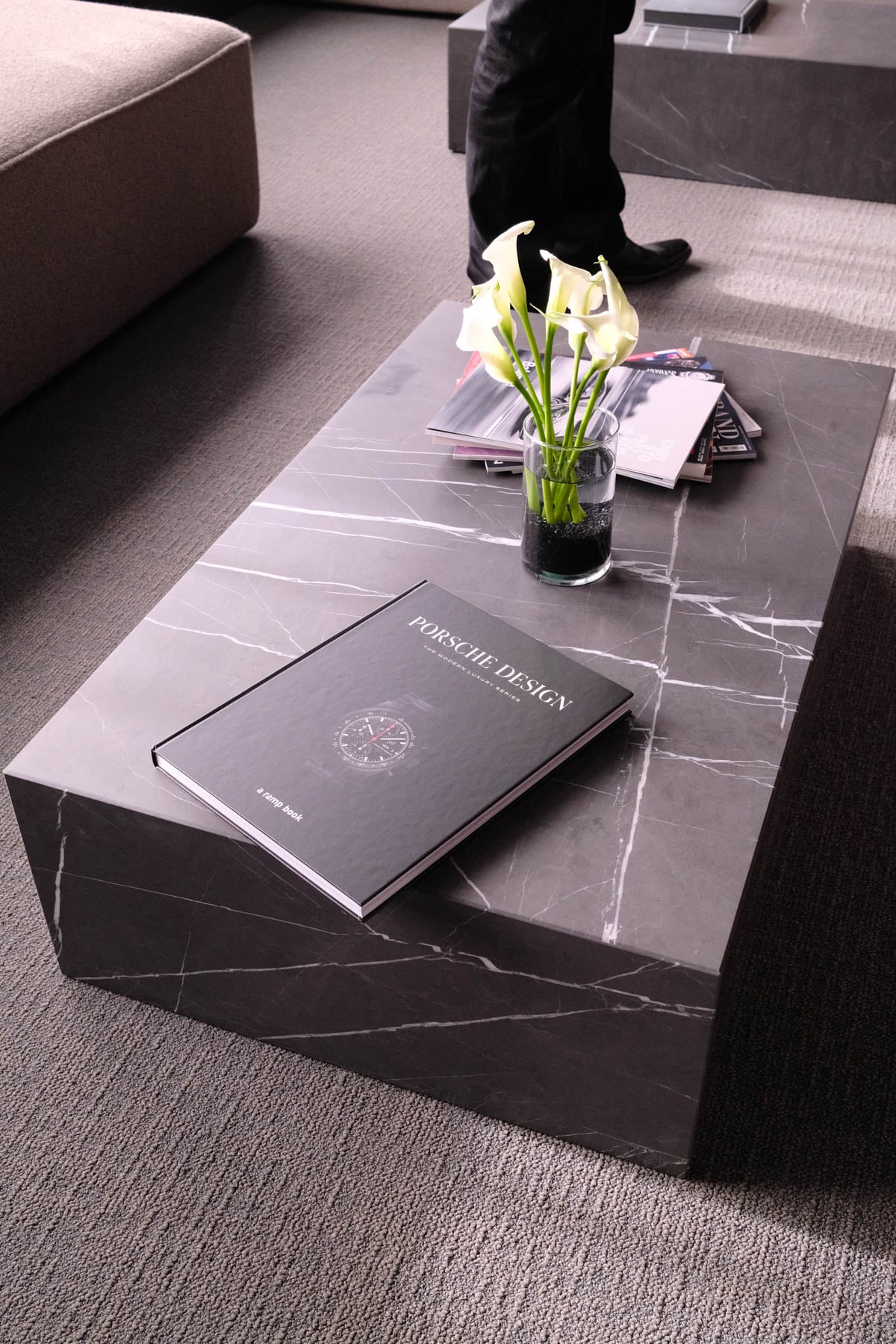
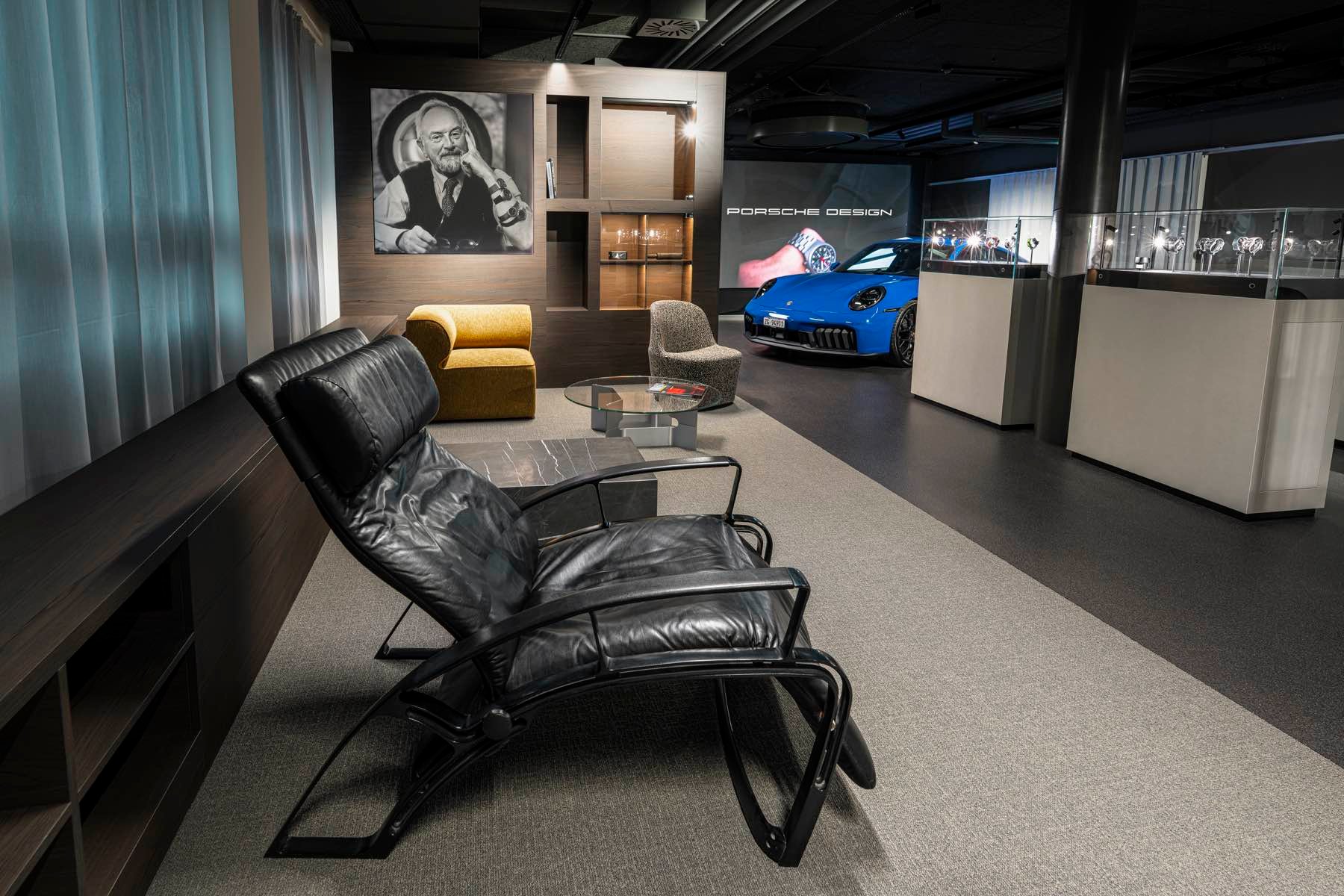
The team emphasizes the place’s potential to receive collectors. Almost the entire lower floor is set up as an exhibition space, displaying current and historic watches. The space also features a large yet intimate lounge area, a bar, a DJ booth, and a configuration corner. There, you can match your custom watch to your car’s interior and exterior, down to the rims, which you can have as your automatic winding rotor. A uniquely configured 911 sat slap-bang in the middle of the space, leaving no questions about where we found ourselves.
This synergy between carmaker and watchmaker is of great value to the company. The team was eager to point out that even the leather on the stair railing — in Guards Red, to be precise — was taken from Porsche car interiors. It is clear that the timepieces division is supposed to stay very close to its parent’s side.


What this means for Porsche Design’s future
Now, a new building is only as interesting as the potential it unlocks. As it stands, 70% of Porsche Design watches are custom-ordered to match cars. The Chronograph 1 and the Sport Chrono comprise the other 30%. As a watch aficionado, I am less interested in Signal Yellow or Slate Grey details and a wheel-shaped rotor. The classic, original Porsche designs speak to me much more, and I suspect this applies to most watch enthusiasts.
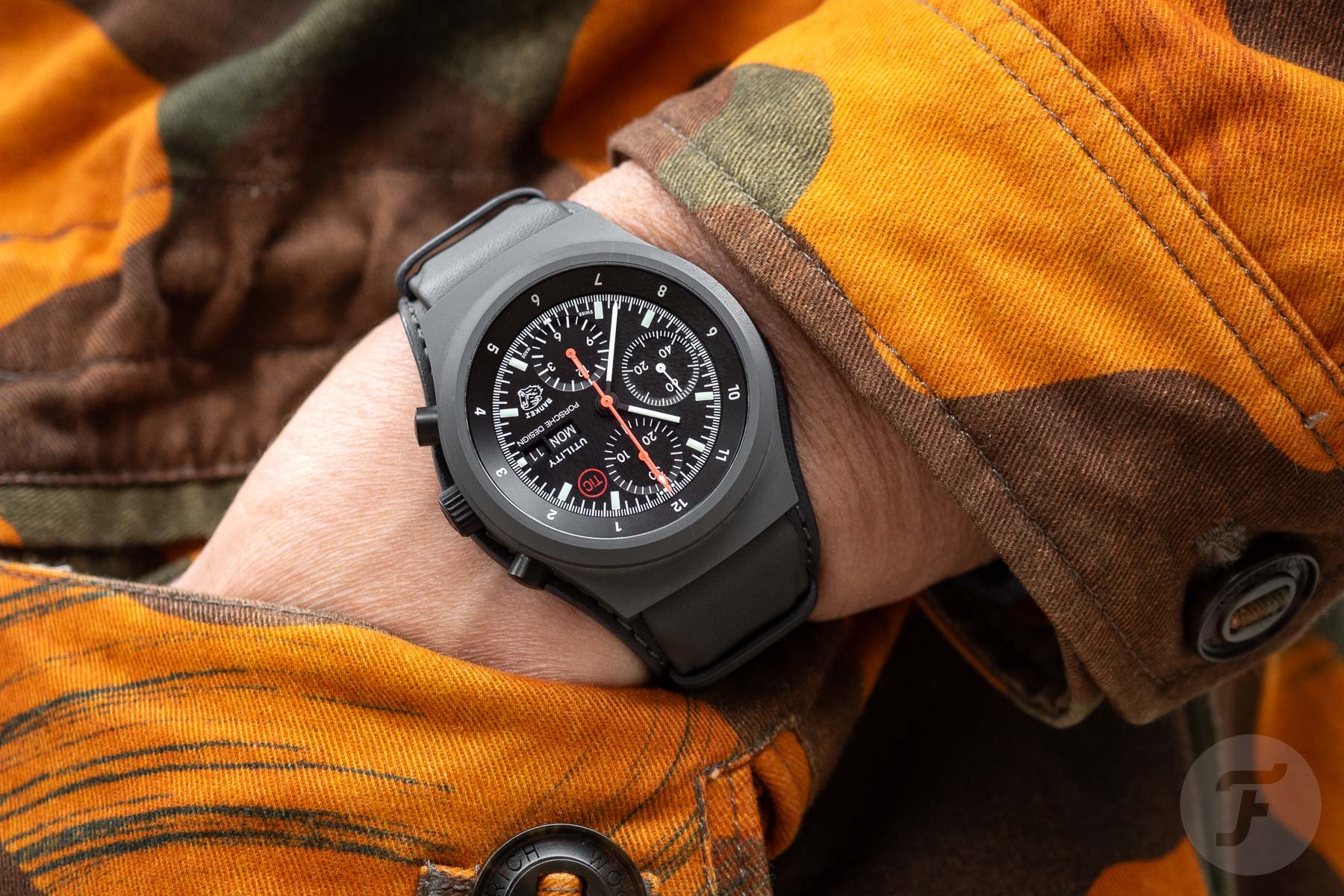
Crucially, this 70-30 split does shield Porsche Design from the current watch market woes. When I showed particular interest in the 30%, I was kindly reminded that those watches wouldn’t be possible without the 70%. Still, I was curious to learn about the 30%’s future. The team was quite clear on its strategy. To turn the Chronograph 1 into an icon requires stability, slow evolution, and consistency to be key priorities. If it is a constant stream of flashy new releases you want, look elsewhere. Porsche Design is fully aware of the strength of this model, and I got the sense that the company will nourish it with great care.
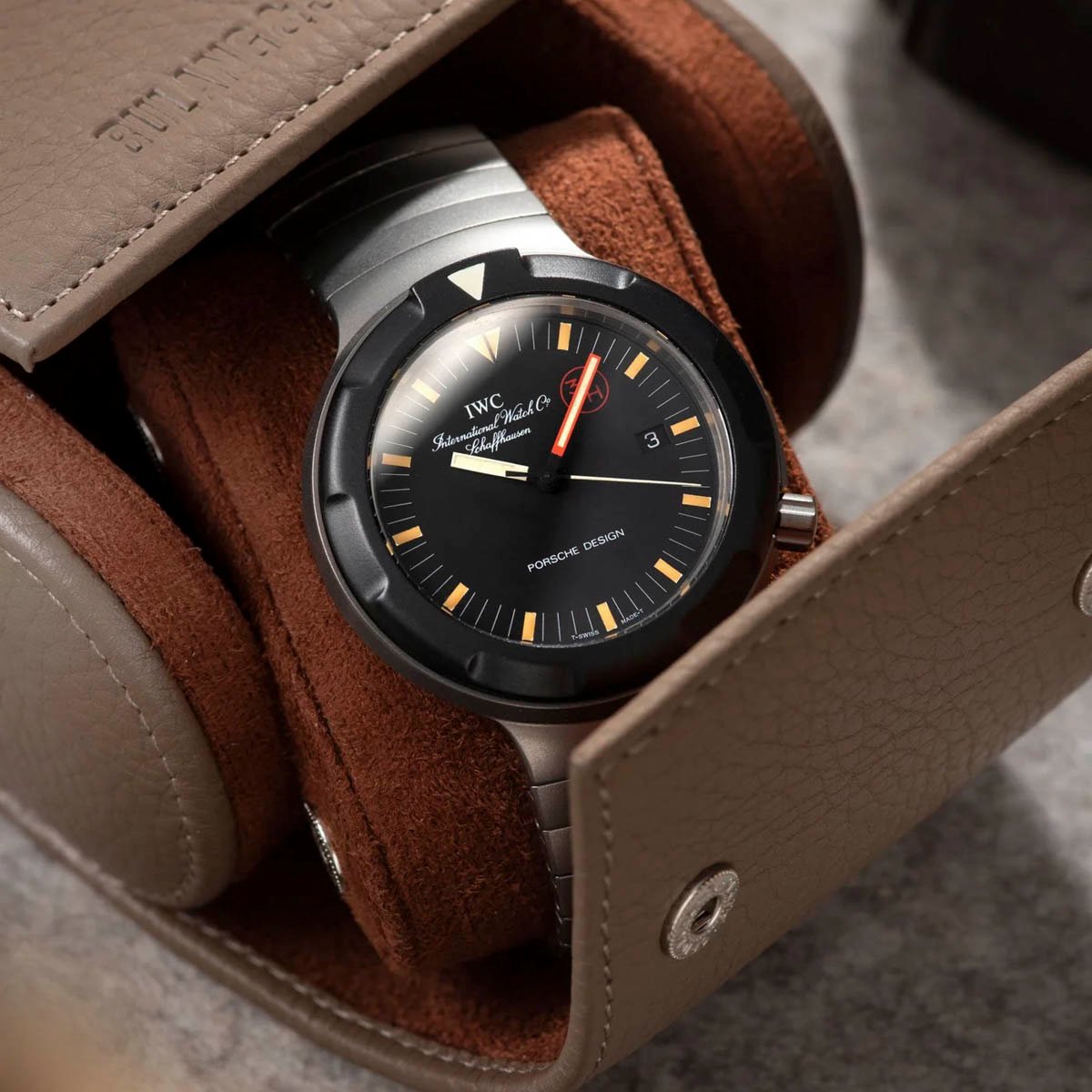
Photo: Bulang and Sons
I asked about the other icons in the brand’s back catalog, knowing full well the teams could not possibly answer openly. “Might we see a new Ocean 500 or Ocean 2000 emerge from your new Manufaktur?” Unflinching, straight gazes. “How about a new compass watch?” Silence. “Today’s celebration is about our new Manufaktur. We will invite you on another day for a new watch.” Ah, so there is something cooking…
Closing thoughts on Porsche Design’s new Timepieces Manufaktur
I find Porsche Design absolutely fascinating as a watch company, as it is so different from most Swiss and German brands. The unique connection to one of the most widely admired carmakers is one aspect, but the distinct approach to watch design is another. It is all very technical and cerebral, especially for a creative design studio. PD’s people talk about legibility, biocompatible materials, and pushers you can operate underwater rather than about style, elegance, or form. Even the new Timepieces Manufaktur is described in terms of ISO standards (which are, admittedly, impressive). In fact, the whole form-follows-function mantra is omnipresent here. Design choices must, first and foremost, be rooted in rational functionality.
I wonder if this does the brand some injustice in a subtle way. Could it do with a little more flair and joie de vivre? Perhaps. Then again, the positioning and messaging are very clear and concise. You know what to expect from Porsche Design, and you will get it in spades. Also, there is no doubt that this philosophy can result in stunning watches, as illustrated by the Chronograph 1.
The new Timepieces Manufaktur perfectly underlines the brand’s identity and values. It oozes strict quality control, technical prowess, and logistical mastery. And the new exhibition and lounge go a long way in adding some warmth to the mix. I, for one, look forward to seeing what the house creates next. If anything, the new premises only raise expectations!
What do you think of Porsche Design’s new facility? Let us know in the comments section below!
Thomas Van Straaten
2026-03-28 06:00:00