
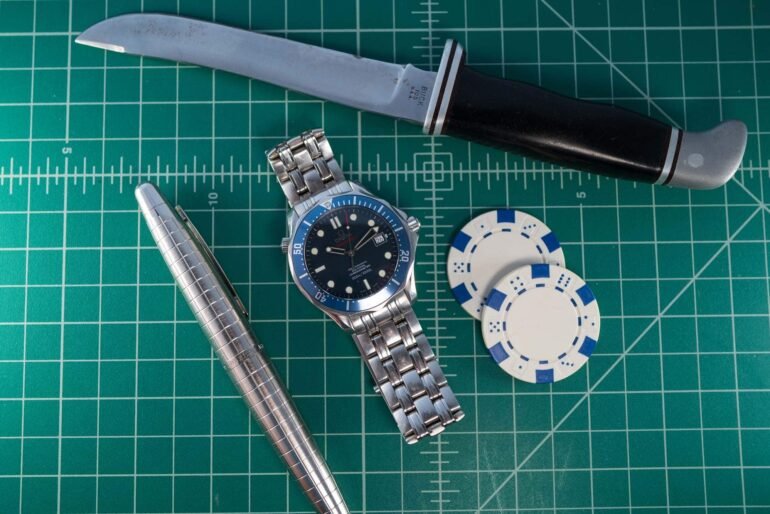
Try to think of an objective fact about watches. If you’re anything like me, it’s a task that sounds simple at first, but quickly turns into a surprisingly difficult thought experiment.
After some head scratching, my attempt at this exercise ended with a relatively short list, made up mostly of historical facts and a small number of all-encompassing physical descriptions: Watches were invented in the 16th century. They tell time, generally, and are powered by some sort of movement- quartz, mechanical, electric, tuning fork, or otherwise. They are round, or not. And have three hands, or more… and sometimes none at all.
As it turns out, objective facts about watches are in short supply, which by default makes mastering the subjective a primary element of watch collecting. Luckily for me and all the other self-proclaimed voices of authority spamming the forums alongside me, becoming an expert boils down to the ability to pick (usually meticulously researched) standpoints where the stakes are low and our personal beliefs are inherently never wrong. In the very first article I wrote for Worn & Wound back in 2023, I stated that forming opinions was one of my favorite things about the hobby. In the time since I picked the premise of individual stances as my first published words on this site, I’ve formed countless of them, and still find tremendous joy in doing so.
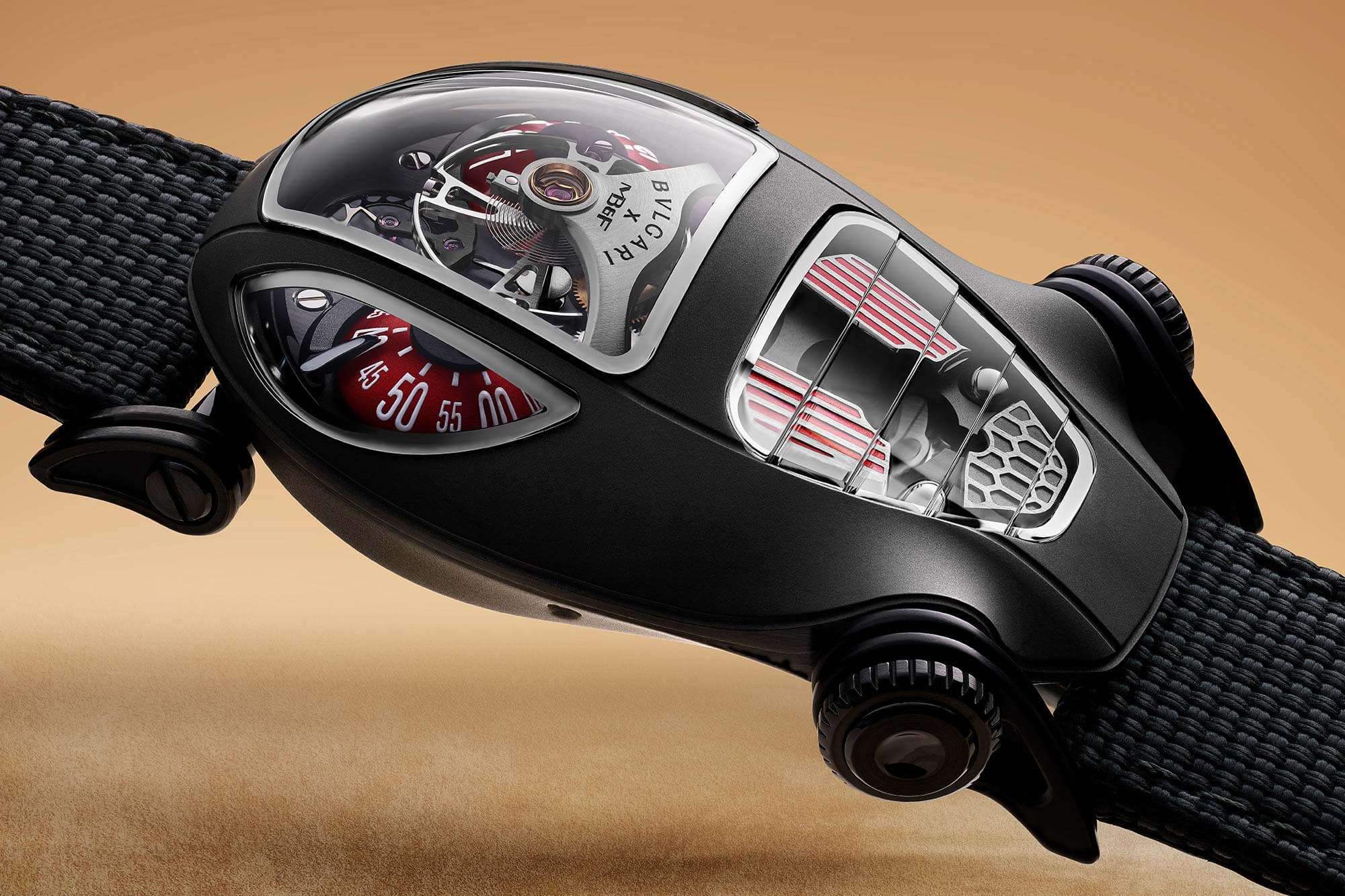
Some of my early opinions (such as a logoed counterbalance on the second hand being the fastest way to give an otherwise good watch cheesy “modified Seiko” vibes) still reflect my current mindset. But many of my previous positions, including those I once passionately believed, have not. And hey, I’m all for it. Evolving as a collector doesn’t mean admitting we were wrong, just that we’ve grown. If I still analyzed value the way I did in my early days of collecting, my journey would have ended with San Martin. Likewise, if I still thought 200 meters of water resistance was necessary to keep a watch safe throughout the day, I’d have missed out on discovering the dress watches that tend to be on my wrist most days lately.
In the spirit of embracing growth, here are a few of my moments of horological whiplash so extreme they turned my longstanding views upside down. If you’ve experienced opinion shifts of your own so unexpected that they made your eBay alerts instantly outdated or challenged your views on the watch community, drop them below!
Movements are the star of the show
Prior to 2019, I had no idea mechanical movements existed outside of Antiques Roadshow. The discovery that these time capsule-esque contraptions were widely available in modern watches was solely responsible for my fall into watch enthusiasm and remained my primary source of fascination for years. With time, this mechanical obsession faded (enough display casebacks showcasing the same NH35s and SW200s will do that), allowing me to recognize that my mechanical preferences had been shielding me not only from an entire world of battery powered watches, but also all the other parts of a watch equally worthy of my attention that I’d been collecting.
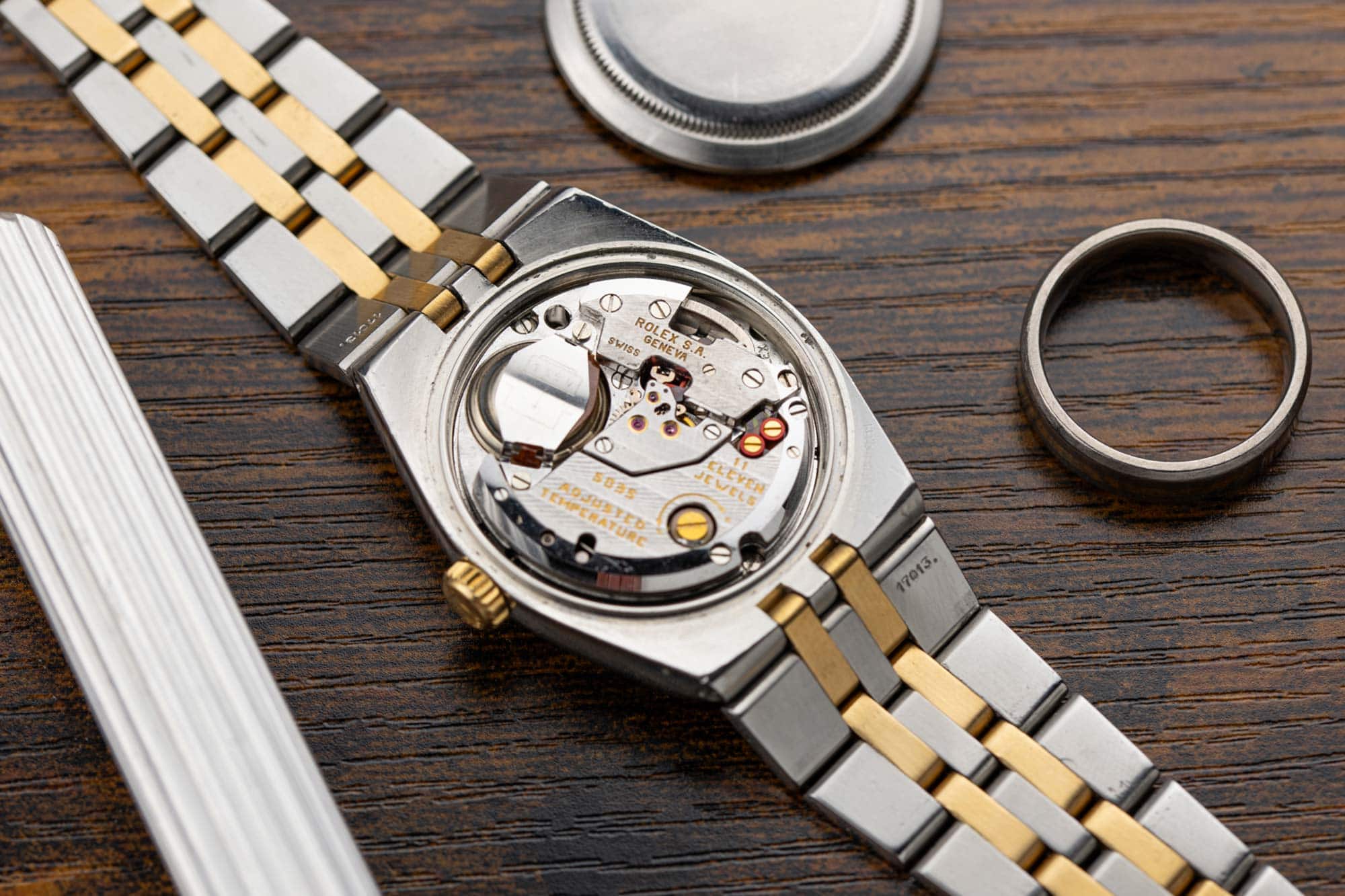
In an unexpected 180, when mechanical movements stopped dazzling me, I started to view movements as simply another component of a watch with a job to do. And because high beat rates and complex complications have never been much of a draw for me, I now find myself actively seeking out quartz watches with inexpensive, off the shelf movements. As a budget conscious collector with a growing appreciation (especially after my movement blinders have been removed) for handmade elements in watchmaking such as cloisonné enamel dials and hand-stitched straps, it’s an awkward spot to be in. After all, when was the last time you saw an artisan dial paired with a $20 movement? For me, the answer is unfortunately (and understandably) never. But would finding this elusive combination check every box on my oddball wishlist? Absolutely.
Unsolicited compliments should exist in the wild
A phrase I hear fellow collectors frequently say is “I get compliments on this one all the time.” Really? Because I’ve spent the last several years rotating through a box of watches, and do you know how many compliments I’ve received outside of designated spaces like Instagram and meetups? One, and it came from a friend that knew I liked watches, so I’m not even sure how much it counts.
But hey, since folks are out there allegedly doling out accolades, I decided to partake. Like most enthusiasts, I was already in the involuntary pastime we refer to wrist spotting, a solo event that involves inconspicuously staring at wrists and identifying watches. It’s an activity that often involves searching for Submariners in a minefield of Invictas, and internally celebrating when finding the real deal. The only missing step was to let the owner of the watch know I had identified their expensive watch, often with other strangers within earshot, and tell them I was quite fond of it.
If reading that last sentence made you cringe as much as I did when I typed it, you can already see where this is going. As it turns out, telling the bartender (who is undoubtedly aware of increasingly prevalent instances of watch theft) “nice Sub” in a crowded room is bound to be met with a cagey “thanks”. And, just because Jason at Mattress Firm is wearing a Formula 1 doesn’t mean he is a watch nerd and wants me changing the subject away from my sleeping positions that are apparently more compatible with a $5,000 mattress than a $1,000 one.
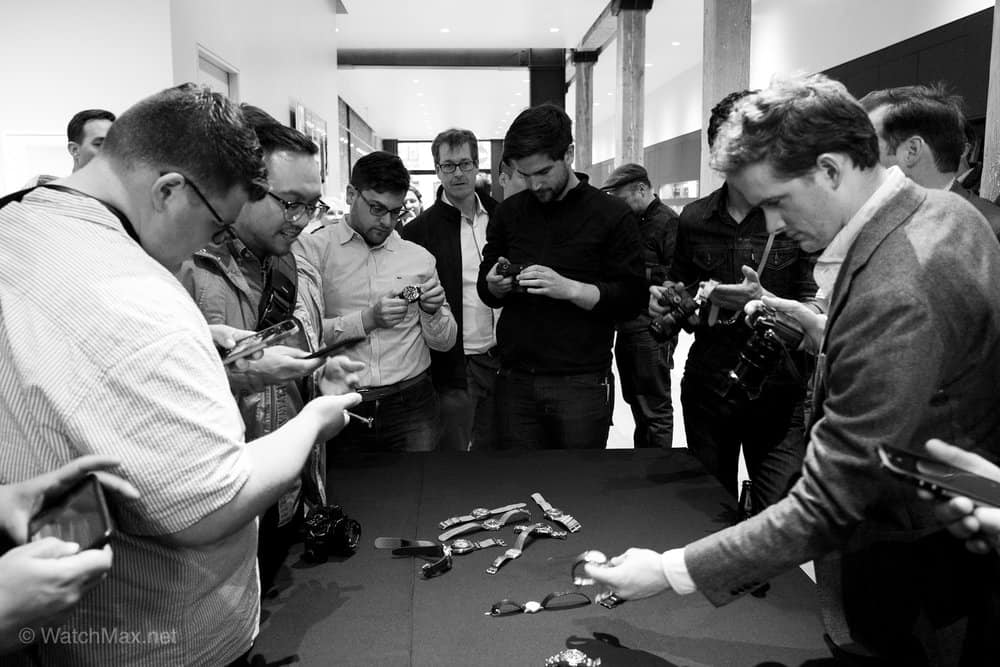
To the watch enthusiasts that claim to regularly receive compliments on their watches, I’m a bit suspicious, but am genuinely happy for you if true. To my fellow un-complimented collectors, your watches are cool. People are probably noticing them, but have better social skills than me and choose not to say anything. And finally, to Jason at Mattress Firm: I’m sorry. I thought the world needed more unsolicited watch compliments, a presumption I now see was incredibly wrong.
Good watches need stand-out features
I’ve reached that age where my kids teach me how to use my phone, and I recently learned you can search your photos by keyword. While the feature feels a bit invasive, I will admit I enjoyed the trip down memory lane personally curated by Skynet after searching “watch”. The early results were wrist shots taken at unflattering angels of my first enthusiast watch, a one-handed Luch. After that, my search showcased watches (many of which I forgot I’d ever owned) with textured dials, bold colors, square cases, and even homemade watches of my own creation with questionable yet undeniably notable designs.
Whether I was aware of it or not, I had fallen into a trap of exclusively collecting flamboyant and attention seeking watches. That all changed when I bought my Louis Erard Heritage, a watch that, now in its second year of being my daily driver, has grabbed my attention over the other watches in my watchbox a few hundred times and counting despite it being about as plain as a watch can be. Unlike the watches in the wristshots our AI overlords had catalogued without my knowledge, nothing about its design is needy or in-your-face.

And honestly, I think that is why it has received more wrist time than any other watch I’ve ever owned. Even without frills to hide behind, it is simply a good watch. Maybe I’m just in my curmudgeon era where I need my kids to show me how phones work and I think flashy designs are too loud, but after experiencing how much joy I can find in wearing a simple dress watch that prioritizes quality over fun, it’s hard to imagine letting a frill pull me in again, and anyone who doesn’t agree with me can get off my lawn.
Watch collectors should have a permanent “type”
It’s human nature to associate our identities with the things we hold dear. We pick our favorite sports teams, and proudly wear jerseys with team colors. We have favorite bands, and endearingly assign names like Parrot Heads and Swifties to ourselves and fellow fans. The same goes for the watch community. While everyone reading this shares a general appreciation for watches, with enough time in the hobby, enthusiasts have a tendency to fall into more specific niches. Think of your local collector’s group. You probably have the Rolex fan boy, the penny pinching homage fanatic, the vintage leaning patina snob, and the microbrand ambassador that always has the latest Miyota powered diver.
Until recently, witnessing the passion and impressive knowledge these specialized collectors possess used to make me enviously wonder when I would fall into my own niche. I thought having a “type” must be the best way to get the most out of this highly personalized hobby, and worried that generalists like me were missing out by just scratching the surface of what watches have to offer.
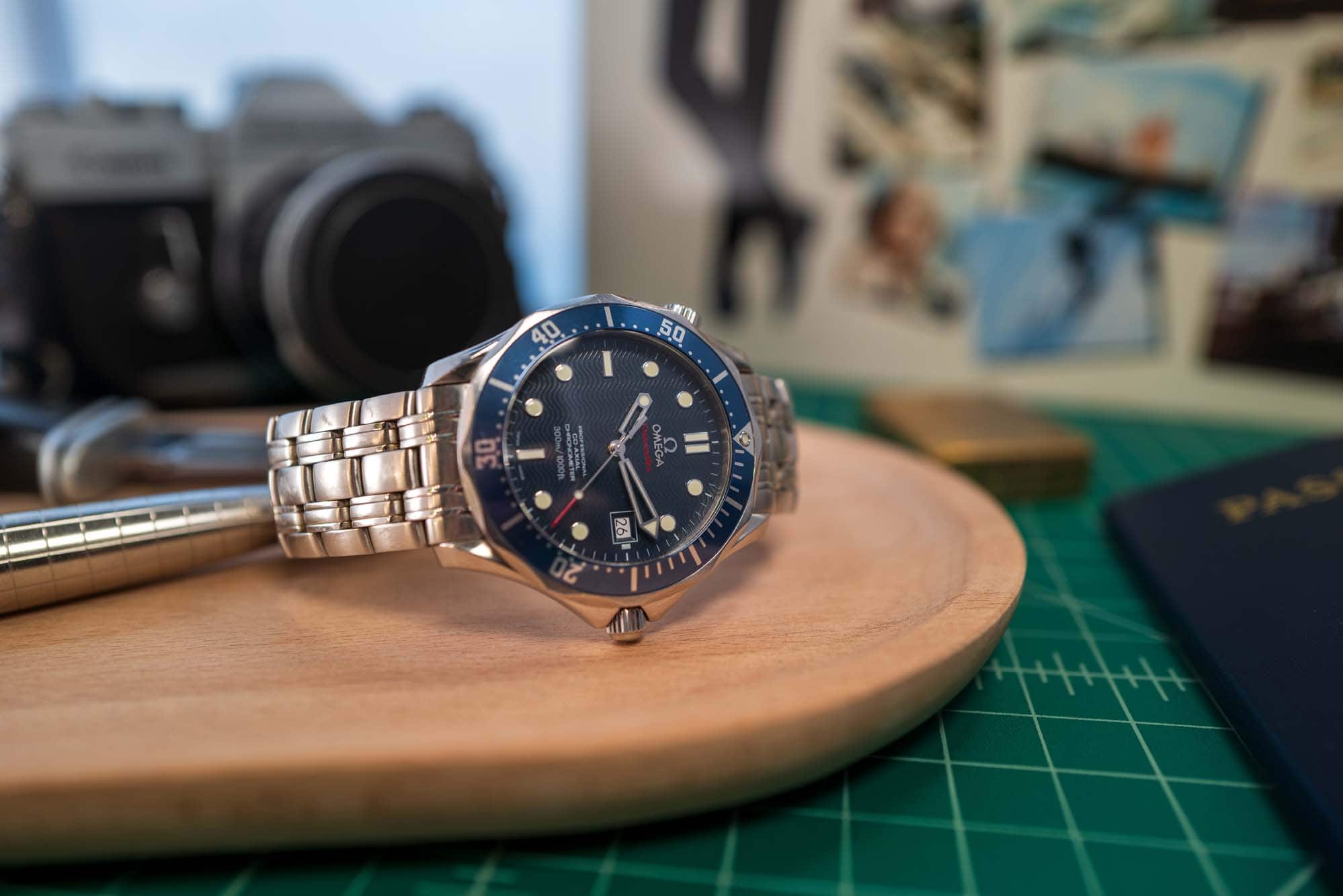
This is, of course, nonsensical thinking that greatly needed a change in direction, something I experienced when I started making an effort to interact more with my fellow collectors who (unlike Jason at Mattress Firm) gladly engage. While my inability to ramble off decades worth of Seamaster reference numbers may preclude me from learning what moniker vintage Omega collectors have assigned themselves (I bet it’s something cool like the Geriatric Sea Dogs), engaging with these specialized enthusiasts has taught me that my years of dabbling without a “type” make me no less of an enthusiast. Quite the contrary, being a generalist allows me to talk shop with every enthusiast that happens to have a specialized path, picking up specialized knowledge myself, and often returning the favor with some tidbits outside of their ultra-focused expertise.
Nathan Schultz
2026-03-16 16:00:00