
War, of course, changed everything. As World War I raged on, trench warfare demanded pocket watches that were effortlessly legible and durable; to keep up, the Waterbury Clock Company took their women’s Midget pocket watch design and molded it into a wristwatch by shrinking the dial and adding lugs with a canvas strap, luminescent numerals, and a crown at 3 o’clock. Before WWI, wristwatches were considered women’s accessories—by the time the war ended, they had fully usurped the pocket watch as the ideal way to carry a timepiece. A the forefront of this innovation, the Waterbury Clock Company would purchase their one-time collaborators in the now-bankrupt Robert H. Ingersoll & Bro. Company for $1.5 million. Still, the post-war recession would prove hard for Waterbury to weather. They struggled in Europe, where customers were used to Ingersoll’s level of quality, and eventually would sell that brand to it’s London board of directors and separate from the Ingersoll name in Europe.
The Great Depression presented both a period of even greater hardship, and a bright opportunity for Waterbury: in 1930, they partnered with Walt Disney to produce Mickey Mouse watches and clocks under the Ingersoll brand name, which they still controlled in the United Statees. These watches would explode in popularity after their presentation to the public market at the 1933 Chicago World’s Fair, fast becoming Waterbury’s salvation. The second World War gave the company even more economic opportunity, and they would assist in the war effort by producing precision defense products in their new Middlebury, Connecticut plant.

At this point you may be wondering when the iconic Timex name comes into this picture. Originally, “Timex” was used only in trial circumstances, on a small shipment of nurse’s watches in 1945. By the 1950s, though, the Waterbury Clock Company had been renamed the United States Time Corporation by shareholder vote, reflecting their lucrative pivot to war-time production. They began focusing on manufacturing inexpensive and durable watches with the same automation and precision-tooling techniques that they’d used to mass-produce fuse timers during WWII, and pioneered a new hard alloy, coined “Armalloy”, which was used to produce longwearing bearings to be used in place of expensive jewels in watch movements. These changes would prove to be successful catalysts for the evolving brand, and they officially debuted the Timex name—a portmanteau of Time magazine and Kleenex chosen to remind consumers of those two massively popular household names—in 1950.

Though not as accurate as Swiss jewel-based movements, the Armalloy bearings drastically reduced the price of the watches, and improved their durability over other “cheap” timepieces. This catapulted Timex into massive success, and along with aggressive marketing campaigns and the purchasing of Germany’s Lacher & Co. AG, otherwise known as the Laco brand, they would incorporate electric watch technology and catchy slogans to sell millions of watches in the States and abroad. By 1962, one out of every three watches old in the U.S. was a Timex, and plants were being built across the world to keep up with production.
Like their Swiss counterparts, American brands were also caught unprepared by the introduction of cheap mechanical watches and digital quartz watches from Japan. What followed was a period of uncertainty as contracts expired, partnerships dissolved, and innovations stalled. Still, Timex pushed onwards, reaching out into other burgeoning industries, like home computing, to try and keep up with Asian brands. While none of these ventures would pan out, they would lead the brand to focus entirely on timepieces by the mid-1980s, a regressive pivot that would turn out in the company’s favor.
By narrowing their focus back on watch production Timex was able to re-enforce a standard of quality and durability that resonated with consumers. Quality control improved, and the introduction of new quartz analog movements with fewer components kept production costs down, and accuracy up. Sports watches like the Ironman Triathlon in 1986, which would become Timex’s most successful watch, and the introduction of their iconic Indiglo backlighting system for the 1992 Christmas shopping season allowed Timex to prosper. That success continued through the mid-late 1990s, with the creation of the Timex Data Link using Microsoft-produced software, and the Timex Expedition brand, which was marketed towards the rugged extreme sports crowd. Timex kept acquiring other brands through the 2000s, and continued to innovate with GPS and other niche-but-useful watch features that would soon become staples of the company’s ever-expanding lineup. Though production was largely moved out of the United States by 2001, Timex continues to be the face of affordable American watches in the 21st century.

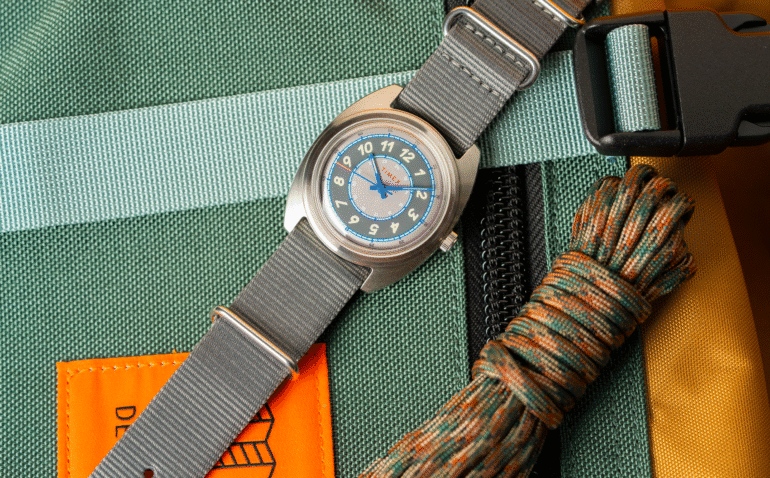
Today, Timex is as relevant as they ever were, though their position in the market has changed considerably. Faced with the encroachment of cheaply mass-produced, no-name watches sold on platforms like Aliexpress and Amazon, the brand has had to push the boundaries of their image and reach out in opposite directions to create both more luxurious pieces that will appeal to the more fashion-conscious modern market, and more budget options for the everyday wearer who “just needs a watch”. Iconic Indiglo watches are still available in many forms, and ever-popular models like the Weekender and Expedition lines continue to sell in the millions. Collectability is at the forefront of the modern Timex approach, and renewed partnerships with Disney, Charles Schultz’s Peanuts, and other pop culture giants allow for a plethora of fun, approachable, and above all affordable collector pieces. Still, more luxury and enthusiast-oriented forays, like the Marlin line keep Timex beloved in the more hardcore horology crowd, and retro-styled reissues like the Q Timex 1972 Time Machine and 1995 Intrepid Reissue call back to the brand’s boom years.

Whether you’re a watch nerd or just someone looking for a cheap and reliable way to tell the time, you probably know Timex. And like many enthusiasts, you’ve probably had a Timex or two in your watch box at some point. That kind of name brand ubiquity is hard to find, and in Timex’s case, hard-earned over more than a century-and-a half of watchmaking. Not many brands maintain relevancy for 170 years—a feat that can’t be overstated for the affordable American timepiece kings.
Windup Watch Shop
2026-03-06 14:00:00