

The Contrôle Officiel Suisse des Chronomètres (COSC, the body responsible for certifying watch movements as Swiss chronometers) has just announced a new chronometry standard that will be rolled out over the course of 2026. The news comes at a time when the COSC has some competition for timekeeping certifications, most notably the METAS certification (which first requires a watch movement to be COSC certified) used by Omega and Tudor, as well as other certifications provided by the brands themselves.
The new COSC certification is being framed as an additional level of certification that will accompany the familiar “Certified Chronometer” tag that is seen on the dials and paperwork of millions (literally) of watches that have been put through the COSC paces over the years. The new “Excellence Chronomenter” certification provides an additional layer of guarantee of reliability that goes beyond simple accuracy. As a refresher, COSC certification certifies the movement is working at an optimal level, not a fully cased watch. To achieve a Certified Chronometer certification, a movement must show average accuracy of -4 to +6 seconds per day over a 15 day period, tested across 5 positions and 3 temperatures.
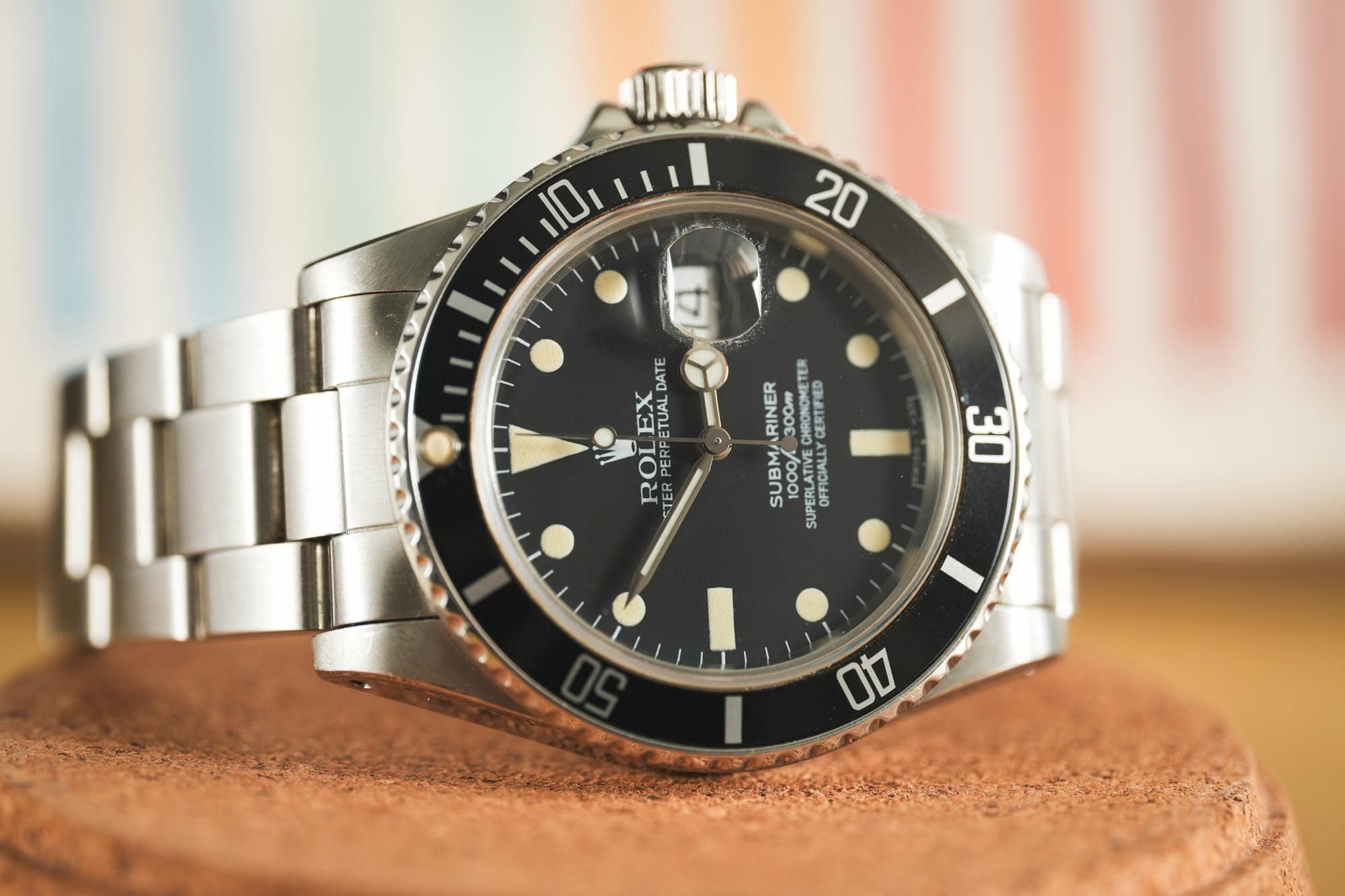
The Excellence Chronometer certification tightens the accuracy threshold from a spread of 10 seconds in total to 6 (-2 to +4 seconds per day). It also adds metrics for magnetic resistance and power reserve verification in fully cased watches. According to the COSC, Excellence Chronometer certification begins with the same 15 days test on a movement, and then return to the manufacturer to be cased. Five additional days of testing follow, using robots to simulate wrist wear for a 24 hour period. Accuracy is then tested again, and the watch must maintain that -2 to +4 second per day range. The watch is then given a magnetic test by being exposed to a 200 Gauss magnetic field. The final step is a verification of the power reserve, to confirm that it falls within the manufacturer’s specifications. The COSC notes that just as with the Certified Chronometer testing, all watches are tested individually – there is no sampling from larger production batches.
If these standards sound somewhat familiar to you, it’s likely because they mimic those used by METAS for several years now. METAS testing, which allows brands to put the “Master Chronometer” designation on dial, is very stringent and specific. The standard is a five second deviation for accuracy (0 to +5 seconds per day, tested across 6 positions), magnetic resistance to 15,000 Gauss, and a requirement to hit these standards with a full power reserve and a power reserve of 33%.
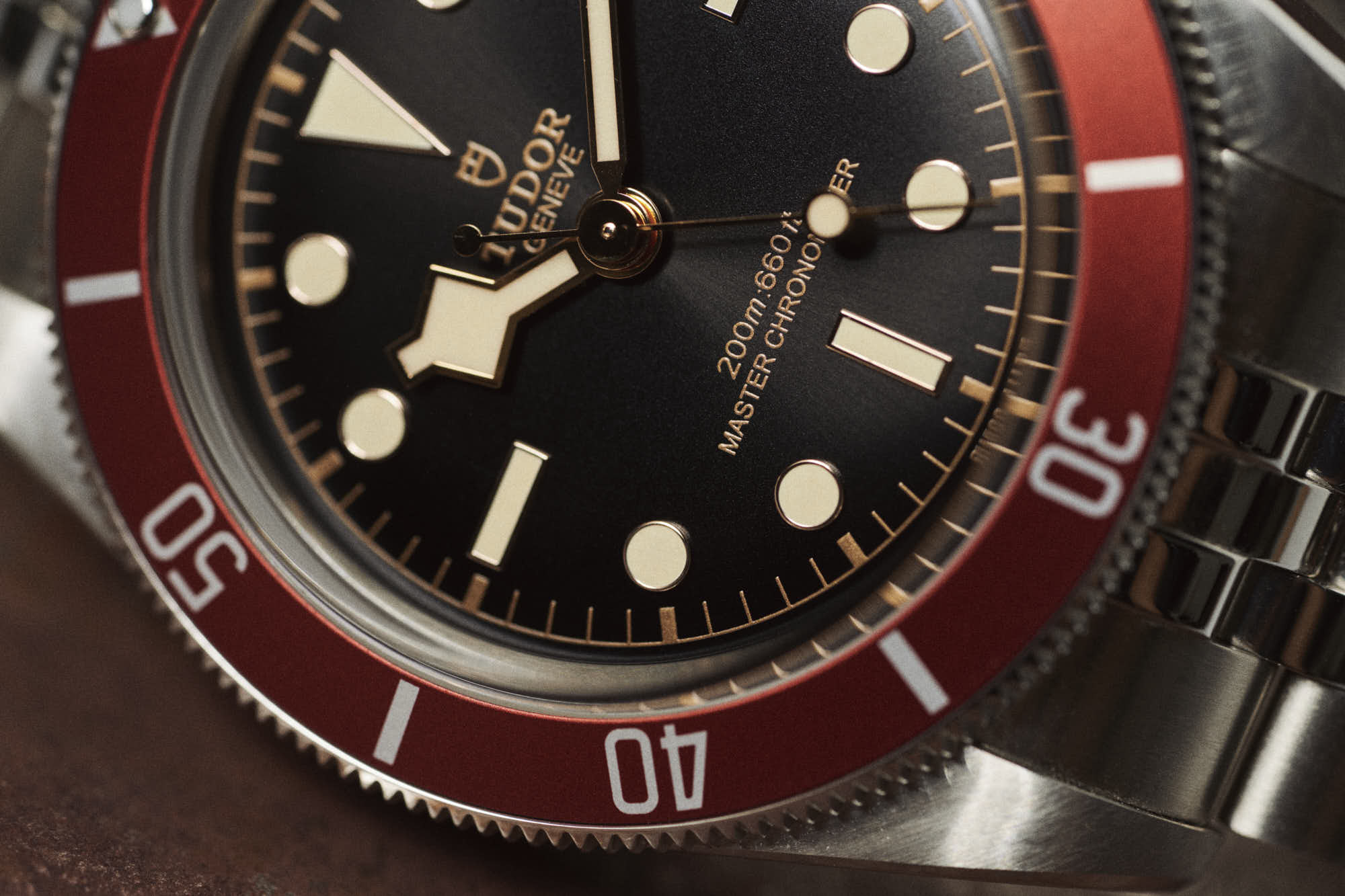
On paper, it would appear that METAS is a tougher test than the new Excellence Chronometer certification, but I have a feeling that in reality, watches with either certification will behave very similarly, which is to say with remarkably predictable precision. In terms of seconds per day deviation, we’re talking about a one second difference, with COSC testing simulating real human movement during its certification. The difference in magnetic resistance testing is significant, but 15,000 Gauss is a very powerful magnetic field that most people simply will not encounter day to day. This is the strength of an MRI machine – a 200 Gauss test should easily protect a watch against the types of magnetic fields we all encounter through our electronic gadgets and other devices.

According to the press release issued by the COSC today, the transition to the new Excellence Chronometer standard is already underway. New technologies were introduced to COSC processes earlier this year to prepare for the standard, and testing equipment is being upgraded. Pilot tests are set to begin in March, and the COSC will have a larger public unveiling of the new procedures at Watches & Wonders in April as part of the LAB exhibition that the show has hosted for several years running. The COSC expects that by October of this year “deployment” will begin, and brands will be able to certify cased watches under the new process.
We’re looking forward to covering this new certification as it rolls out this year, and it will be particularly interesting to see which brands choose to adopt it, the impact on pricing, and how it’s received by collectors, owners, and prospective customers. It certainly feels like an overdue update to the COSC testing practices given the emergence of METAS testing in the recent past, so observing how the watch community navigates another certification option is something we’ll be keeping an eye on.
More information can be found at the COSC website here.
Zach Kazan
2026-02-12 20:00:00