
You can be a fan of Van Gogh while knowing you will never, ever have one of his works hanging on your wall. Can you be a fan of watches while being aware that you can’t afford the objects of your desire? Yes, you can, but only if you can let go of the concept of ownership. That’s not easy, especially when objects that were once within reach slowly but surely disappear from the horizon. Van Gogh’s Starry Night was always beyond possession; an Audemars Piguet Royal Oak “Jumbo” once wasn’t, but it is now for many. The disillusionment caused by unattainable watches is evident in Fratello’s comments section. Maybe we need a massive change in attitude and perspective to keep enjoying watchmaking. After listening to Audemars Piguet CEO Ilaria Resta recently, I feel that inclusive exclusive watchmaking could keep a discontented audience from leaving the watchmaking theater. But what is seemingly paradoxical, inclusive yet exclusive watchmaking?
Not too long ago, I asked, “Are you into watches or watchmaking?” That story distinguished a group of people who buy and wear watches because they want to have something on their wrists with the “right” logo on the dial. You can wear a watch for different reasons. Indeed, some people wear a watch from a certain brand to instantly show status, fit in, or boost their confidence. You can also wear a watch out of love for its design, its movement, or admiration for the brand’s history. If you’re in the first category, you probably won’t venture down the watch rabbit hole. It’s all about the watch as a symbol of success. It’s a miniature advertisement and a statement.

Audemars Piguet Royal Oak Concept GMT
Inclusive exclusive watchmaking — Culture and historical context and value
But if the watch on your wrist sits there for reasons beyond fitting in, you might be interested in books about watchmakers. You read watch-related media, both offline and online, leave thoughtful remarks in the comments section, read books, try to understand exactly what a tourbillon does, and are keen to learn about a brand’s history. Whereas the first category of people is all about ownership, the second wants to “own” the story, watches, watchmakers, and watchmaking. Of course, they enjoy wearing their carefully selected watches, but it’s not all about ownership; it goes beyond that. Let’s put it this way: you can appreciate and admire a Royal Oak while wearing a PRX.


This brings us to the recently held AP Social Club, a press event during which Audemars Piguet showed its 2026 novelties. In her opening speech, AP CEO Ilaria Resta talked about the historical and cultural value of watchmaking. The world of watchmaking should not be exclusive or secretive. Instead, it should present itself in a way that attracts a crowd. To ensure a bright future for high-end watchmaking, people need to understand its historical position, cultural relevance, specialized craftsmanship, and more.
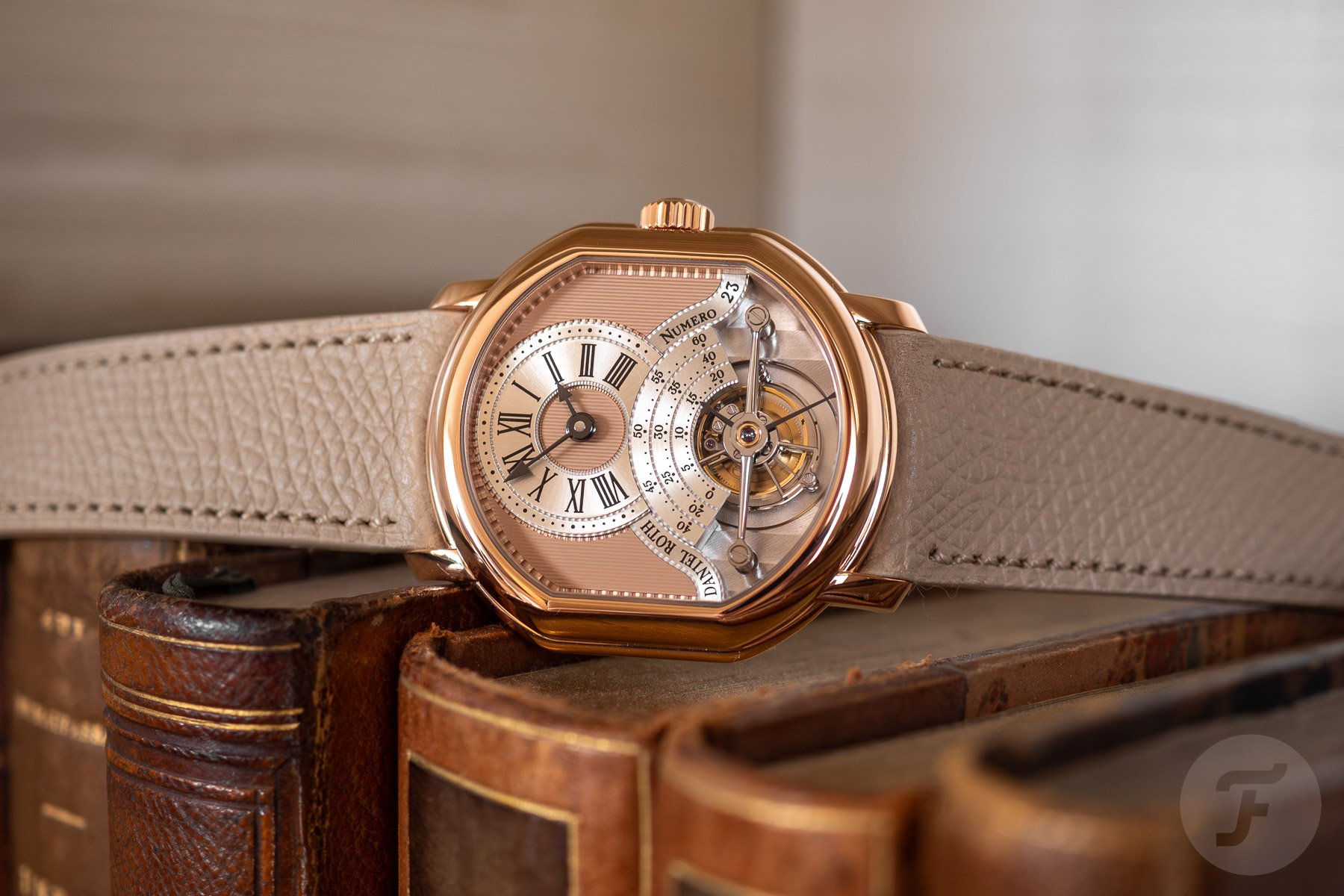
Daniel Roth Tourbillon Rose Gold
Swiss heritage and history
What Resta advocates is watchmaking as a national Swiss treasure, a unique industry of great historical, cultural, and social value. Bringing it to the attention of young Swiss people can do more than create interest; it can build a workforce too. There is a constant need for watchmakers, and recruiting them involves more than offering a good salary. Watchmaking also needs to be perceived as interesting and part of a greater good, guaranteeing the continuation of Swiss history and heritage.
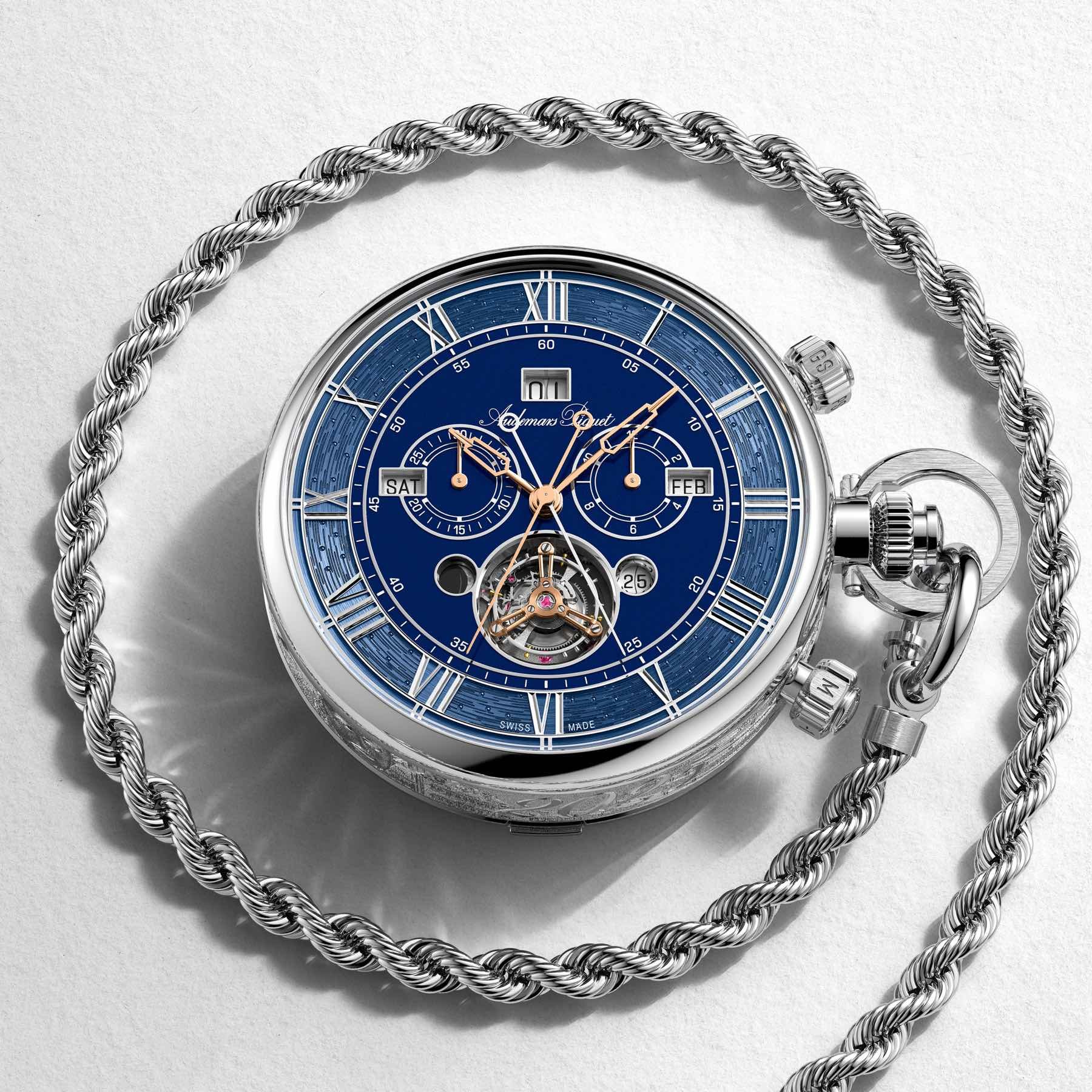
Audemars Piguet 150 Heritage pocket watch
Numbers also tell a story
But what about the public? How can watchmaking be inclusive when prices are exclusive? It’s easy for watch enthusiasts to admire the complicated Audemars Piguet 150 Heritage pocket watch from a distance, but what about the three new Royal Oak Offshore Diver variations in steel? In 2010, when this luxury dive watch debuted as the reference 15703ST, it cost €13,800. The three latest iterations have a price tag of €30,000, equaling a 117.39% increase. Due to inflation, €13,800 in 2010 money is worth approximately €19,770 today. This means you now need roughly 43.26% more money to buy the same goods and services as in 2010, due to average inflation of over 2.27% per year.
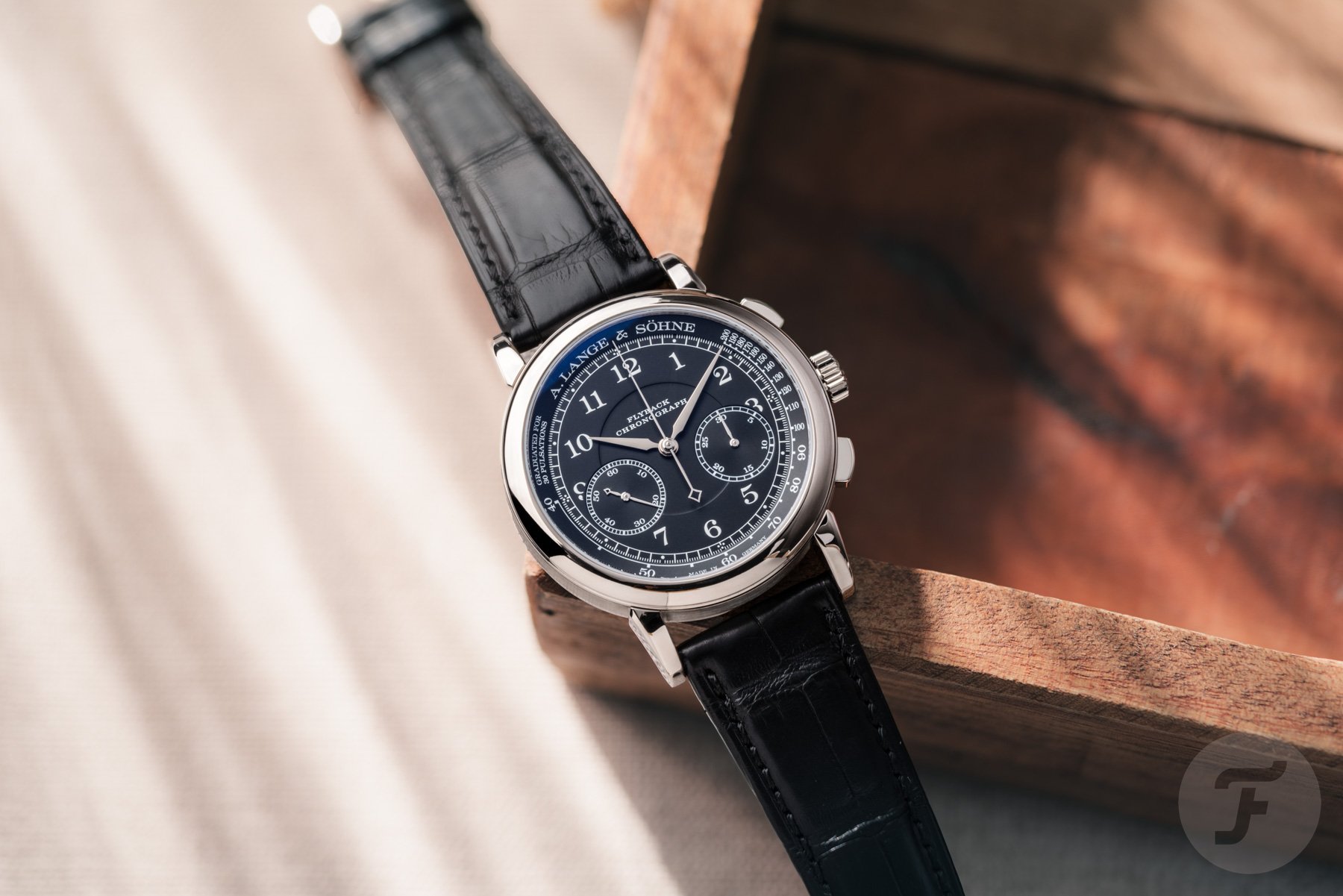
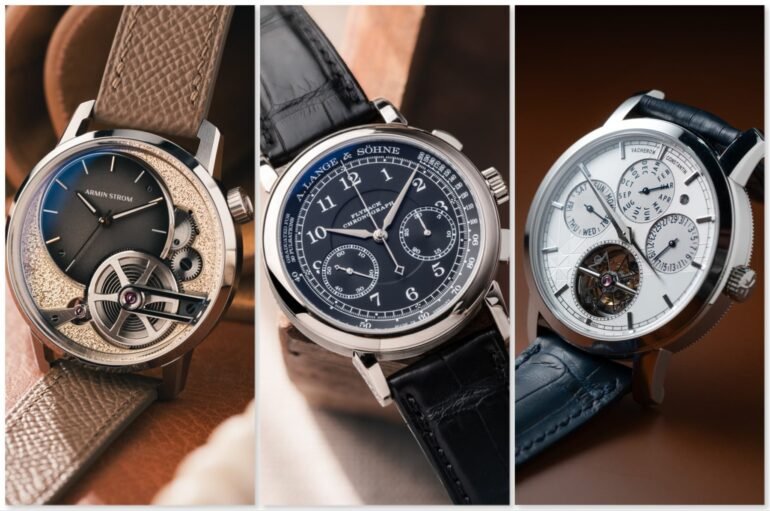
A. Lange & Söhne 1815 Chronograph
The average net income in the Netherlands, Fratello’s home country, has climbed sharply since 2010, having particularly accelerated between 2013 and 2023. But the headline gains mask a harsher reality: while wages increased by 32.8% over this period, inflation rose even faster, at 37.7%. This has eroded purchasing power and pushed real wages down in recent years. In other words, for some, the wish of owning a Royal Oak Offshore diver is slowly disappearing in the deep.
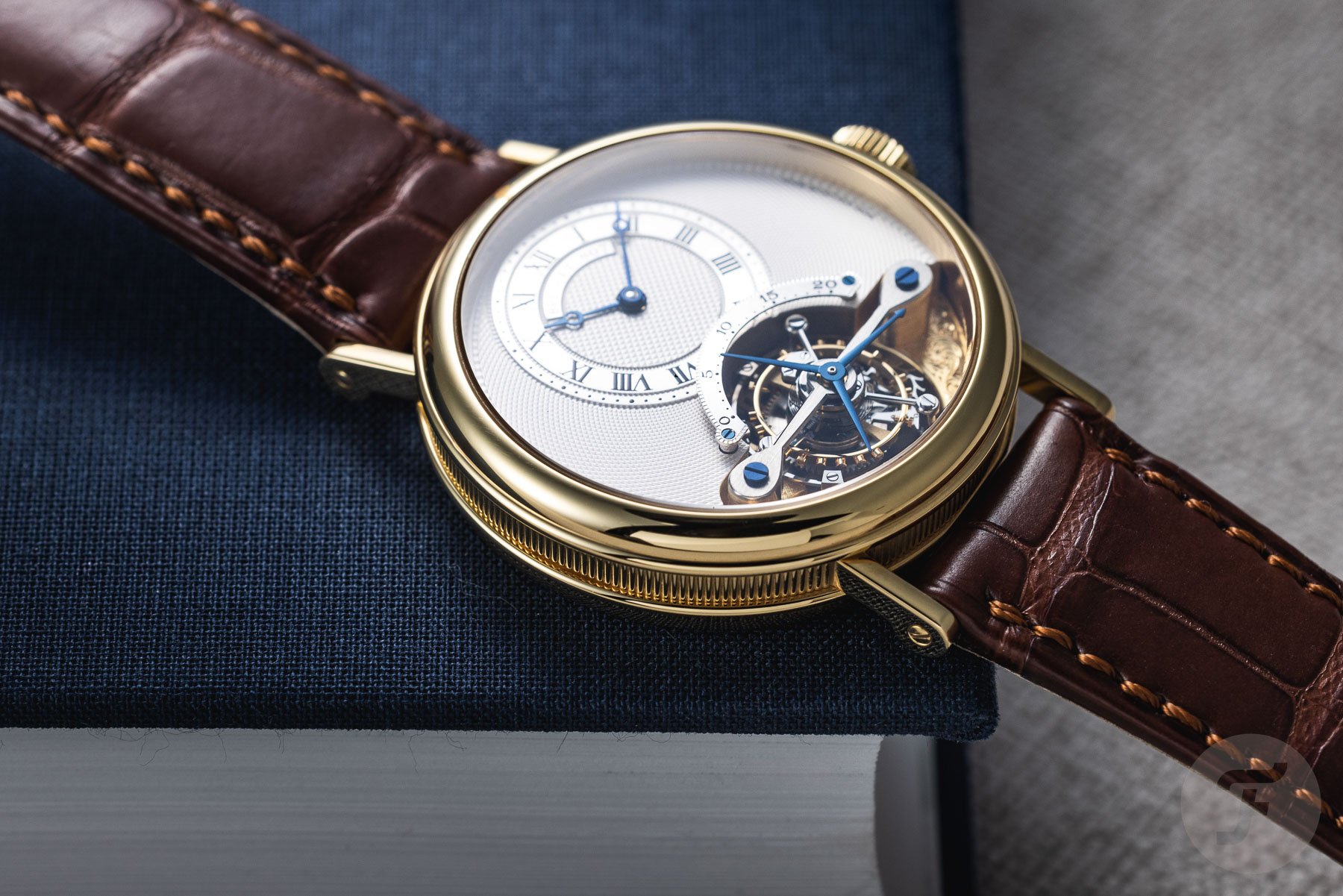
Breguet Classique Tourbillon 3357
Changing perspective
It’s much easier to admire grand complications from afar. Most of these creations were almost always the stuff of dreams that don’t necessarily have to come true. Now it looks like the time has come for the uncomplicated creations from several brands to reach “museum status.” But what if you’re not into looking at stuff in a museum and seeing watchmaking as a form of art? Maybe the Formula 1 angle will work for you if you want to enjoy high-end watchmaking in the future. Millions of people enjoy Formula 1 while fully realizing they will never drive an F1 car. Still, they are passionate about the pinnacle of motorsport for various reasons, including the spectacle, the technology, the drivers, and so on. F1 fans are devoted, passionate, and loyal. They watch the race and the analysis, and they buy the merch. Without the fans, the sport is doomed.


Watchmaking also needs supporters. Yes, people need to buy the products, but they also need to become integral parts of the watchmaking world to make it sustainable. Only a public that understands what happens underneath the dial, is fascinated by it, and is eager to learn what else is mechanically possible in such a tiny space can bring stability. The high-horology ecosystem needs more than wealthy buyers of high-end products and those who only look at the dial to see if the brand’s name is en vogue. After all, trends come and go, but watchmaking, paradoxically, should be a timeless world.
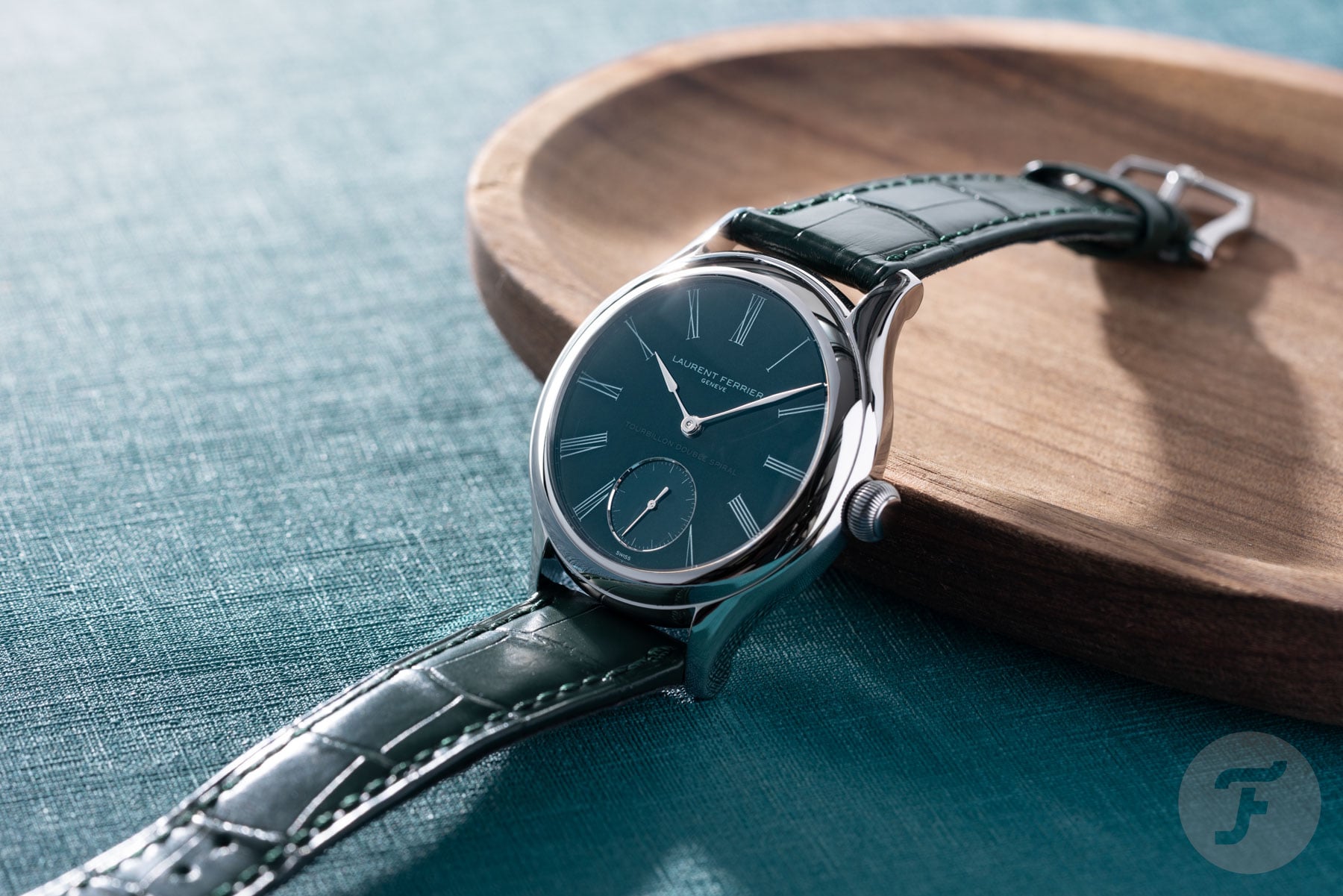
Laurent Ferrier Classic Tourbillon Teal – Série Atelier IV
Creating ambassadors
There needs to be a change from desire to admiration, and that can only come from education. A knowledgeable audience will appreciate the Powermatic 80 in the PRX and admire the innovative perpetual calendar movement inside the latest Royal Oak Selfwinding Perpetual Calendar. They will be ambassadors of watchmaking.


But where can we educate those ambassadors? Many brands have already opened their ateliers, but the visitors that are allowed into the inner sanctum are already part of the watchmaking community: valued collectors and high-potential clients.

Czapek Antarctique Rattrapante R.U.R.
There are more initiatives, though. Recently, Fondation de la Haute Horlogerie (FHH) celebrated its 20th anniversary. As I wrote in an article on Fratello, the non-profit organization wants to bring watchmaking to a new audience. Since its inception, the FHH has been the driving force behind watchmaking events and different educational programs. These programs, such as Watches and Culture, the FHH Forum, and the FHH Academy, have trained over 40,000 people and issued more than 15,000 student certificates. Now, the FHH reaches out to a new group of watch consumers under the motto “Watchmaking Knowledge For All.”
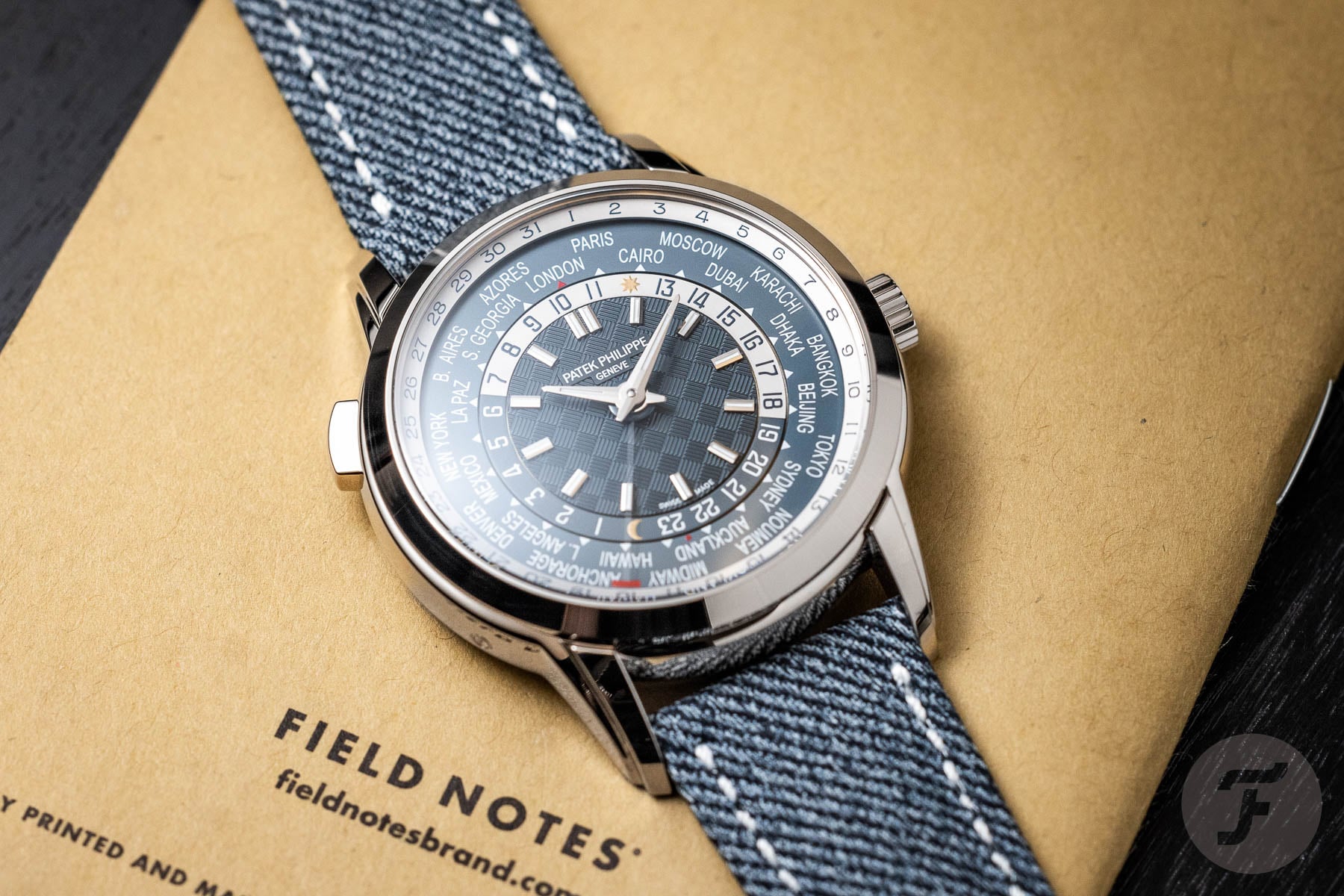
Patek Philippe World Time With Date 5330G-001


The FHH’s strategy announced during the 20th-anniversary event aims to “bring the story of watchmaking to vibrant new audiences beyond the traditional watch industry through a wave of engaging initiatives and strategic partnerships, all designed to inspire the next generation of watchmakers and enthusiasts.” The organization’s HQ is at the Pont de la Machine in the center of Geneva, and it includes a public exhibition space.
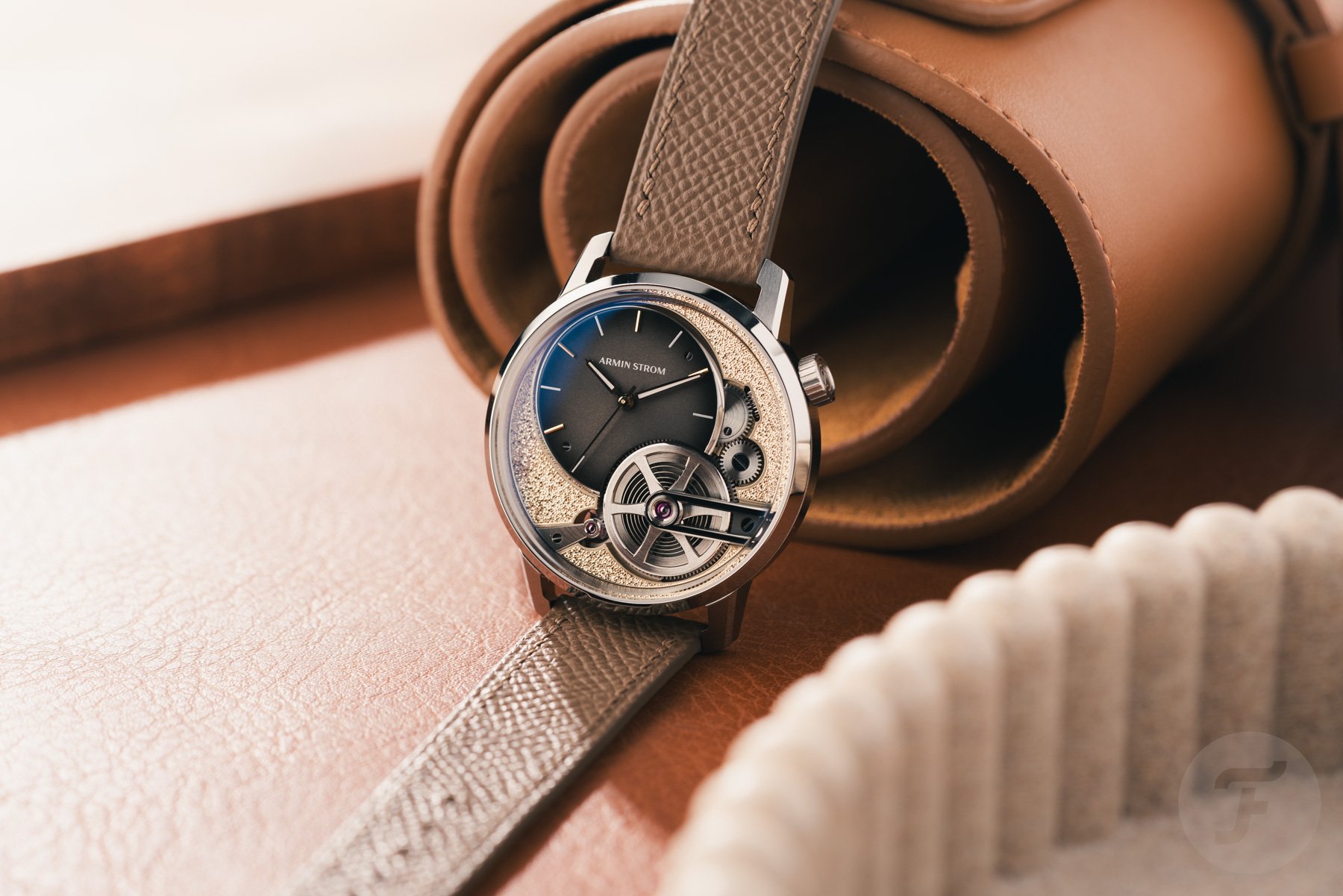
Armin Strom Tribute 2 Aurum
Educating and inspiring
Another initiative to open the world of mechanical, luxury watchmaking to the public is the La Maison des Arts & de la Culture Horlogère (MACH) project. MACH is neither strictly a museum nor an exhibition center; it is the best of both, and its doors are set to open in a landmark building in the heart of Geneva next year. MACH will educate and raise awareness about watchmaking on four floors, each measuring 240 square meters. The cultural watchmaking center has six key objectives. Highlighting the full breadth of horological heritage through pieces from the Musée d’Art et d’Histoire de Genève (MAH), other museums, and private collections is one. Another interesting goal is the wish to inspire vocations among younger generations. Also, the foundation wants to strengthen Geneva’s cultural offering for residents and tourists.


With brands, the FHH, a cultural watchmaking center, there is plenty of initiative to deepen the world of watches and go beneath the dial where the magic happens, to enchant, inspire, and recruit either as an “ambassador” or as part of the workforce. The industry is now fully aware that its future depends on people knowing what a watch is all about. Knowledge of the watch has value. For instance, it explains why it has a certain price. And that explanation makes people willing to pay the price for it.
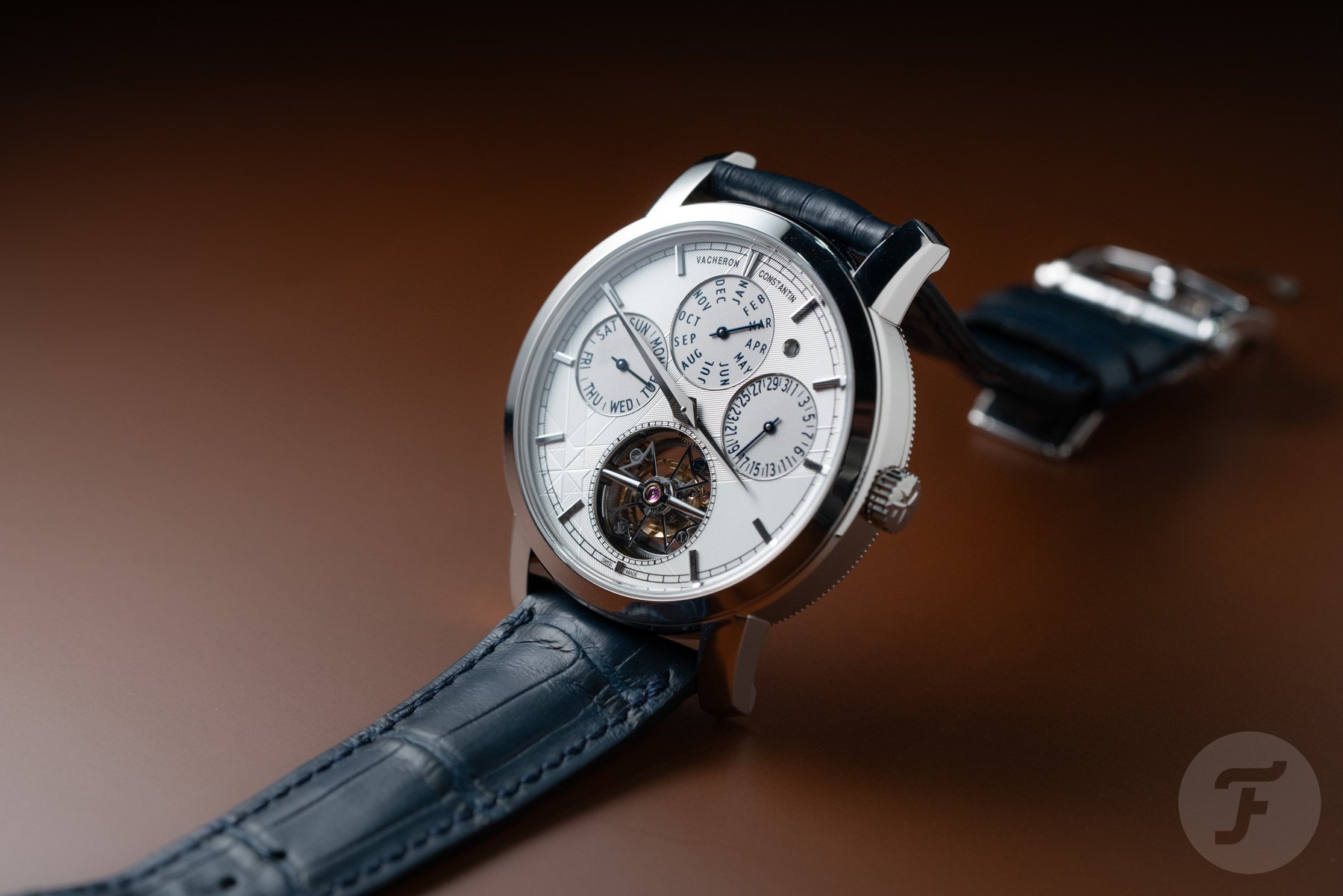
Vacheron Constantin Traditionnelle Tourbillon Perpetual Calendar


Are you ready to change your mindset about watches? Are you willing to trade in desire for admiration and perceive watches as objects of cultural and historical reference, enjoy reading about innovative movements instead of seeing them in action on the wrist, and visit places of education as a student instead of flagship boutiques as a client? Please let me know in the comments section below.
Lex Stolk
2026-02-12 06:00:00