
:max_bytes(150000):strip_icc():format(jpeg)/Mango-Leaf-Tea-How-This-Traditional-Drink-Helps-Boost-Brain-Function-FT-DGTL1225-2089a0c2a27b449a8c3379d450126e30.jpg)
- Mango leaf tea is gaining attention for its antioxidant-rich plant compounds, which have long been used in traditional medicine to support metabolic, inflammatory, and cognitive health.
- Emerging research shows that mango leaf compounds may help support mental clarity, enhance processing speed, and reduce tension and inflammation, offering potential cognitive benefits.
- Because mango leaf tea is naturally caffeine-free and subtly sweet, it’s an easy addition to an afternoon or evening routine.
Mangoes are known for their antioxidant, anti-inflammatory, and anti-cancer properties, but there’s more to this tropical fruit than just its juicy pulp. Believe it or not, the leaves of mango trees are also edible and offer their own slew of health perks.
Mango leaves, primarily in the form of mango leaf tea, have been used for centuries in traditional medicine across India and Southeast Asia, says Samantha Peterson, MS, RD, a registered dietitian and cofounder of Simply Wellness. “Mango leaf tea is a great example of ‘ancient wisdom meets modern science’ because it’s a low-risk, antioxidant-rich ritual that can easily fit into a mindful wellness routine, especially for anyone focused on brain longevity and stress resilience.”
In fact, recent research published in Pharmaceuticals found that mango leaf extract may support cognitive function by being associated with reduced tension, depression, and confusion, while simultaneously enhancing mental clarity, processing speed, and overall emotional well-being for at least five hours after consumption. However, more research is still necessary, as earlier studies concluded that mango leaf extract had minimal to no significant effect on cognitive performance.
It’s also important to note that most studies primarily look at mango leaf extract in supplement form, which is a highly concentrated and potent version of mango leaf, says Maddie Pasquariello, MS, RD, a registered dietitian and founder of Nutrition With Maddie. “Almost no one is actually consuming it in this dosage or format if you’re simply drinking a cup of mango leaf tea, so whenever evidence is this conflicting or the pool of research is this small, it’s best to pause before attributing too much weight to it,” she explains.
That said, mango leaf tea may have some potential benefits for cognitive function. Here’s what to know.
What is mango leaf tea?
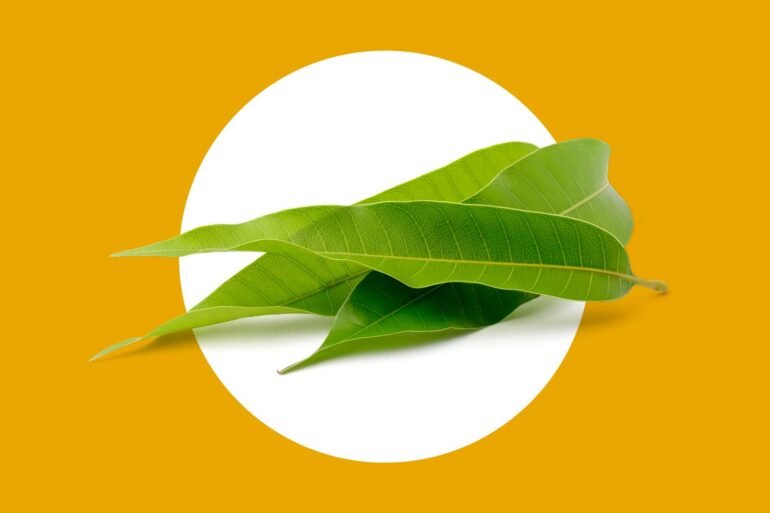
Mango leaf tea is brewed from the tender, glossy leaves of the mango tree, says Peterson. “While the fruit usually steals the spotlight, mango leaves are quietly packed with powerful plant compounds, like mangiferin, flavonoids, and phenolic acids, that have been used in Ayurvedic and traditional medicine for centuries,” she explains. “When steeped, they create a subtly sweet, earthy tea that’s starting to make waves in the wellness world, especially for its potential benefits [for] metabolism, inflammation, and brain health.”
And yes, mango leaves are different from the fruit itself. “The fruit is rich in vitamin C and carotenoids, while the leaves are concentrated in polyphenols like mangiferin that aren’t found in significant amounts in the fruit,” Peterson explains. “Mango fruit nourishes the body, while mango leaves support deeper cellular and cognitive resilience.”
How exactly do mango leaves support cognitive function?
Research from this past summer suggests that compounds in mango leaves may help your brain work more efficiently by protecting nerve cells and improving how they communicate, says Peterson. “Think of mango leaves like a little ‘brain cleanup crew’ because their compounds help reduce inflammation and support healthy blood flow, both of which are key for sharper focus, better learning, and long-term memory.”
That said, keep in mind there is no substantial evidence to support that consuming mango leaf tea in isolation will boost cognitive function in the short or long term, Pasquariello says. “It’s important to be wary of claims that any food in isolation will improve cognitive health, so while it’s great to consume more antioxidant-rich foods for brain health, the overall picture of your diet and health habits is most important for supporting cognitive function.”
To get more into the nitty-gritty, here’s a breakdown of the exact compounds and mechanisms at play:
Mangiferin
The star compound is mangiferin — a powerhouse antioxidant found mainly in mango leaves themselves, with only trace amounts in the actual fruit. “Mangiferin is a true multitasker because it helps neutralize free radicals, support balanced blood sugar, and boost healthy circulation throughout the body and brain,” Peterson says. “Together, these effects help calm inflammation and oxidative stress system-wide, which means less wear and tear on your cells, better energy metabolism, and stronger protection for your neurons.”
Polyphenols
Mango leaves are rich in polyphenols (plant compounds) known for their antioxidant and anti-inflammatory effects, which help the body neutralize free radicals and fight oxidative stress linked to aging, cellular damage, and neurodegenerative disease, Pasquariello says. Plus, because polyphenols combat and regulate inflammation, they’re also known to enhance the growth of neural pathways in the brain involved with learning and memory, she adds. After all, research suggests that inflammation and oxidative stress are major factors in cognitive decline.
Flavonoids
Mango leaves contain a variety of potent flavonoids (plant pigments), which may reduce brain inflammation, protect against cell damage, and enhance cognitive functions like processing speed and mental clarity, Peterson says. Studies support this, finding that a flavonoid-rich diet is linked to lower odds of cognitive decline and a decreased risk of neurodegenerative disease like Alzheimer’s and dementia.
How to reap the benefits of mango leaves
Most people enjoy mango leaf tea made from either dried or fresh mango leaves steeped in hot water, but it’s also available as a powder, capsule, or liquid extract in the supplement world, Peterson says. However, it’s important to note that supplements are not regulated by the Food and Drug Administration (FDA) and therefore do not undergo the same rigorous safety and efficacy studies before approval, so Pasquariello says you’re better off opting for mango leaf tea unless recommended otherwise by a doctor. Just remember that the tea may not be as potent as mango leaf in supplement form.
There’s no standardized recommendation for how many mango leaves to consume, but if you enjoy it, Peterson recommends one cup of tea per day, using one to two teaspoons of dried mango leaves per cup. When you drink it is up to you, she adds, but given that it’s naturally caffeine-free, it’s lovely in the afternoon or evening when you want to unwind without disrupting sleep.
Mango leaf tea is generally well-tolerated and safe for most people, but those with mango allergies should avoid it entirely. High doses of mangiferin can also influence blood sugar and circulation, so anyone taking diabetes or blood-pressure medications should check with their healthcare provider before making it a daily habit, Peterson adds.
Finally, be mindful that many mango teas on the market, while delicious, aren’t actually made with mango leaf — they’re commonly black or herbal tea combined with mango flavor — so it’s always best to read the ingredient list and go for organic, single-ingredient blends without added sugar or flavoring, Pasquariello says. As for where to shop, you can typically find pure mango leaf tea at specialty tea houses, international markets, or reputable online retailers.
Reviewed by
Lauren Manaker MS, RDN, LD, CLEC: Lauren is an award-winning registered dietitian and three-time book author, with more than 22 years in the field.
Andi Breitowich
2025-12-04 10:01:00